
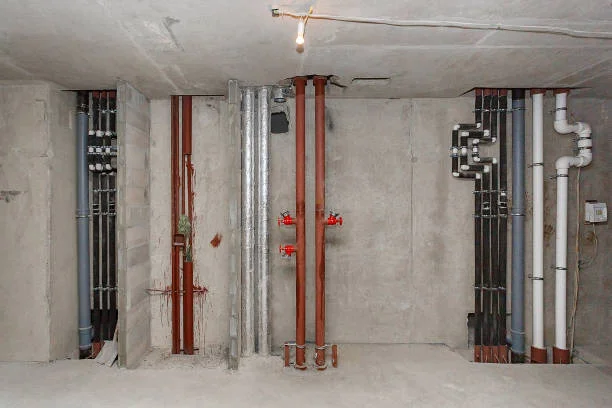
Walk through any villa and attention naturally goes to the “wow” stuff first. Big windows. Open living spaces. Designer flooring. Fancy lights. It all looks like the dream. But here’s the quiet truth about premium housing: the parts that matter most are often the ones you can’t see during a quick visit.
Electrical lines behind the walls. Pipes under the flooring. Drainage routes hidden under the landscaping. These systems decide whether daily life feels smooth or constantly interrupted.
This blog breaks down what buyers should know about electrical and plumbing high quality in villas, and how to spot the real standard beyond surface finishes.
Why These Standards Matter More Than People Realise
A villa can look perfect and still be a problem home.
Poor wiring doesn’t show on day one. Neither do low-quality pipes. These issues surface slowly. First it’s a plug point that sparks. Then a bathroom that smells odd. Then a ceiling patch that looks suspicious after a shower upstairs. Suddenly, the “dream home” starts turning into a maintenance routine.
That’s why electrical and plumbing standards matter so much. Good standards don’t feel exciting. They feel invisible. Everything works. Water flows consistently. Switchboards don’t overload. And nobody has to think twice before turning on the geyser and the microwave at the same time.
In simple terms, good standards reduce stress. And long-term, they protect money.
Electrical Planning That Matches Real Villa Living
Villas demand different electrical planning than apartments. The space is larger, the usage is heavier, and the lifestyle is more equipment-driven.
Consider what villas commonly include: multiple air conditioners, geysers, refrigerators, ovens, pumps, washing machines, maybe a home office setup, maybe even EV charging. It adds up fast.
Good electrical planning starts with proper load calculation and a clear distribution plan across floors. Not just “enough points,” but points placed where people actually need them.
Look for:
- Clear circuit separation for high-load appliances
- Labelled distribution board with proper breakers
- Adequate plug points in living areas, bedrooms, and balconies
- Provisions for inverter or generator backup
A basic rule: if extension cords are being used in a newly built villa, something was missed.
Wiring Quality Is Safety, Not a Luxury Add-On
People often assume wiring is wiring. It’s not.
In strong villas, wiring is built around safety first. That means branded copper wiring, correct gauge selection, proper conduit routing, and smart segregation. Power and data lines shouldn’t interfere. Wires shouldn’t be cramped into tight conduits. Junctions should be clean.
Just as important are the protection systems. Villas should have:
- RCCB or ELCB protection (prevents shock risk)
- MCBs for overload protection
- Proper earthing across the house
These aren’t “features.” They’re non-negotiable. Especially in premium housing, where appliances and usage patterns are heavier by default.
Plumbing Isn’t Just Water Flow. It’s Comfort.
Plumbing is where many villas quietly fail.
Not in looks, but in performance. A bathroom may have expensive fittings, but if pressure is weak or inconsistent, the luxury doesn’t feel like luxury anymore. It feels like compromise.
Good plumbing design ensures steady pressure across floors and multiple bathrooms. It avoids air locks and noisy pipes. It provides accessible shut-off valves. It handles usage peaks without drama.
This is where buyers should pay attention to plumbing standards instead of only fixtures. Because fittings can be replaced. Bad plumbing routing cannot be fixed easily without breaking walls.
During a visit, check:
- Tap pressure upstairs and downstairs
- Speed of drainage in bathrooms
- Whether there’s any gurgling sound from pipes
- If shut-off valves are accessible and clearly placed
These small checks reveal a lot.
Pipe Quality and Leak Prevention Are the Real Differentiators
Leaks don’t always show up as water on the floor. Sometimes they show up as paint bubbles. Sometimes as a mild smell. Sometimes as a patch of dampness that keeps returning.
Premium villas usually use durable pipe systems like CPVC or UPVC depending on usage. Connections are sealed properly, and pressure testing is performed before handover.
Good plumbing work also includes:
- Proper waterproofing in wet areas
- Correct pipe slopes for drainage
- Sealing in concealed pipe areas
- Access points for maintenance
Better plumbing standards are not just about “no leak today.” They’re about “no leak after five monsoons.”
Drainage and Sewage Are Where Quality Shows Up
If drainage isn’t right, residents will know quickly. And nobody likes that kind of surprise.
Slow drains lead to stagnant water. Bad venting leads to smell. Poor slopes lead to clogging. These issues can ruin daily comfort, no matter how premium the home looks.
Villas should have proper venting, clean-out points, and designed sewer connections to community systems. In well-managed projects, treated water is reused for landscaping and non-drinking usage, reducing load on freshwater sources.
This isn’t just about hygiene. It affects the entire living experience, especially in villa communities designed for long-term occupancy and even villa for buying are for rentals, where maintenance issues can become frequent tenant complaints.
The Small Provisions That Quietly Show Class
Some standards don’t scream “premium,” but they make life easier.
Well-planned villas often include:
- Separate plumbing lines for potable and non-potable water
- Outdoor taps are placed logically for the garden and cleaning
- Dedicated points for water purifier and washing machine
- Extra electrical points for future use
- Provision for EV charging or solar compatibility
These are small, thoughtful touches. They’re often missing in rushed builds. But they matter a lot over time, especially if the villa is also considered for villa rentals later.
Questions Buyers Should Actually Ask
Buyers often ask about flooring brands and elevation designs. Fair. But ask these too:
- What wiring brand and gauge is used?
- Is RCCB or ELCB installed?
- What type of piping is used, and is it pressure-tested?
- Are plumbing standards documented or specified?
- How is water supply managed in peak summer?
- What is the maintenance approach for leaks or electrical faults?
A builder confident in quality will answer clearly. Vague answers usually mean vague planning.
Why These Systems Matter for Long-Term Value and Rentals
Even buyers who plan to live in a villa should think long-term. Because life changes.
Sometimes the villa becomes a future upgrade. Sometimes it becomes an investment. Sometimes it turns into villa rentals to generate income. And tenants are very sensitive to plumbing and electrical issues. One leak can become a reason to move out. One overloaded circuit can become repeated complaints.
That’s why strong electrical systems and proper plumbing standards make a villa more than comfortable. They make it reliable. Which makes it valuable.
Also, homes built to better standards typically require fewer repairs, fewer disruptions, and lower maintenance stress. That’s a major advantage for villa rentals and resale.
Conclusion
A villa’s interior may impress instantly, but the systems inside it decide what life feels like later. Especially in premium housing, where expectations are naturally higher and daily usage is heavier.
Electrical planning ensures safety and convenience. High-grade wiring and protective systems reduce long-term risk. Strong plumbing standards keep pressure consistent, reduce leakage, and protect the structure from hidden water damage.
For buyers, these standards are worth checking closely. Because if the plan includes long-term living or even villa rentals, the best investment isn’t always the prettiest showroom. It’s the home that works quietly, reliably, and comfortably for years. That’s what real premium housing should feel like.