
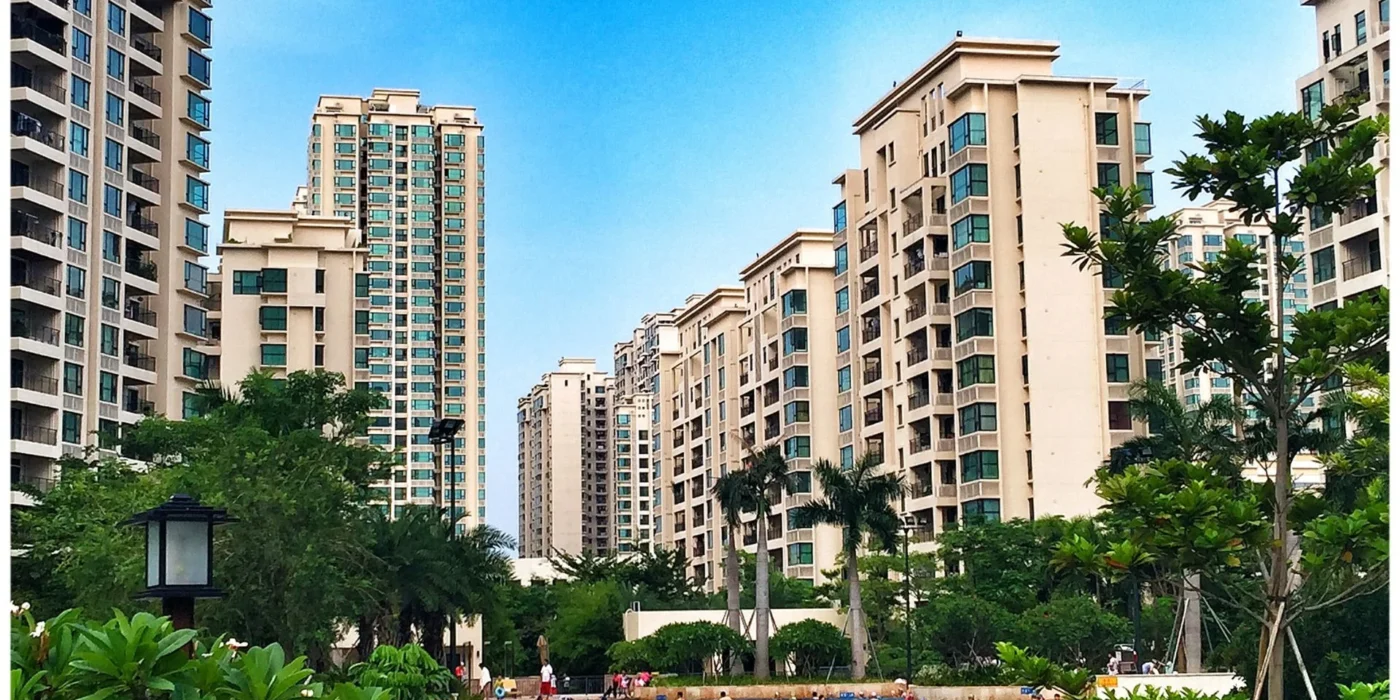
Bangalore’s residential landscape has evolved quietly but decisively over the past few years. What was once a market driven largely by location and square footage has shifted toward something more nuanced. Homebuyers today are looking beyond walls and floor plans, evaluating how a home supports daily routines, family time, health, and a sense of balance. This shift is visible across many new projects in Bangalore, where lifestyle considerations now sit at the centre of planning.
The change has been influenced by multiple factors. Longer work-from-home phases, increased awareness of wellness, and a growing desire for privacy and community have all played their part. Buyers are no longer satisfied with homes that simply meet functional needs; they want spaces that actively improve how life feels, day after day.
This blog explores why lifestyle-focused residential developments are gaining ground in Bangalore, what modern buyers are prioritising, and how this trend is shaping the city’s housing choices.
From Shelter to Lifestyle Choice
For a long time, residential buying decisions in Bangalore followed a predictable pattern. Proximity to workplaces, pricing, and built-up area dominated conversations. While these factors still matter, they no longer define the final decision on their own.
Today’s buyer sees a home as a long-term environment rather than a static asset. The question has shifted from “How big is the house?” to “How will living here feel over the next ten or fifteen years?” This subtle change has pushed developers to rethink how residential projects are conceptualised.
Lifestyle-focused developments attempt to answer this by offering homes that support work, leisure, health, and social connection within the same ecosystem.
Wellness Has Moved from Optional to Essential
One of the most noticeable changes in buyer preferences is the emphasis on wellness. This extends beyond gyms or jogging tracks and enters the realm of everyday living.
Modern residential projects increasingly focus on:
- Natural light and cross-ventilation to reduce dependence on artificial lighting and cooling.
- Landscaped open spaces that encourage walking, outdoor play, and quiet downtime.
- Thoughtful noise buffering to create calmer indoor environments.
These elements may not always be highlighted as headline features, yet they strongly influence how residents experience their homes. Buyers are now more aware of how their surroundings affect mental and physical well-being, and they actively seek developments that acknowledge this connection.
Community Design Is Gaining Importance
Another key shift is the way buyers view community living. Earlier, shared spaces were often treated as add-ons. Now, they are seen as integral to lifestyle quality.
Lifestyle-focused residential projects invest in community design that feels intentional rather than crowded. This includes:
- Clubhouses that support both social gatherings and quieter activities.
- Open areas where children can play safely within the community.
- Seating zones and informal interaction spaces that encourage neighbourly connections.
Importantly, buyers also value balance. While community interaction is welcome, privacy remains essential. Developments that manage to offer both tend to stand out.
Homes Must Adapt to Changing Daily Routines
The way people use their homes has changed significantly. Workspaces, study corners, and flexible rooms are no longer luxury additions; they are practical necessities.
Developers responding to this trend are offering:
- Layouts that allow rooms to serve multiple purposes.
- Clear separation between work areas and personal spaces.
- Storage solutions that reduce clutter and improve usability.
These design choices reflect a deeper understanding of how modern households function. Buyers appreciate homes that adapt to changing needs without requiring structural modifications later.
Outdoor Space Is No Longer a Bonus
Private gardens, terraces, balconies, and shared green zones have moved up the priority list for many buyers. Time spent indoors during recent years has sharpened awareness of the value of accessible outdoor space.
Lifestyle-driven developments often emphasise:
- Seamless indoor-outdoor transitions.
- Green buffers between homes for visual comfort.
- Walkable internal roads and landscaped pathways.
These features contribute to a slower, more relaxed pace of living, which many urban families now actively seek.
Location Still Matters, but Context Matters More
While location remains important, buyers are evaluating it differently. Instead of focusing solely on distance from city centres, they look at the surrounding context.
Questions buyers now ask include:
- Is the neighbourhood likely to remain liveable as it develops?
- Are daily essentials easily accessible without long travel times?
- Does the area offer a balance between growth and calm?
Several emerging projects in Bangalore cater to this mindset by positioning themselves in growth corridors that still retain a degree of openness. Buyers are willing to trade a few extra minutes of commute for a more balanced lifestyle.
Sustainability Is Becoming a Decision Factor
Environmental awareness has slowly entered mainstream homebuying conversations. While not all buyers use the term sustainability explicitly, many value features that reduce long-term impact and operating costs.
This includes:
- Rainwater harvesting systems.
- Energy-efficient lighting and ventilation.
- Waste management practices within communities.
These elements align with lifestyle expectations around responsible living, and they also make financial sense over time.
Trust and Transparency Influence Lifestyle Perception
Lifestyle is not defined only by physical features. Trust in the developer, clarity of documentation, and quality of maintenance all shape how residents experience a project.
Buyers increasingly favour developers who demonstrate:
- Transparent communication.
- Realistic delivery timelines.
- Long-term involvement in community upkeep.
A well-managed project often feels better to live in, regardless of scale. This reinforces the idea that lifestyle extends beyond architecture into everyday operations.
The Middle of the Market Is Driving This Shift
Interestingly, the rise of lifestyle-focused housing is not limited to ultra-luxury segments. Mid-range buyers are equally conscious of how their homes support daily life.
This has encouraged developers to integrate lifestyle elements without excessive cost escalation. Smart planning, efficient layouts, and shared amenities allow projects to offer value without unnecessary extravagance.
As a result, lifestyle-oriented thinking now influences a wide spectrum of residential offerings.
Conclusion
The growing popularity of lifestyle-focused residential projects reflects a broader change in how people define a good home. Buyers are no longer chasing size or status alone. They are seeking environments that support health, flexibility, community, and long-term comfort. As more projects in Bangalore respond to these expectations, the market continues to mature in a way that prioritises lived experience over superficial appeal. Homes that respect how people actually live, rest, and connect are shaping the next phase of residential development in the city.