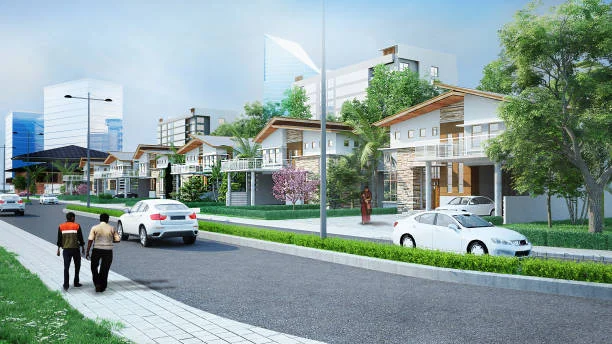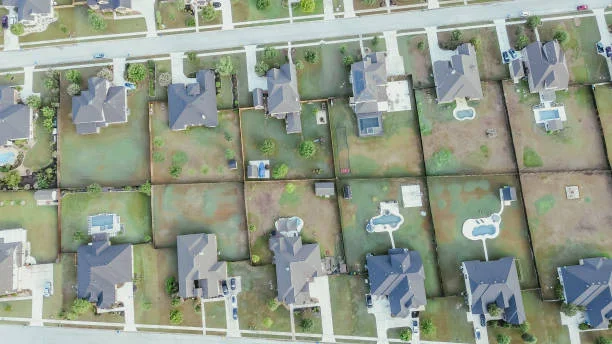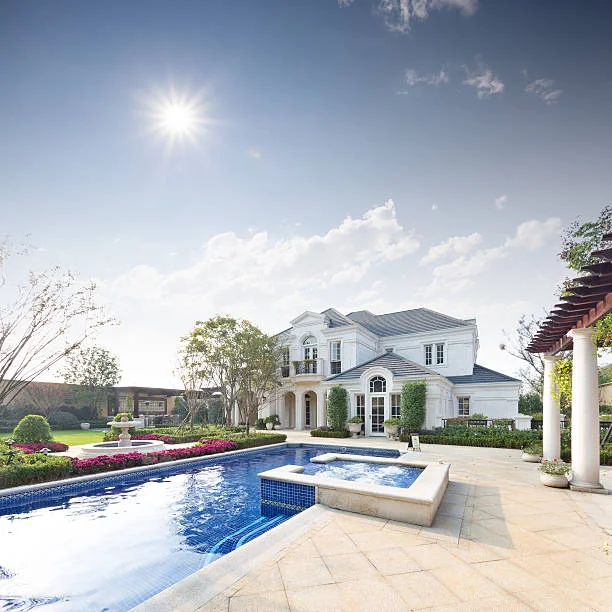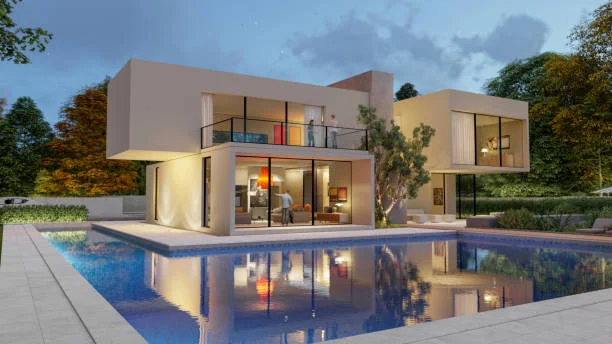

Villa buyer verifying legal property documents and approvals before purchase in Karnataka.
CategoriesBlog

How to Verify Legal Approvals Before Buying a Villa in Karnataka

Buying a villa in Karnataka should begin with legal checks, not site visits or brochures. The quickest way to protect your money is to verify approvals, ownership papers, and registration status before you pay a booking amount. That one step can save months of stress later. If you are evaluating villa legal approvals in Karnataka, the right documents matter more than polished marketing.

Many buyers assume a beautiful sample villa or a trusted sales pitch is enough. It isn’t. A project can look impressive and still have paperwork gaps. This is especially true in fast-growing areas around Bengaluru, where multiple layouts and phased developments are common.

This blog explains the key approvals to check, the documents to ask for, and how to confirm whether a villa project is legally safe to buy.

Why Legal Verification Matters Before Booking

A villa purchase is not just about the home. It is also about land ownership, layout permissions, and whether the builder has the legal right to sell that specific property.

If approvals are missing or incomplete, buyers can face problems like:

  • Delayed registration
  • Loan rejection from banks
  • Trouble during resale
  • Issues with possession or occupancy

A simple legal review early on can prevent all of that.

Start With the Land Title and Ownership

Before checking approvals, confirm who actually owns the land. This is the foundation of every legal check.

Ask for:

  • Mother deed/title deed
  • Sale deed chain
  • Encumbrance Certificate (EC)
  • Khata details

The title should be clear, marketable, and free from disputes. The EC helps confirm whether the land has any legal or financial claims attached to it. If ownership itself is unclear, stop there and investigate further.

Check Layout and Planning Authority Approval

Not every villa project is approved by the same authority. The approving body depends on the location of the land.

In and around Bengaluru, many buyers specifically look for BMRDA approval villas, especially in suburban villa corridors. That is because BMRDA approval indicates the layout has been sanctioned by the planning authority for that area.

What to ask for:

  • Approved layout plan
  • Sanctioned site plan
  • Authority approval letter
  • Project boundaries and survey numbers

Do not rely on verbal assurance. Ask to see the actual documents.

Confirm RERA Registration

This is one of the easiest and most important checks. If the project falls under the applicable size and development rules, it should be registered under Karnataka RERA.

Buyers should strongly prefer RERA registered properties because RERA improves transparency. It gives access to project details like:

  • Completion timelines
  • Approved plans
  • Developer details
  • Litigation disclosures
  • Construction progress updates

How to verify:

Visit the official Karnataka RERA website and search by project name or builder name. Match the details shown there with what the sales team has shared.

Verify Conversion and Land Use Status

This part is often ignored, but it matters a lot. Agricultural land cannot simply be sold as a residential villa project without proper conversion.

Ask whether the land has been legally converted for residential use. Also confirm the zoning allows villa development.

Check for:

  • DC Conversion Order
  • Residential land use classification
  • Revenue records and mutation details

This becomes especially important while reviewing villa legal approvals in Karnataka, because many buyers assume every plotted layout is automatically residential. That assumption can become expensive.

Ask for the Building Plan and Construction Approvals

Even if the layout is approved, the actual villa construction must also follow sanctioned plans. This applies to both ready-to-move and under-construction villas.

Request copies of:

  • Building plan approval
  • Floor plan sanction
  • Structural approval, if available
  • Utility and drainage permissions

This is especially useful when comparing BMRDA approval villas, because layout approval alone does not automatically cover every construction detail.

If the built structure differs too much from approved plans, future issues can arise during registration or resale.

Check Bank Loan Approval, But Don’t Depend on It Alone

A common buyer question is: “If a bank approves the project, is it legally safe?” Helpful, yes. Enough on its own, no.

Bank approval suggests the project has passed a basic legal and technical review. But it should support your verification, not replace it.

Good signs include:

  • Multiple leading banks are funding the project
  • Home loan eligibility for individual units
  • Consistent project documents across banks and builders

Still, always ask for your own legal review if the purchase  a villa is significant.

Common Questions Buyers Usually Have

These are the questions most villa buyers ask, often a little too late.

Is BMRDA approval enough?

No. It is important, but it is only one part of the legal picture. You still need title clarity, conversion, construction approvals, and registration compliance.

Are all villa projects required to be under RERA?

Not all, but many are. If applicable, always prefer RERA registered properties because they offer more transparency and buyer protection.

Should a lawyer review the documents?

Yes, absolutely. A property lawyer can spot issues that are easy to miss during a normal sales discussion.

Can approvals differ phase by phase?

Yes. In phased developments, one phase may be fully approved while another is still under process. Always verify the exact phase and villa number.

A Simple Checklist Before You Pay

Here’s a practical pre-booking checklist:

  1. Confirm land ownership and title chain
  2. Check Encumbrance Certificate
  3. Verify layout approval authority
  4. Confirm residential conversion status
  5. Check building and site plan approvals
  6. Verify Karnataka RERA registration
  7. Ask if the specific unit is sale-ready
  8. Get a lawyer to review the full set

This process may feel detailed, but it is much easier than fixing legal problems later.

Conclusion

Buying a villa should feel exciting, but it should also feel legally secure. A smart buyer checks ownership, planning approvals, conversion, and registration before making any commitment. That is the real difference between a smooth purchase and a risky one. 

When reviewing RERA registered properties or shortlisting BMRDA approval villas, always look beyond marketing and ask for proof. In the end, understanding villa legal approvals in Karnataka is not just a legal step, it is a practical way to protect your investment and buy with confidence.

Gated villa community in Bangalore with security features and safe residential surroundings.
CategoriesBlog

Are Gated Villa Communities Safer Than Apartments in Bangalore?

Yes, in many cases, gated villa communities can offer a safer and more controlled villas living environment than apartments in Bangalore. That does not mean apartments are unsafe, far from it, but villas inside well-planned gated communities often provide a stronger sense of personal security, privacy, and control over daily life. For many families, that difference matters more than they expect.

Safety today is not just about guards at the entrance. It is about who enters your neighborhood, how children move around, how quickly help can arrive, and whether your home gives you peace of mind when you are away. In gated villa communities Bangalore, those small details often come together more effectively than in dense apartment living.

This blog looks at how safety really works in gated villa communities, how they compare to apartments, and what homebuyers in Bangalore should actually pay attention to before deciding.


What Makes a Home Feel Truly Safe?

Safety is not always visible at first glance. A building may have CCTV cameras and still feel chaotic. A neighborhood may look calm but lack real control over access.

For most families, a safe home usually includes:

  • Controlled visitor entry
  • Reliable security staff
  • Well-lit common areas
  • Safe play and walking spaces
  • Quick access to help during emergencies

That is why many homebuyers researching villa security vs apartments are no longer looking only at locks and gates. They are looking at the full living environment.

Why Gated Villa Communities Often Feel More Secure

There is a reason villa communities feel different the moment you enter them. The layout itself supports safety in a quieter, more practical way.

Most villa communities have fewer homes than large apartment complexes. That means less anonymous movement, better familiarity among residents, and easier monitoring of who belongs there. Security teams can often manage the entry and internal roads more efficiently.

This matters a lot for families exploring safe housing Bangalore options, especially those with children or elderly parents at home during the day.


Access Control Is Usually More Effective

In apartments, dozens or even hundreds of families may share the same entrance, parking area, and vertical movement systems. That creates more daily traffic.

In villa communities, access is often simpler and easier to monitor. Security staff can track visitors more carefully, and unusual movement stands out faster. Residents also tend to notice unfamiliar vehicles or people more quickly because the environment is less crowded.

That is one reason villa security vs apartments becomes an important discussion for buyers who value both privacy and awareness.


Safer Open Spaces for Families

One major advantage of gated villa living is how open spaces are designed. In apartments, children often play in shared podiums, parking-adjacent zones, or compact common areas.

Villa communities usually offer:

  • Wider internal roads with slower movement
  • Dedicated play areas away from traffic
  • Better walking paths for seniors
  • More open green spaces within sight of homes

This changes everyday safety in a very real way. Families looking for safe housing Bangalore often realize that freedom of movement inside the community matters just as much as the home itself.


Privacy Also Supports Security

This part is often overlooked. Privacy and safety are closely connected.

In apartments, homes are stacked close together. Corridors, elevators, shared walls, and common access points create constant overlap with neighbors and visitors. That may be normal, but it does reduce personal control.

In well-planned gated villa communities Bangalore, homes usually have better separation, private entrances, and more physical space between units. That naturally reduces unwanted visibility and random movement near your front door.

A quieter environment often feels safer because it is easier to understand and manage.


Are Apartments Ever Safer in Some Cases?

Yes, sometimes they are. Not every villa project is automatically safer, and not every apartment is less secure.

A well-managed apartment with strong maintenance, active security systems, and good resident coordination can be very safe. Likewise, a poorly maintained villa project may not offer the protection buyers expect.

So the real comparison is not just villa versus apartment. It is planning versus poor planning.

When evaluating villa security vs apartments, it helps to compare the actual systems, not just the property type.


What Should Buyers Check Before Deciding?

This is where many people make quick assumptions. Instead of relying on brochures, it is better to check a few practical things during site visits.

Ask These Questions:

  1. How is visitor entry recorded and verified?
  2. Are common areas and internal roads well-lit?
  3. Is there 24/7 on-ground security?
  4. Are play areas safely positioned away from traffic?
  5. How quickly can residents get help during emergencies?

These questions are especially useful for buyers searching for safe housing Bangalore, because they reveal how a community works beyond appearances.


Why Families in Bangalore Are Thinking Differently

Bangalore’s growth has changed how people define safety. It is no longer only about location or gated access. Buyers now think about lifestyle safety too.

Can children cycle safely? Can parents walk in peace? Can a family travel without worrying constantly about the house? These are practical concerns, not luxury concerns.

That is why many buyers now prefer gated villa communities Bangalore when planning long-term family living. The appeal is not just space; it is a controlled, predictable, and calmer daily life.


Common Question: Is a Gated Villa Community Better for Families?

In many cases, yes.

For families with young children, elderly parents, or people working long hours, villa communities often create a more reassuring environment. There is more room to move, better visibility of surroundings, and a stronger sense of familiarity among neighbors.

That does not mean every apartment is unsuitable. But if the goal is a quieter and more controlled home environment, villa communities often align better with that need.

It is one of the biggest reasons villa security vs apartments remains such a relevant discussion today.

Conclusion

When it comes to safety, there is no one-size-fits-all answer, but gated villa communities do offer clear advantages for many Bangalore homebuyers. Better access control, safer open spaces, more privacy, and calmer internal layouts all contribute to a more secure daily living experience. Apartments can still work well, especially when managed properly, but villa communities often feel more predictable and family-friendly.

For buyers thinking long term, gated villa communities Bangalore continue to stand out not just for lifestyle, but for the peace of mind that comes with living in a more thoughtfully controlled environment.

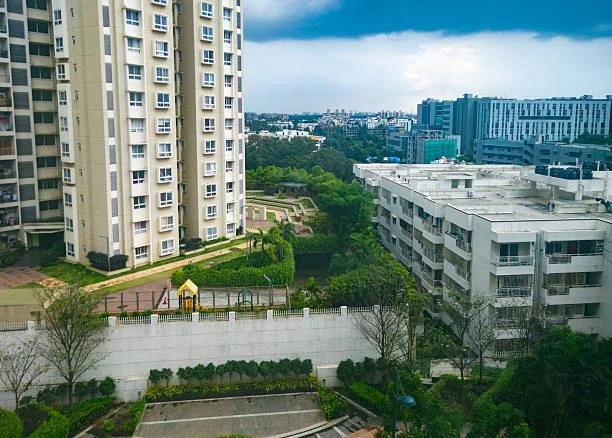
Villa and high-rise apartment comparison highlighting family living, comfort, and lifestyle choices.
CategoriesBlog

Which Is Better for Families: Villas or High-Rise Apartments?

For most families, villas are usually the better long-term choice, especially when daily comfort, privacy, and room to grow matter more than just convenience. That doesn’t mean apartments are a bad option. They can work well for certain budgets and lifestyles. But when people seriously compare villas vs apartments in Bangalore, the decision often comes down to how a family wants to live, not just where they want to stay.

A family home is not only about square feet or amenities on a brochure. It’s about school mornings, quiet evenings, grandparents visiting, children playing, and whether everyday life feels easy or cramped. That’s where the difference becomes very real.

This blog will break down the key differences between villas projects and high-rise apartments, and help families understand which option truly fits their lifestyle.

What Families Usually Need Most in a Home

Before comparing property types, it helps to ask a simple question: what does a family actually need every day?

Most family homes Bangalore buyers look for more than just a stylish layout. They usually want comfort, safety, privacy, and enough room for changing needs over time.

Key priorities for families

  • More usable space indoors and outdoors
  • Safer areas for children and elders
  • Less noise and crowding
  • Better long-term livability
  • Strong resale or future value

When these needs become the focus, the comparison gets much clearer.

Why Villas Feel More Family-Friendly

A villa offers something many apartments struggle to provide, breathing room. Not just physically, but mentally too.

Children can play more freely. Parents don’t have to worry as much about noisy neighbors above or below. Older family members often find villa layouts more comfortable because they feel less boxed in.

This is one of the strongest villa benefits for families. It’s not just about owning a larger home. It’s about creating a lifestyle that feels calmer and more flexible.

Everyday advantages of villa living

  • Private outdoor space
  • More natural light and ventilation
  • Better privacy between families
  • Room for guests, hobbies, or work-from-home setups

Where Apartments Still Make Sense

To be fair, apartments do offer a few practical advantages.

They are often located closer to central business districts, metro stations, or busy commercial zones. For some buyers, especially smaller families or first-time homeowners, that convenience matters a lot.

Apartments also usually come with lower upfront maintenance responsibility because the building management handles many shared services. That can feel easier in the short term.

Still, many family homes Bangalore buyers eventually realize that convenience alone doesn’t always make daily life better.

Space Changes Everything for Growing Families

One thing families often underestimate is how quickly space starts to matter.

A home may feel “enough” at the time of purchase. Then life changes. Children grow. Work shifts home. Parents stay over more often. Suddenly, that extra room or open area doesn’t feel optional anymore.

This is where villas vs apartments in Bangalore becomes more than a property comparison. It becomes a lifestyle decision.

A villa gives families the ability to adapt without feeling squeezed. And honestly, that matters more over ten years than it does on day one.

Safety and Freedom for Children

This is a big one for parents.

In apartments, children often rely on designated play areas, elevators, and fixed shared spaces. In well-planned villa premium communities, they usually get a little more freedom, more room to cycle, walk, or play outdoors in a quieter environment.

That freedom changes the way children experience home.

One of the most practical villa benefits for families is how naturally villa communities support active, outdoor living. It doesn’t need to be forced. It just becomes part of everyday life.

What About Maintenance and Daily Upkeep?

This is where apartments often seem easier at first.

Yes, villa living usually comes with slightly more responsibility. Outdoor areas, private spaces, and larger layouts do need regular upkeep. But that doesn’t always mean it’s harder. In many gated villa communities, shared maintenance services take care of roads, security, and common amenities.

The real difference is this: apartment maintenance is more centralized, while villa maintenance is more lifestyle-based.

For many family homes Bangalore buyers, that trade-off feels worth it because the living experience is simply better.

Which Option Offers Better Long-Term Value?

A lot of families don’t just buy a home for today. They buy for stability, comfort, and future value.

Villas often hold a stronger long-term appeal because they include land ownership, more privacy, and a lifestyle many families actively seek as they move into the next stage of life. Apartments can still appreciate, especially in prime locations, but they usually depend more on building age and market saturation.

When buyers compare villas vs apartments in Bangalore, long-term value often tilts in favor of villas, especially in well-connected growth corridors.

Common Questions Families Usually Ask

Here are a few questions that often come up during the decision-making process:

Are villas always more expensive than apartments?

Usually yes, but not always by an unrealistic margin. The long-term value can often justify the higher cost.

Are apartments better for working professionals?

They can be, especially for people prioritizing city-center convenience over space.

Are villas practical for families with children?

Very much so. In fact, that’s one of the biggest villa benefits for families.

Which is better for multi-generational living?

Villas tend to work better because they offer more privacy and flexibility for everyone.

Conclusion

If the goal is simple convenience, apartments can still be a practical choice. But if the goal is a better family lifestyle, more space, more privacy, and a home that adapts over time, villas usually come out ahead.

That’s really the heart of the decision. When families honestly look at how they want to live, not just what they want to buy, the answer becomes clearer. In the ongoing debate around villas vs apartments in Bangalore, villas often win because they support family life in a fuller, more lasting way. And for many families, that difference is worth everything.

Villa buyer reviewing property documents and villa features before purchase in Bangalore.
CategoriesBlog

What Should You Check Before Buying a Villa in Bangalore?

If you’re buying a villa in Bangalore, the smartest thing you can do is look beyond the brochure. A beautiful elevation, a fancy clubhouse, or a “limited units” pitch can catch attention quickly, but the real decision should come down to legal clarity, location quality, build standards, and how well the property will actually support daily life.

A villa is not just another real estate purchase. It’s usually a long-term family decision, and often a major financial one too. That’s why small details matter more than people expect. Things like drainage, plot ownership, road access, ventilation, and maintenance structure can make a huge difference later.

This blog covers the most important things to check before finalizing a villa in Bangalore, so the decision feels informed, practical, and future-ready.

Start With Legal Approvals and Ownership Clarity

This should always be the first checkpoint. Before looking at interiors or amenities, confirm whether the project has the right approvals and clean documentation.

Check if the property has:

  • Clear title and ownership records
  • Approval from the relevant planning authority
  • Khata details, if applicable
  • Sale agreement and registration clarity
  • Loan eligibility from reputed banks

A good villa checklist Bangalore should always begin with paperwork. If the legal side feels vague, that’s not a small issue. That’s the issue.

Why plot ownership matters

In villa projects, this becomes especially important. Some buyers assume they are purchasing both land and home, but that is not always the case.

Ask clearly:

  • Is the plot individually registered?
  • Is it an undivided share or independent ownership?
  • What exactly is included in the sale deed?

This is one of the most useful property buying tips for villa buyers, and honestly, one that gets overlooked too often.

Check the Location Beyond Google Maps

A villa may look “close” on paper, but feel inconvenient in daily life. Bangalore traffic has a way of exposing location decisions very quickly.

So instead of checking only distance, look at:

  • Time taken during peak hours
  • Access to schools, hospitals, and grocery stores
  • Road width and approach roads
  • Future infrastructure in the area

One of the best property buying tips is to visit the location more than once, ideally at different times of the day. Morning and evening tell very different stories.

Think about the next 5 to 10 years

A location should work not just for now, but later too.

Ask yourself:

  • Is this area still likely to grow?
  • Will it stay residential or become too crowded?
  • Does it offer long-term value, not just short-term hype?

A smart villa checklist Bangalore always includes future livability, not just current convenience.

Understand the Plot Size and Built-Up Area

This is where many buyers get confused. A large built-up area may sound impressive, but plot size often tells a more important story.

Why? Because the plot affects:

  • Privacy between homes
  • Outdoor space and setbacks
  • Future modifications
  • Natural light and ventilation

If you’re buying a villa in Bangalore, compare both numbers carefully. A slightly smaller home on a better plot can often offer a better living experience than a larger structure on limited land.

Ask for actual dimensions, not just brochure highlights

Brochures can make spaces feel bigger than they are. So ask for:

  • Plot dimensions
  • Carpet area
  • Usable balcony or garden space
  • Wall-to-wall room sizes

That clarity helps avoid surprises later.

Look Closely at Construction Quality

A villa can look great at first glance and still have weak construction underneath. That’s why a site visit matters. Actually, more than one site visit helps.

Things worth checking:

  • Wall finish and alignment
  • Tile fitting and edge quality
  • Plumbing points and water pressure
  • Window quality and sealing
  • Staircase finish and railing stability

These aren’t glamorous checks, but they reveal a lot. A practical villa checklist Bangalore should always include build quality, not just design appeal.

Ask what materials are being used

You don’t need to be a civil engineer to ask basic questions.

Ask about:

  • Brick type or block work
  • Waterproofing methods
  • Electrical brand fittings
  • Plumbing pipe brands
  • Paint and insulation details

That’s one of those underrated property buying tips that can save future maintenance costs.

Don’t Judge Amenities by Quantity Alone

Many villa projects list a long row of amenities. Pool, gym, play area, yoga deck, clubhouse, and so on. But not every amenity adds real value.

What matters more is:

  • Is it usable?
  • Is it well-placed?
  • Will residents actually use it often?

A smaller, practical set of amenities is often better than a long list of features that stay empty.

Ask how the community will be maintained

This is a big one.

In villa communities, maintenance usually covers:

  • Internal roads
  • Street lighting
  • Landscaping
  • Security
  • Common amenities

Ask:

  • Who manages maintenance?
  • What are the monthly charges?
  • How is upkeep planned long-term?

That’s a very real part of buying a villa in Bangalore, and one worth understanding early.


Check Ventilation, Light, and Orientation

People often notice this only after moving in. But by then, it’s too late.

A well-oriented villa can feel cooler, brighter, and more comfortable every single day. Poor orientation can increase heat, reduce airflow, and make spaces feel closed.

During the site visit, observe:

  • Morning light in key rooms
  • Window placement
  • Cross ventilation
  • Shade around balconies or sit-outs

A good home should feel pleasant without depending too much on artificial lighting or constant air-conditioning.

Why this matters more in Bangalore

Bangalore’s climate is generally pleasant, but homes still need proper airflow and sunlight. That’s what makes indoor spaces feel healthy and comfortable over time.

Simple property buying tips like checking room orientation can make a noticeable difference in daily living.


Ask the Questions Buyers Often Forget

This is the part many people skip because they assume the big checks are enough. But practical questions often reveal the real picture.

Here are a few worth asking:

Common questions to ask before finalizing

  1. What is the water source for the project?
  2. Is there rainwater harvesting?
  3. How is drainage managed during heavy rain?
  4. Are there any hidden charges beyond the quoted price?
  5. What is the possession timeline, and how reliable is it?

This kind of detailed villa checklist Bangalore thinking, helps you buy with more confidence and less guesswork.

Conclusion

A villa purchase should feel exciting, but it should also feel clear. The best decisions usually come from asking practical questions early, not solving avoidable issues later. Legal approvals, plot ownership, construction quality, location strength, orientation, and maintenance planning all deserve close attention before anything gets finalized.

If you’re buying a villa in Bangalore, it helps to slow down and evaluate the full picture, not just the sales pitch. A well-chosen villa supports not only your investment, but your everyday life too. And honestly, that’s what makes the decision worth getting right.

Premium villa off Sarjapur Road highlighting investment potential and modern residential living in 2026.
CategoriesBlog

Is Buying a Villa Off Sarjapur Road a Good Investment in 2026?

Yes, in many cases, it is. If the location, builder quality, approvals, and long-term livability are right, a villa off Sarjapur Road can be a smart 2026 investment. It offers something many buyers are now prioritizing more seriously: space, privacy, and better long-term lifestyle value. That’s a big reason buying a villa in Sarjapur is getting more attention from both end-users and investors.

Sarjapur is no longer just a “future growth” story. It has already moved into a more mature phase, with better road access, strong demand from professionals, and continued residential expansion. That doesn’t mean every project is worth considering, of course. Some are far stronger than others.

This blog will look at whether a villa off Sarjapur Road makes sense in 2026, what drives value there, and what buyers should actually evaluate before investing.

Why Sarjapur Road Still Stands Out in 2026

Sarjapur Road has stayed relevant for a reason. It connects well to major IT zones, schools, and growing social infrastructure, while still offering room for premium low-density housing.

That combination matters.

For many homebuyers, especially families, it offers a better balance than overly congested urban pockets. From an ownership perspective, Sarjapur real estate investment remains attractive because the area continues to evolve without feeling fully saturated yet.

What makes the corridor attractive?

A few things continue to support demand:

  • Access to major employment hubs
  • Strong rental and resale interest
  • Better long-term livability than dense apartment zones
  • Ongoing infrastructure improvement

These aren’t small factors. They shape both convenience and future value.

Why Villas Are Being Viewed Differently Now

A few years ago, villas were often seen as aspirational purchases. In 2026, they’re being evaluated more practically.

People want more usable space. More privacy. Less compromise.

That shift has changed how buyers think. A well-planned gated villa community near Sarjapur now appeals not just emotionally, but financially too. This is where Bangalore villa appreciation enters the conversation. Buyers aren’t only asking how the home feels today, they’re asking how it holds value over the next ten years.

That’s a healthier way to assess property.

Is It Better Than Buying an Apartment in the Same Zone?

Often, yes, depending on your goal.

If someone is buying for short-term rental yield alone, apartments may still make sense in some pockets. But if the goal is long-term ownership, family use, and stronger land-linked value, villas tend to offer more depth.

Here’s the simple difference:

Apartments usually offer:

  • Lower ticket size
  • Easier entry point
  • Higher density living

Villas usually offer:

  • More land ownership
  • Better privacy
  • Greater layout flexibility
  • Stronger long-term emotional and lifestyle value

That’s why many buyers exploring Sarjapur real estate investment are now comparing villas more seriously than before.

What Actually Makes a Villa a Good Investment?

Not every villa project off Sarjapur Road is automatically a good investment. Some are well-planned. Some are just well-marketed.

That distinction matters.

A smart buyer should look at the things that hold value over time, not just what looks attractive during a site visit.

Focus on these five things:

  1. Project approvals and legal clarity
  2. Plot quality and layout efficiency
  3. Builder credibility and delivery track record
  4. Road access and future connectivity
  5. Community planning and maintenance potential

This is the point many people miss while buying a villa in Sarjapur. The real value often comes from the fundamentals, not the brochure.

How Appreciation Works in Villa Markets

Villa appreciation doesn’t always behave the same way apartment appreciation does.

With villas, a meaningful part of the value comes from land, not just construction. That changes the long-term equation. In growth corridors, land-linked assets often hold up better over time, especially when supported by infrastructure and demand from end-users.

That’s why Bangalore villa appreciation has remained a relevant topic in emerging villa belts like Sarjapur. Well-located villa communities with legal clarity and good livability tend to age better in the market than overcrowded or poorly planned alternatives.

And yes, buyers notice that.

Common Questions Buyers Usually Have

Before investing, most buyers are really asking a few practical questions, even if they phrase them differently.

Is Sarjapur still growing, or already too expensive?

It’s growing, but in a more established way now. Prices have moved, yes, but that also reflects stronger demand and maturing infrastructure.

Are villas harder to maintain?

Not necessarily. A well-managed villa community can be very practical if the planning is good.

Is resale demand strong?

Usually, yes, especially for well-located projects with quality construction and sensible layouts.

This is why Sarjapur real estate investment remains relevant in 2026. It still checks both lifestyle and future-value boxes when chosen carefully.

Who Should Consider Buying a Villa Here?

A villa off Sarjapur Road is usually best suited for buyers who are thinking beyond short-term trends.

It works especially well for:

  • Families planning long-term residence
  • Professionals wanting more privacy and open space
  • Buyers looking for land-backed value
  • Investors with a medium to long holding horizon

It may not be ideal for someone seeking the lowest entry cost or immediate liquidity. But for the right buyer, it can be a strong fit. That’s also why buying a villa in Sarjapur tends to attract more serious, decision-ready buyers than casual browsers.


What Could Make It a Poor Investment?

This part matters too.

A villa can become a weak investment if the project is in an isolated micro-location, has weak legal clarity, poor internal planning, or low future demand. Sometimes the issue isn’t the area, it’s the project itself.

That’s why broad location hype shouldn’t replace project-level evaluation.

Even in strong markets, poor planning gets exposed over time. In contrast, good projects usually hold up better, both in resident satisfaction and market perception. That’s the real basis of Bangalore villa appreciation, not just location alone.

Conclusion

A villa off Sarjapur Road can be a strong 2026 investment because it combines livability, land-linked value, and long-term demand in a way many urban properties no longer do. The area still has momentum, and well-planned communities continue to attract serious buyers and families looking for lasting value.

The key is choosing carefully. Buying a villa in Sarjapur is not just about purchasing a home; it’s about selecting the right version of future living. And in 2026, that still holds real weight.

Premium villa investment showcasing luxury living and long-term financial value.
CategoriesBlog

Long-Term Financial Benefits of Investing in Premium Villas

Premium villas represent substantial investments blending lifestyle appeal with wealth preservation. Beyond immediate luxury, they offer compounding financial advantages spanning decades. Villa IT hubs investment Bangalore has proven particularly attractive, driven by the city’s status as India’s technology capital and consistent infrastructure growth.

Investors increasingly recognize villas as superior long term real estate investment vehicles compared to apartments or commercial spaces. Limited supply in prime locations, coupled with rising demand from high-net-worth professionals, creates sustained appreciation. Villas also generate rental income, tax efficiencies, and legacy wealth transfer potential unmatched by other asset classes.

This blog examines capital appreciation, rental yields, tax benefits, leverage opportunities, and inheritance advantages that make premium villas enduring financial assets.

Capital Appreciation Dynamics

Villas in established and emerging growth corridors deliver superior long-term returns. Bangalore’s peripheral expansion along Sarjapur Road, Devanahalli, and North Technology Corridor fuels consistent villa value growth.

Historical performance data:

  • Sarjapur villas appreciated 12-15% annually (2018-2025).
  • Whitefield luxury enclaves averaged 10% compound growth.
  • Airport Road projects show 18% CAGR due to infrastructure.

Key appreciation drivers:

  • Limited Supply: Gated villa projects rarely exceed 200 units, creating scarcity.
  • Infrastructure Boost: Metro extensions, expressways, and airport expansion enhance desirability.
  • Demand Surge: HNIs, NRIs, and corporate relocations sustain buyer interest.
  • Land Value: Villas include substantial plot area appreciating independently.

Unlike apartments diluted by high supply, villas benefit from positional scarcity in premium segments.

Rental Income Potential

Premium villas generate strong rental yields from expatriates, senior executives, and visiting professionals. Bangalore luxury property commands ₹1.5-3 lakhs monthly for 4-5BHK configurations.

Rental yield comparison:

  • Villas: 3.5-5% gross yields (₹2 lakh rent on ₹5 crore property).
  • Apartments: 2-3% yields in similar price brackets.
  • Commercial: Volatile occupancy with higher vacancy risks.

Rental advantages:

  • Long-term corporate leases (2-5 years) ensure stability.
  • Furnishing premiums add 20-30% to base rents.
  • Expat demand peaks during January-June hiring seasons.
  • Section 80 deductions on home loan interest for self-occupied portions.
  • Vacation rental potential during owner absences further boosts returns.

Tax Efficiency and Deductions

Villas unlock multiple tax-saving avenues unavailable to other investments. Home loan interest deductions up to ₹2 lakhs annually apply to self-occupied properties. Principal repayment qualifies under Section 80C.

Tax optimization strategies:

  • Indexation Benefits: Long-term capital gains tax (20% with indexation) significantly reduces tax liability on sale after 2+ years.
  • Rental Income Set-Offs: 30% standard deduction plus municipal taxes and repairs.
  • Home Office Deductions: IT professionals claim depreciation on dedicated office spaces.
  • Inheritance Tax Planning: Step-up basis resets cost for heirs, minimizing future taxes.

Rental losses can offset other income, providing additional shelter. Villas facilitate sophisticated tax planning for high earners.

Leverage and Financing Advantages

Lower loan-to-value ratios make villas attractive for leverage. Banks finance 70-80% of villa values versus 90% for apartments, reflecting lower risk profiles.

Financing benefits:

  • Stable EMIs: Longer tenures (25-30 years) spread costs.
  • Floating Rate Advantages: Repo rate cycles benefit long-term borrowers.
  • Rental Offset: Income covers 70-90% of EMI payments.
  • Prepayment Flexibility: No penalties after initial moratorium.

Villa investment Bangalore projects often partner with banks for preferential rates. Pre-approved loans streamline purchase processes for salaried professionals.

Diversification and Portfolio Balance

Villas complement equity and fixed-income portfolios through low correlation with market cycles. Real assets hedge inflation while providing tangible utility.

Portfolio allocation rationale:

  • 20-30% real estate ideal for high-net-worth individuals.
  • Villas offer residential utility absent in commercial properties.
  • Counter-cyclical: Rental demand rises during equity downturns.
  • Tangible asset provides psychological stability.

Bangalore luxury property serves as regional diversification within national portfolios.

Maintenance and Operating Costs

Premium villas incur higher upkeep than apartments. Gated communities mitigate this through professional management (₹25,000-50,000 monthly).

Cost management strategies:

  • Society Bulk Contracts: Reduce individual service costs.
  • Solar Integration: 30-50% electricity savings.
  • Rainwater Harvesting: Lower water bills in dry seasons.
  • Preventive Maintenance: Annual audits avoid major repairs.

Net operating costs (3-4% of value annually) remain competitive with apartment maintenance when factoring rental offsets.

Resale Liquidity and Market Depth

Established villa projects demonstrate strong secondary markets. Long term real estate investment in branded developments ensures buyer interest.

Exit strategy metrics:

  • Average holding period is 7-12 years.
  • Resale premiums is 20-40% above purchase price.
  • Organized broker networks specializing in luxury segments.
  • NRI buyer interest sustains demand.

RERA compliance enhances buyer confidence, facilitating smoother transactions.

Legacy Wealth Transfer

Villas excel as inheritance vehicles. Undivided ownership transfers seamlessly to heirs without partition complexities plaguing apartments.

Succession benefits:

  • Single-title simplicity avoids co-owner disputes.
  • Plot appreciation benefits pass intact to the next generation.
  • Rental income provides family financial security.
  • Emotional value of family homes strengthens legacy.

Gifting provisions allow tax-efficient wealth transfer during lifetime.

Risk Mitigation Factors

Villa investments carry location-specific risks mitigated through due diligence. Essential safeguards include:

  • RERA-registered projects only.
  • Clear title verification spanning 30 years.
  • Soil tests confirming foundation stability.
  • Developer track record exceeding 10 years.
  • Proximity to established civic infrastructure.

Villa investment Bangalore benefits from mature regulatory frameworks reducing systemic risks.

Market Timing Considerations

Optimal entry occurs during:

  • Infrastructure announcement cycles.
  • Pre-launch phases offering 15-20% discounts.
  • Interest rate troughs.
  • Salary bonus seasons for down payments.

Exit timing aligns with personal milestones or market peaks, typically 8-15 years post-purchase.

Measuring True Returns

Beyond headline appreciation, total returns include:

  • Rental Yield: 4% average.
  • Capital Growth: 10-12% CAGR.
  • Tax Savings: 1-2% effective yield.
  • Utility Value: Priceless lifestyle benefits.

Composite returns of 14-18% annually outperform most mutual funds over similar horizons.

Conclusion

Premium villas deliver multidimensional financial security through appreciation, income, tax efficiency, and legacy preservation. Villa investment Bangalore combines regional growth dynamics with national wealth-building principles, creating enduring assets.

Strategic selection, professional management, and patient holding unlock returns compounding across generations. Villas transcend transactions, becoming foundations of financial independence and family stability in India’s premier technology hub.


Standalone villa and community villa comparison showing lifestyle, privacy, and residential features.
CategoriesBlog

Comparing Standalone Villas vs Community Villas

Villa ownership appeals to those seeking space, privacy, and prestige beyond apartment living. Two primary options dominate the market: standalone villas on individual plots and community villas within gated developments. Gated community villas Bangalore have surged in popularity, yet independent villa Bangalore options maintain loyal followings among buyers prioritizing autonomy.

Each format serves different lifestyles and priorities. Standalone villas offer complete freedom and expansive plots, while community villas provide security and shared amenities. Location, budget, and family dynamics determine which better suits individual needs.

This blog compares key differences across privacy, costs, maintenance, amenities, investment potential, and lifestyle fit to guide informed villa selection.

Privacy and Personal Space

Standalone villas deliver unmatched privacy. Owners control entire plots, typically 2400-6000 sq ft, with no shared walls or neighboring windows. High compound walls, mature landscaping, and custom driveway layouts create secluded sanctuaries.

Privacy advantages:

  • Complete design freedom without architectural committee approval.
  • No shared boundaries limiting expansions or renovations.
  • Quiet evenings undisturbed by community events or traffic.

Community villas sacrifice some autonomy for collective security. Plots range from 1500-4000 sq ft within secure perimeters. While neighbors remain close, 24/7 manned gates, CCTV surveillance, and patrols provide peace of mind absent in standalone properties.

Community privacy trade-offs:

  • Gated entry systems restrict unannounced visitors.
  • Perimeter security eliminates external encroachment risks.
  • Internal privacy maintained through boundary walls and landscaping.

Professionals valuing solitude prefer standalone; families prioritize gated security.

Cost and Investment Dynamics

Independent villa Bangalore properties command premium pricing due to larger plots and prime locations. Entry prices start at ₹3-5 crores for 4BHK configurations on 4000+ sq ft land. Appreciation tracks neighborhood development rather than project-specific amenities.

Standalone financial profile:

  • Higher stamp duty on larger plot values.
  • Property tax based on full land area.
  • 7-10% annual appreciation tied to locality growth.

Gated community villas Bangalore offer better value per square foot. Similar 4BHK units cost ₹2.5-4 crores on smaller plots but include premium infrastructure. Collective appreciation benefits from project branding and facilities.

Community investment benefits:

  • Lower per sq ft rates due to shared infrastructure costs.
  • Rental demand from expats and executives.
  • Organized resale markets with established pricing.

Community villas edge ahead for ROI-focused buyers; standalone appeals to legacy builders.

Maintenance and Upkeep Realities

Standalone ownership means full responsibility. Owners handle gardening, security, repairs, and utilities independently. Larger plots demand dedicated staff, increasing monthly expenses to ₹40,000-80,000.


Standalone maintenance demands:

  • Full-time gardener, watchman, and maid services.
  • Individual rainwater harvesting, solar systems.
  • Personal backup generators and water tankers.
  • Custom repairs without society cost-sharing.

Secure villa projects distribute responsibilities through professional management. Monthly maintenance fees (₹20,000-40,000) cover landscaping, security, clubhouse operations, and common area upkeep. Owners focus only on internal maintenance.

Community maintenance advantages:

  • 24/7 facility management teams.
  • Bulk procurement reduces individual costs.
  • Scheduled upgrades funded collectively.

Low-maintenance seekers favor communities; hands-on owners prefer standalone control.

Amenities and Lifestyle Facilities

Community villas shine through shared infrastructure. Clubhouses, swimming pools, gyms, tennis courts, and children’s parks elevate daily living. Gated community villas Bangalore often include spas, business centers, and concierge services catering to working professionals.

Signature community features:

  • Temperature-controlled pools and aerobics studios.
  • Party lawns and banquet halls for celebrations.
  • Jogging tracks, amphitheaters, and pet parks.
  • EV charging stations and co-working spaces.

Standalone villas lack these but offer customization potential. Owners install private infinity pools, home theaters, or landscaped orchards tailored to personal tastes.

Standalone lifestyle customization:

  • Personal orchards or vegetable gardens.
  • Custom entertainment zones.
  • Privacy for large family gatherings.

Social families thrive in communities; private individuals prefer standalone personalization.

Security and Safety Standards

Secure villa projects invest heavily in layered protection. Biometric access, facial recognition, armed guards, and 360-degree surveillance create fortress-like environments. Perimeter fencing and visitor tracking eliminate unknown access.

Advanced community security:

  • Triple-gate entry protocols.
  • Panic buttons linked to control rooms.
  • Night patrols and drone surveillance.
  • Children’s safe zones with RFID tracking.

Standalone villas depend on individual measures. High boundary walls, CCTV systems, and watchmen provide protection but lack collective vigilance. Smart home integration offers remote monitoring for traveling owners.

Security-conscious families, especially with children, favor gated communities; confident owners comfortable with personal arrangements choose standalone.

Location and Accessibility

Independent villa Bangalore properties cluster in established upscale neighborhoods like Indiranagar, Jayanagar, or Sadashivanagar. Excellent civic amenities and proximity to schools balance suburban feel with urban convenience.

Community villas concentrate in growth corridors. Sarjapur Road, Devanahalli, and North Bangalore extensions offer gated community villas Bangalore near emerging IT hubs and airports. Metro connectivity improves annually.

Location comparison:

  • Standalone: Premium established areas with mature infrastructure.
  • Community: High-growth peripheries with project-specific facilities.

Commute tolerance and future appreciation guide location preferences.

Community Dynamics and Social Life

Gated communities foster organized social interaction. Residents’ associations plan festivals, sports leagues, and cultural events. Neighboring families often share similar demographics, creating natural friendships.

Social benefits:

  • Children’s playdates and sports teams.
  • Adult hobby groups and book clubs.
  • Emergency support networks.

Standalone living offers selective socializing. Owners host private gatherings without community oversight. Neighbor relationships develop organically over years.

Introverts appreciate standalone independence; extroverted families enjoy community vibrancy.

Customization and Design Freedom

Standalone villas permit complete architectural expression. Owners select builders, materials, and layouts without restrictions. Expansions, pool additions, or style changes occur at personal discretion.

Community villas follow project guidelines. Secure villa projects enforce architectural uniformity, facade approvals, and landscaping standards to maintain visual harmony and resale values.

Freedom comparison:

  • Standalone: Unlimited personalization potential.
  • Community: Tasteful customization within established aesthetics.

Creative individuals favor standalone; those valuing neighborhood consistency prefer communities.

Resale and Exit Strategy

Market dynamics favor both formats. Standalone villas appeal to legacy buyers seeking heritage properties. Independent villa Bangalore resale benefits from neighborhood prestige.

Gated communities offer faster transactions. Established branding, verified amenities, and organized documentation attract investors and end-users. Digital marketing showcases facilities effectively.

Exit timelines:

  • Standalone: 3-6 months in premium areas.
  • Community: 1-3 months due to a broader buyer pool.

Both deliver strong returns when location and condition align with market demand.

Conclusion

Choosing between standalone and community villas depends on balancing privacy against convenience, autonomy against security, and customization against shared luxury. Gated community villas Bangalore excel for families valuing facilities and protection; independent villa Bangalore properties suit those prioritizing space and freedom.

Each path leads to rewarding villa ownership when matched to lifestyle realities. Careful consideration of maintenance tolerance, social preferences, and long-term plans ensures the chosen format enhances rather than complicates daily living, delivering enduring satisfaction in either format.


Premium villa property highlighting plot size, open space, and long-term investment value.
CategoriesUncategorized

Why Plot Size Matters More Than Built-Up Area

When people start searching for homes, the first number they usually look at is built up area. More square feet sounds impressive. It feels like more value. Bigger living room, extra bedroom, maybe even that home office everyone talks about. Simple math, right?

But here’s where things get interesting. In places like Bangalore, especially when evaluating villa plot size Bangalore, the land under the house often matters more than the structure sitting on it. Built-up area shows what exists today. Plot size shows what’s possible tomorrow. And that difference quietly shapes comfort, flexibility, and long-term returns.

This blog is about why plot size often matters more than built-up area, especially when thinking long term.

Land Is What Truly Stays

Buildings change. Land doesn’t.

Over time, paint fades, tiles wear out, and layouts feel outdated. But the land remains constant. That’s why land value appreciation plays such a strong role in property growth. Construction usually depreciates. Land, especially in growing corridors, tends to gain value.

A bigger structure on a small plot may look attractive at first glance. But years later, the true strength of ownership lies in how much land is actually held. That’s the part that grows quietly in value.

Flexibility That Built Up Area Can’t Offer

Life changes. Families grow. Work shifts home. Needs evolve.

A larger plot gives breathing room for those changes. Want to extend the living area? Add a garden studio? Create a larger outdoor seating space? With sufficient land, those ideas stay possible.

With limited plot space, options shrink. It becomes difficult to modify without compromising structure or aesthetics.

Extra land allows:

  • Future room additions
  • Outdoor decks or pergolas
  • Expanded garden or lawn space

Flexibility is freedom. And plot size quietly gives that freedom.

Privacy Is Not About Interiors Alone

Many people think privacy comes from smart interior layouts. That’s only half the story.

True privacy depends on the spacing between homes. Wider setbacks. Open boundaries. Air between structures. In communities with well-planned independent villa plots, the experience feels calmer. Less visual intrusion. Less noise spillover.

Even a spacious house can feel tight if it sits too close to neighboring walls. Plot width and depth influence how open or confined the home feels. That subtle space outside makes a noticeable difference inside.

Outdoor Living Needs Real Ground

Balconies are nice. Terraces are useful. But ground-level open space? That changes everything.

A larger plot supports gardens, play areas, small lawns, maybe even a private seating corner under a tree. These aren’t luxury extras. They become part of the daily routine.

Morning tea outdoors. Children playing within safe boundaries. Weekend gatherings that don’t feel cramped.

Built-up area focuses on enclosed living. Plot size creates an outdoor lifestyle. And once experienced, it’s hard to go back.

Light and Air Flow Better With Space

Natural light and ventilation depend heavily on surrounding clearance.

When houses sit tightly packed, windows often face walls. Air movement reduces. Light feels blocked. But on a larger plot, openings face open sky or green areas. Cross ventilation improves. Rooms feel brighter.

This is where villa plot size Bangalore discussions become practical, not theoretical. Adequate plot dimensions improve daily comfort without extra technology. Better airflow means less dependency on artificial cooling and lighting.

Space outside quietly improves the quality inside.

Land Drives Long-Term Returns

Investment perspective matters too. Especially in fast-growing areas.

Construction costs may rise, but structures age. Land, on the other hand, often benefits from infrastructure growth. Roads expand. Commercial it hubs develop. Connectivity improves. And land value appreciation follows that progress.

Homes built on generous plots typically attract stronger resale interest. Buyers recognize potential. Even if the structure feels modest, the land offers future adaptability.

Over time, land becomes the core driver of value.

Maintenance Isn’t Always About Size

A larger built-up area can look impressive. But it also brings higher maintenance responsibility.

More flooring. More walls. More plumbing points. More surfaces to repaint and repair.

In contrast, land itself doesn’t require structural upkeep. Landscaping requires attention, yes. But structural repairs remain tied to built up area.

Balancing a reasonable home size on a comfortable plot often keeps long-term costs manageable. Bigger interiors don’t always mean better ownership experience.

Psychological Space Matters Too

There’s something about having space around a home. It changes how it feels.

Crowded surroundings can create subtle stress. Limited breathing room between structures can feel restricting over time. But open space, even if unused daily, provides comfort.

Well-planned independent villa plots often create that sense of freedom. Room to plant trees. Room to redesign entryways. Room to adapt.

Plot size measures potential. And potential brings peace of mind.

Conclusion

Built-up area defines today’s comfort. Plot size defines tomorrow’s possibilities. While interior square footage influences immediate usability, land shapes privacy, flexibility, long-term value, and lifestyle expansion.

When evaluating properties, especially in competitive markets, looking closely at villa plot size Bangalore makes practical sense. It determines how well the property adapts to change, supports future modifications, and benefits from steady land value appreciation.

At the end of the day, walls can be rebuilt. Interiors can be redesigned. But land remains constant. And in the long run, it’s the land beneath the home that often carries the real weight of value.

Premium villa community featuring modern amenities, green spaces, and lifestyle-focused facilities.
CategoriesBlog

Amenities That Actually Add Value in Premium Villa Communities

Premium villa community projects often showcase long lists of features designed to impress buyers during site visits. Infinity pools, landscaped gardens, fitness zones, and luxury lounges sound exciting at first glance. But once daily life begins, only a few amenities truly become part of everyday routines. Real value doesn’t come from how many features exist but from how useful they feel week after week. The conversation around luxury villa amenities has shifted in recent years, moving away from flashy additions toward practical spaces that improve comfort and convenience. Some amenities look amazing in brochures, but rarely get used. Others feel simple yet become essential to daily living. 

This blog explores which features genuinely enhance lifestyle and why thoughtful planning matters more than quantity.

Security Systems That Feel Reliable Every Day

Safety sits at the core of any premium residential experience. Yet real security goes beyond a guarded entrance and a boom barrier.

Effective gated community villas amenities include well-trained security teams, visitor management systems, and proper lighting throughout common spaces. Consistent monitoring through cameras and access control points adds confidence without making residents feel restricted. Families value environments where children can move freely and evenings feel calm. Reliable security works quietly in the background, creating comfort without becoming intrusive or overly complicated.

Green Spaces That Encourage Daily Use

Open spaces influence mood more than most people expect. A thoughtfully designed landscape invites people outside instead of simply decorating the layout.

Practical outdoor features include:

  • Walking tracks shaded by trees
  • Small neighborhood parks within reach
  • Relaxed seating corners for conversations

Functional greenery stands apart from purely decorative lawns. Well-designed outdoor areas support exercise, social interaction, and relaxation. Many gated community amenities gain long-term appreciation because they encourage small daily habits rather than occasional use.

Clubhouse Spaces That Bring People Together

A clubhouse shouldn’t feel like a locked building opened only for special events. Real value appears when the space becomes part of daily routines.

Useful villa clubhouse features may include:

  • Multi-purpose halls for gatherings or celebrations
  • Indoor fitness spaces or yoga rooms
  • Activity areas designed for children

When clubhouses are accessible and well-maintained, they naturally encourage interaction between residents. Conversations start, friendships grow, and the community feels alive. Instead of focusing on size alone, thoughtful design ensures the clubhouse supports everyday activities rather than serving as a visual centerpiece only.

Fitness and Recreation That Fit Real Life

Health-focused amenities are popular, but usability matters more than variety. A long list of equipment doesn’t guarantee regular use.

Simple, functional setups often work best. Safe jogging tracks, sports courts, and accessible exercise spaces help residents maintain routines without traveling far. The real strength of luxury villa amenities lies in convenience. When exercise becomes easy to include in daily life, participation increases naturally. Overcrowded or poorly maintained facilities quickly lose value, while well-planned recreational spaces remain relevant for years.

Infrastructure That Works Behind the Scenes

Some of the most valuable amenities aren’t visible during a quick walkthrough. They operate quietly, ensuring everyday comfort without drawing attention.

Key infrastructure features include:

  • Reliable water supply and storage systems
  • Effective drainage and waste management
  • Consistent power backup solutions

These gated community amenities may not feel glamorous, but they reduce disruptions and make daily living smoother. Reliable infrastructure often becomes the true difference between a well-managed community and one that struggles over time.

Privacy and Layout Planning

Luxury living often means having space without feeling isolated. Layout planning plays a major role in achieving this balance.

Adequate spacing between homes, thoughtful landscaping, and wide internal roads create a sense of openness. Residents enjoy interaction when desired while still maintaining personal comfort. Strong villa clubhouse features complement this design by offering shared spaces that encourage community without crowding private zones. When privacy is respected, residents feel more relaxed, and the overall environment becomes calmer.

Sustainable Features That Add Long-Term Value

Sustainability is no longer a trend. It’s becoming an essential part of modern residential planning. Eco-conscious amenities reduce both environmental impact and operational costs.

Rainwater harvesting, energy-efficient lighting, and waste segregation systems support responsible living. Solar panels or water recycling features can also reduce long-term expenses. Many buyers now evaluate luxury villa amenities based on sustainability because these features offer practical benefits over time. Communities that integrate environmental awareness often maintain a stronger long-term appeal.

Conclusion

Choosing the right community means looking beyond impressive brochures and focusing on what genuinely improves daily living. True luxury villa amenities are not defined by quantity but by usability, maintenance quality, and thoughtful planning. Security systems, functional green spaces, well-designed villa clubhouse features, and reliable gated community amenities create environments that feel comfortable long after the initial excitement fades.

When evaluating a premium villa community, attention should shift from visual impact to long-term experience. Amenities that support routine habits, enhance safety, and simplify everyday life ultimately provide the greatest value. Luxury becomes meaningful not through excess but through thoughtful design that turns everyday moments into enjoyable experiences.

Modern villa lifestyle for IT professionals featuring spacious living and premium home comfort.
CategoriesBlog

Villa Living for IT Professionals: Is It Worth the Upgrade?

IT hubs professionals in Bangalore face unique housing decisions. Long work hours, high earning potential, and family aspirations create pressure to find homes balancing convenience, space, and investment value. Villas near IT hubs Bangalore have gained popularity among tech workers seeking alternatives to crowded apartments, offering privacy and prestige alongside proximity to workplaces.

The villa upgrade appeals particularly to mid-career professionals with growing families or those prioritizing work-life separation. Larger plots provide room for home offices, gardens, and recreation, addressing remote work realities post-pandemic. Yet higher costs and maintenance demands raise legitimate questions about practicality.

This blog weighs the pros and cons of villa living for IT professionals, focusing on Bangalore’s tech landscape, financial considerations, and lifestyle fit.

Commute and Location Advantages

Time remains the scarcest resource for tech professionals. Villas strategically located near major IT parks minimize travel stress. Sarjapur Road, Whitefield, and Electronic City extensions host premium villa projects within 20-40 minute drives of key employment hubs.

Location benefits include:

  • Gated communities with 24/7 security near ORR connectivity.
  • Proximity to international schools and hospitals essential for families.
  • Appreciation potential driven by IT corridor expansion.
  • Weekend getaways to Nandi Hills or Bannerghatta within an hour.

Reduced commute time translates directly to productivity and family availability. Many villa projects now include co-working spaces and EV charging, catering specifically to tech lifestyles.

Space for Work and Family Life

Villas offer 3-5 times the space of equivalent apartments. Ground plus one or independent floor layouts accommodate home offices, gyms, and children’s play areas. IT professionals benefit from dedicated workspaces minimizing domestic distractions during Zoom calls.

Practical space advantages:

  • Separate office rooms with natural light and soundproofing.
  • Private gardens for mental health breaks and family bonding.
  • Guest accommodations for visiting relatives or colleagues.
  • Pet-friendly layouts supporting work-from-home companions.

Sarjapur IT corridor homes particularly excel here, combining suburban tranquility with urban access. Larger living areas support hybrid work setups, eliminating the need for expensive co-working memberships.

Financial Considerations

Upgrading to a villa involves substantial investment. Entry-level gated villas start at ₹2.5-4 crores in IT-adjacent areas, compared to ₹1-1.5 crores for premium apartments. Monthly maintenance ranges from ₹15,000-30,000, covering security, landscaping, and common facilities.

Cost breakdown analysis:

  • EMIs: 20-25 year loans manageable at current salary levels (₹20-50 lakhs annually).
  • Appreciation: Villas near IT hubs show 8-12% annual growth versus 5-8% for apartments.
  • Rental Yield: 3-4% returns from leasing portions during travel.
  • Tax Benefits: Larger home loan deductions plus depreciation on home offices.

Long-term math favors villas for stable tech careers. Equity builds faster through appreciation, offsetting higher upfront costs.

Lifestyle and Wellness Benefits

Villa living addresses for IT professionals’ wellness challenges. Sedentary coding marathons benefit from home gyms, swimming pools, and walking trails within compounds. Mental health improves through green spaces reducing screen fatigue.

Wellness features common in tech-focused projects:

  • Infinity pools and spa facilities for stress relief.
  • Jogging tracks and sports courts promoting activity.
  • Clubhouses hosting networking events and yoga classes.
  • Air purification systems countering urban pollution.

Privacy allows personal customization. Solar panels, rainwater harvesting, and smart home automation appeal to tech-savvy owners seeking sustainability and convenience.

Community and Networking Value

Gated villa communities foster professional networks. Neighbors often share IT industry backgrounds, creating organic connections valuable for career growth. Community events, kids’ play areas, and sports facilities build lasting relationships.

Social advantages:

  • Weekend barbecues doubling as informal job discussions.
  • Carpool arrangements to IT parks.
  • Children’s friendships supporting dual-career families.
  • Security communities reduce isolation common in large cities.
  • These networks provide both social support and professional opportunities absent in isolated apartments.

Maintenance and Practical Challenges

Villa ownership demands more effort than apartments. Larger spaces mean higher cleaning, gardening, and repair costs. Absentee owners face vacancy risks during project travel.

Realistic maintenance considerations:

  • Dedicated staff or society-managed services essential.
  • Annual maintenance budgets of ₹2-3 lakhs.
  • Backup power and water systems are critical during monsoons.
  • Professional property management for frequent travelers.

Many projects mitigate these through comprehensive facilities management, but personal oversight remains necessary.

Family Dynamics and Future-Proofing

Growing families find villas ideal for children’s development. Larger bedrooms, study spaces, and outdoor areas support education and extracurriculars. Elderly parents appreciate ground-floor accessibility and quiet neighborhoods.

Future-proof features:

  • Expandable layouts accommodating career progression.
  • Resale value supporting relocation to other tech hubs.
  • Rental income potential during job changes.
  • Inheritance advantages over fractional apartment ownership.

Villas position families for long-term stability amid Bangalore’s dynamic job market.

Investment Perspective

Tech professional housing decisions blend lifestyle with portfolio strategy. Villas serve dual purposes: comfortable homes appreciating at infrastructure-driven rates. Government policies favoring peripheral growth benefit Sarjapur and Devanahalli villa corridors.

Investment metrics:

  • 10-year returns projected at 150-200% in established IT vicinity.
  • Stamp duty savings through under-construction bookings.
  • RERA compliance ensures developer accountability.
  • Liquidity through established secondary markets.

Diversification across property types remains wise, but villas anchor wealth-building for high earners.

Customization and Personal Expression

Unlike standardized apartments, villas allow personalization reflecting professional identity. Custom home theaters, library spaces, and smart office integrations create environments boosting creativity and focus.

Popular tech customizations:

  • High-speed fiber integration throughout.
  • Automated shading for optimal screen viewing.
  • Biometric security systems.
  • Integrated audio-visual control panels.

These features enhance both work efficiency and leisure quality.

Making the Decision

Villa suitability depends on life stage and priorities. Early-career professionals may prefer apartments; mid-senior levels benefit most from villa upgrades. Family size, travel frequency, and financial bandwidth guide final choices.

Decision framework:

  • Assess commute tolerance and family needs.
  • Calculate 10-year financial projections.
  • Visit multiple projects during peak hours.
  • Consult RERA-registered brokers for market insights.
  • Factor maintenance preferences honestly.

Site visits reveal community vibe and actual commute times better than brochures.

Conclusion

Villa living transforms IT professionals’ quality of life through space, privacy, and investment security. Villas near IT hubs Bangalore balance career demands with family aspirations, offering tangible lifestyle upgrades worth careful consideration.

The upgrade succeeds when aligned with personal priorities and financial reality. For those ready to exchange urban intensity for suburban sanctuary, villas deliver enduring value, supporting both professional ambition and personal fulfillment in Bangalore’s thriving tech ecosystem.