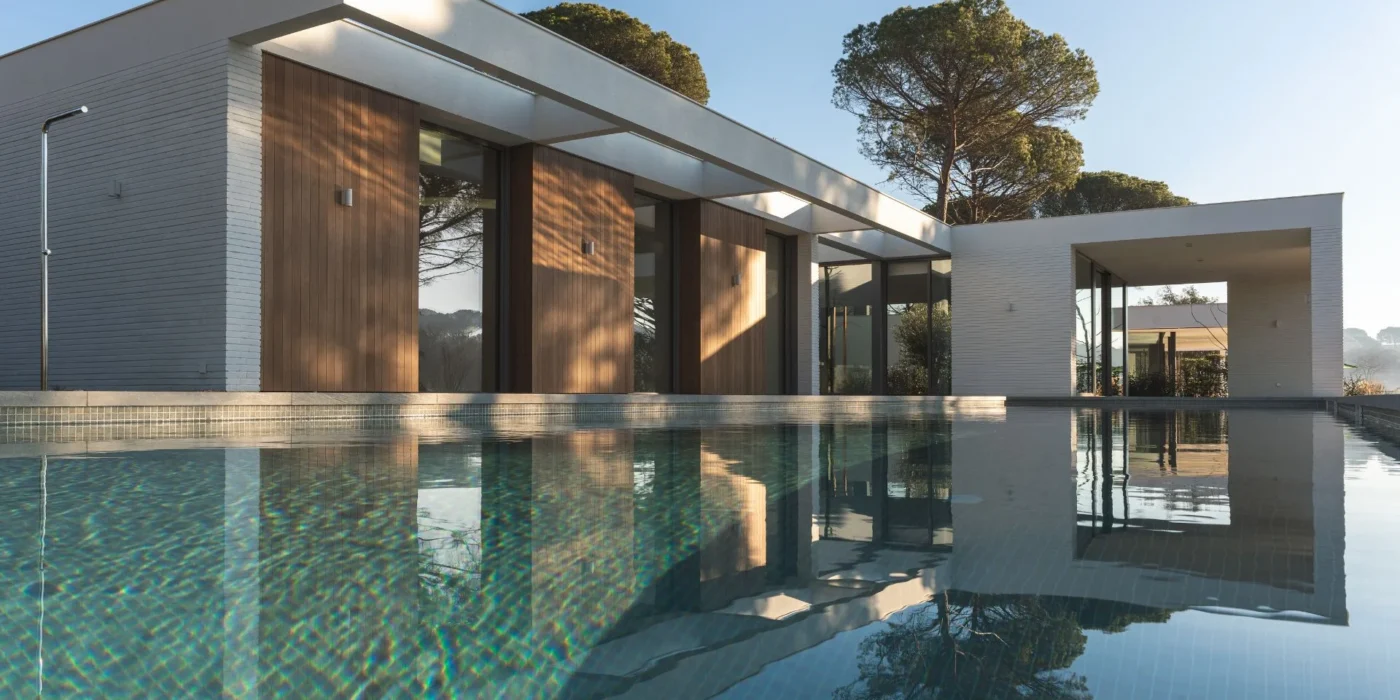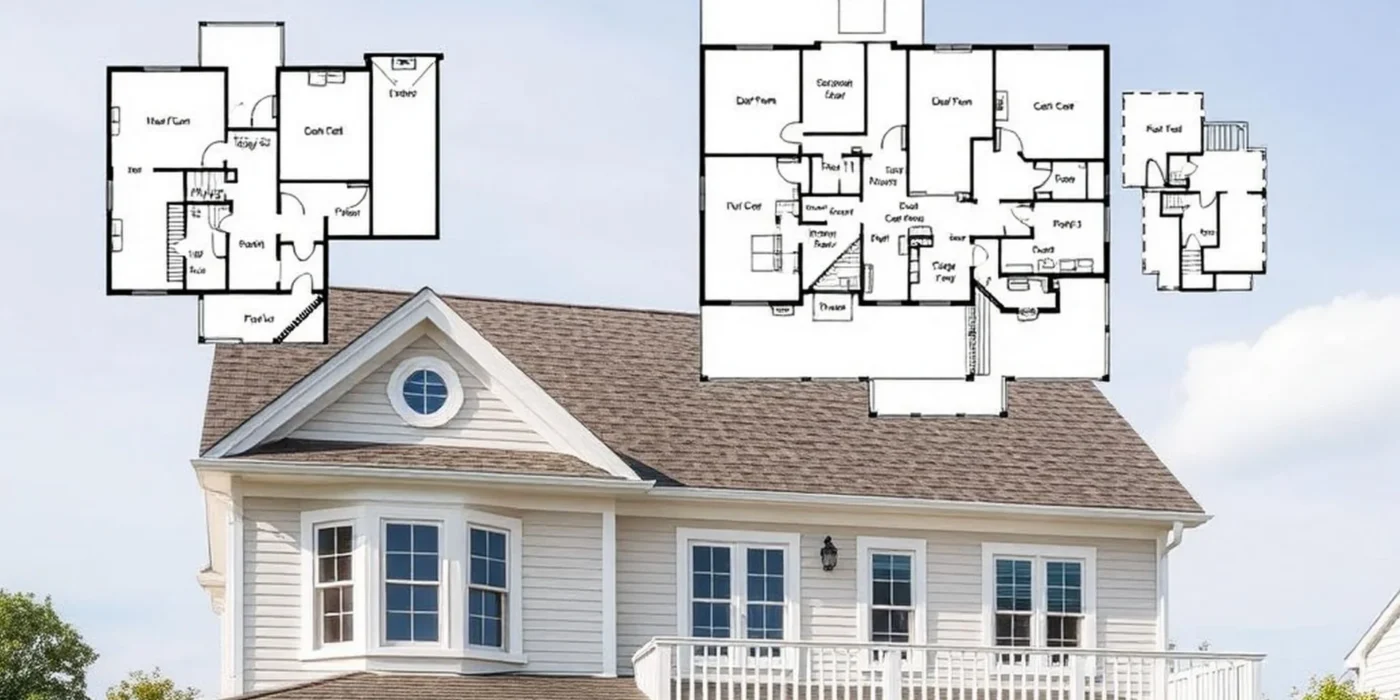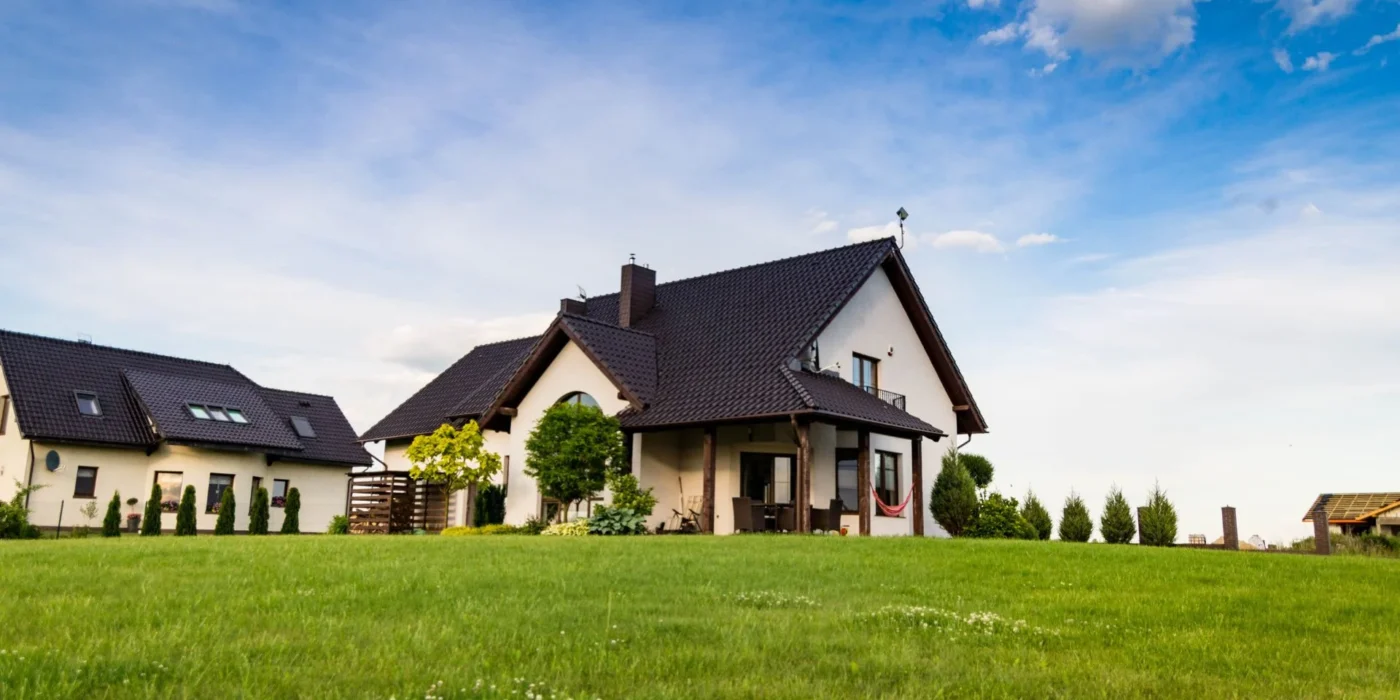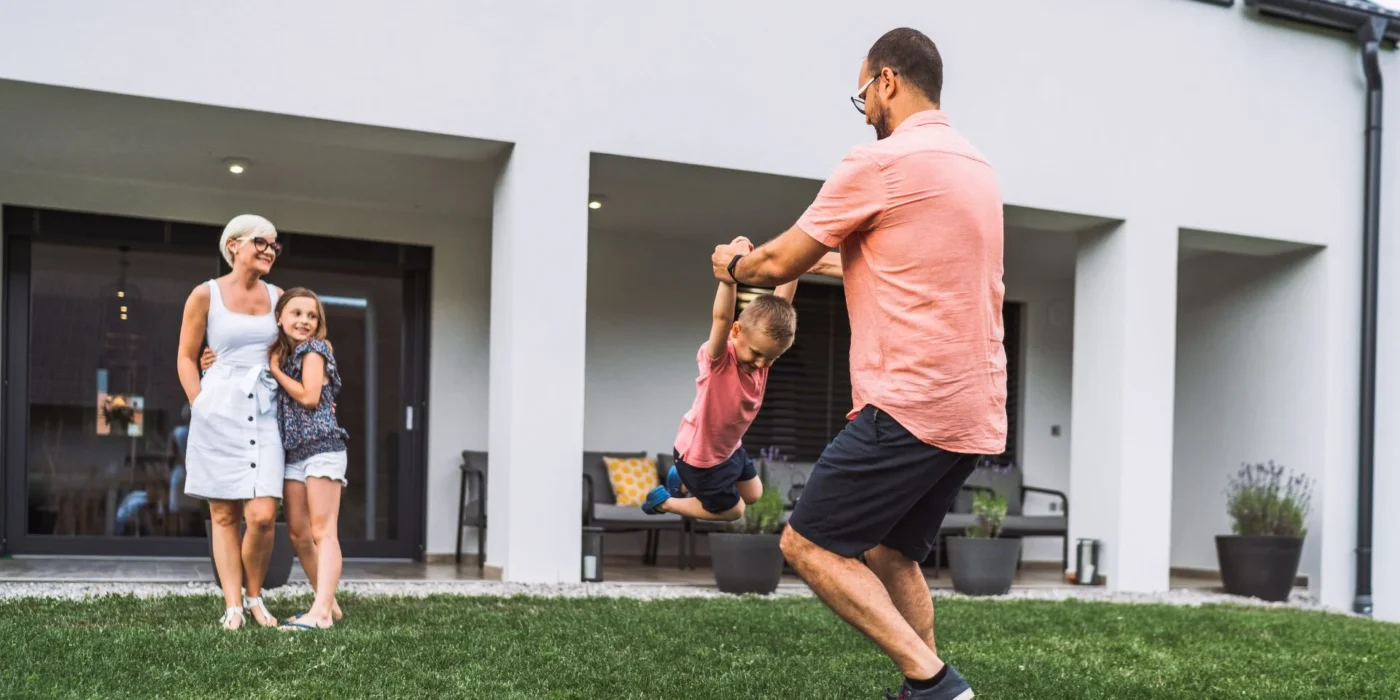
Premium Villas and Conventional Home
CategoriesBlog

Premium Villas vs. Conventional Homes: What Makes the Upgrade Worth It?

There comes a moment when a home starts feeling smaller than it used to. Not physically, maybe, but emotionally. The walls feel closer. Sounds travel faster. Privacy feels borrowed, not owned. That’s usually when the idea of upgrading enters the mind, especially the idea of moving into premium villas. Not as a distant dream, but as a serious, practical thought that keeps returning.

This blog takes a closer look at how villas differ from conventional homes, and why that upgrade often feels less like indulgence and more like a natural next step.


Space That Changes Everyday Living

Conventional homes are often designed for efficiency. Rooms fit furniture neatly, hallways stay compact, and everything works, technically. But living isn’t technical. It’s fluid. Premium villas approach space differently. Wider layouts, taller ceilings, and better proportions allow rooms to breathe.

That breathing room shows up in small moments. Kids playing without knocking into furniture. Work calls that don’t spill into family time. Guests staying over without the house feeling disrupted. It’s not about having more space for the sake of it. It’s about space working with daily life, not against it.


Privacy That Feels Natural

In many conventional homes, shared walls and close neighbours mean constant background noise. Windows stay half-closed. Outdoor time feels watched. Premium villas are designed to solve this quietly. Standalone structures, thoughtful orientation, and private outdoor zones create natural separation.

This kind of privacy isn’t just physical. It’s mental. Being able to sit outdoors, open a window, or move around freely without feeling observed changes how a home feels. There’s a sense of control. Calm. Ownership.


Design That Matches Real Life

Layouts in villas are often planned around real routines. Kitchens connect easily to dining spaces and gardens. Living rooms receive balanced daylight. Bedrooms are tucked away from noise. These decisions might not look dramatic, but they shape daily comfort.

Conventional homes usually follow standard templates. They function, but adapting them over time can be difficult. Villas, including premium villas, are typically planned with flexibility in mind. Rooms can change purpose. Spaces evolve with work patterns, family needs, and lifestyle shifts. That long-term adaptability is where the real value lies.


Materials You Feel Every Day

Higher-grade materials make a noticeable difference in daily life. Better insulation keeps rooms comfortable. Solid walls reduce noise. Floors age gracefully instead of wearing down quickly. Fixtures feel sturdy, not fragile.

Conventional homes often meet required standards, but budget constraints usually influence material choices. Over the years, maintenance has become more frequent. Repairs interrupt routines. Villas tend to reduce that friction. Comfort stays consistent, and the home feels dependable.


Outdoor Space That Actually Gets Used

Private gardens, terraces, and sit-outs become extensions of indoor living. Morning coffee outside. Kids playing safely within view. Quiet evenings under open skies without stepping out of the property. These moments add rhythm to everyday life.

In many conventional homes, outdoor space is shared or limited. Access feels restricted. Villas integrate outdoor areas into daily routines, making them usable, personal, and comfortable rather than ornamental.


Community Planning Makes a Difference

Villa developments usually focus on overall planning. Wider internal roads, controlled density, landscaped common areas, and better infrastructure create a calmer environment. The community feels intentional, not overcrowded.

Conventional housing often prioritises unit count. Over time, this affects traffic, noise, and even safety. Well-planned villa communities offer a quieter, more balanced atmosphere that supports long-term living, not just short-term convenience.


Lifestyle Returns Beyond Price

Homes in the villa segment often hold value well, partly because supply is limited and demand stays steady. But the bigger return is lifestyle. Better sleep. Less noise. More control over daily routines. These benefits don’t shout. They settle in quietly.

For many families, the decision to move into premium villas isn’t driven by status. It’s driven by the desire for ease. Life feels less compressed. Days feel smoother. The home supports living instead of complicating it.


Is the Upgrade Really Worth It?

For anyone who values space, privacy, flexibility, and long-term comfort, the upgrade often feels like a natural decision. Villas go beyond visual appeal or status. They’re designed to support everyday living as needs evolve, without constant adjustments or compromises. Over time, the extra breathing room, thoughtful layouts, and quieter surroundings add up, making daily life feel smoother, calmer, and far more comfortable than before.


Conclusion

The difference between villas and conventional homes goes far beyond appearance. It’s about how a space feels to live in, day after day. Premium villas are designed to reduce friction, offer privacy, and support evolving lifestyles with quiet confidence.

For many homeowners, the upgrade becomes worthwhile when a home stops feeling like a limitation and starts feeling like support. And when that happens, the choice feels less like a luxury decision and more like a practical one.
 

secluded villas
CategoriesBlog

Secluded Villas: Why Privacy Has Become the Most Valuable Luxury in Modern Living

There was a time when luxury meant shiny surfaces and showy entrances, the kind that whispered status before anyone even stepped inside. But somewhere along the way, something shifted. People stopped chasing things that sparkle and started craving things that soothe. Quiet corners. Uninterrupted mornings. A life that feels like it belongs only to them. And that’s exactly why secluded villas have become such a big deal. They let people breathe, disconnect, and live without feeling watched.

This blog dives into why privacy has become the real luxury everyone’s chasing and what makes these homes feel so special.


The Emotional Value of Being Unseen

Privacy isn’t just about walls or distance. It’s a feeling. A kind of calm that settles in when no one’s peeking into your world.

Modern life moves fast. Notifications buzz nonstop. Everything demands attention all at once. In the middle of that chaos, the idea of being unseen feels wildly comforting. When a space is truly private, the mind unwinds. Thoughts untangle. Stress stops tightening its grip.

That’s the magic people look for in their homes now. Not just beauty. Not just big rooms. But places that protect their inner life. Secluded homes create that buffer naturally. They’re tucked away from crowds, surrounded by silence, and designed to give residents a mental pause button whenever they need it.


How Modern Lifestyles Shape the Need for Privacy

Life today doesn’t leave much room untouched. Phones follow people everywhere. Work sneaks into weekends. The home has become an office, a school, a gym, and a social space all at once.

With so much activity packed under one roof, finding a true break becomes rare. That’s why the demand for deeply private home layouts is rising fast. People want spaces where they can close a door and feel the world fade out. Spaces where routines soften and energy resets.

This is where secluded villas shine. The separation between lively zones and peaceful corners feels intentional, not forced. Outdoor pockets like gardens or terraces provide mini escapes throughout the day. When a home supports your need for quiet just as well as your busy schedule, everything feels more balanced.


Why Space Matters More Than Size

Here’s a truth that surprises many. Size doesn’t create luxury. Space does. And the two aren’t the same thing.

Size is measured on paper. Space is felt in the body. A home can be large yet oddly cramped. Another can be modest yet feel airy and expansive. It all depends on how it’s designed.

The best villas use space to create privacy without relying on sheer scale. Thoughtful distances between rooms, smart use of windows, and open flow with nature make even smaller layouts feel retreat-like. The focus shifts from how big the home is to how peacefully it lives.

This is one reason people love secluded villas in particular. The surroundings add to the feeling of openness, making the home feel larger than its walls.


The Role of Architecture in Creating Privacy

Two houses can sit side by side and feel nothing alike. Architecture decides that difference.

Some design choices make privacy effortless, like:

  • Courtyard-style layouts that pull natural light inward
  • L or U-shaped plans that shield outdoor areas from view
  • Trees and water features are used as natural privacy screens
  • Windows placed for scenery, not exposure

These details eliminate the need for tall walls or heavy barriers. Privacy becomes woven into the layout instead of being an afterthought. And that’s what transforms a home from simply quiet to deeply personal.


The Luxury of Silence and Nature

Silence behaves like a luxury now. A rare one. Traffic, screens, conversations, notifications. Something is always talking.

Stepping into a home where the loudest sound is a breeze moving through leaves feels almost surreal. Nature becomes the softest kind of insulation, absorbing noise and adding peace. Birds, water, greenery. Small things that shift the entire emotional tone of a day.

This connection to nature does more than relax. It improves sleep, sharpens focus, and strengthens emotional balance. It’s no surprise people gravitate toward homes tucked away from dense neighbourhoods and busy roads.


Privacy as a Form of Personalisation

Modern luxury has nothing to do with showing off. It’s about shaping life the way you want it.

Privacy gives you that freedom. When no one’s watching, creativity opens up. Homes become deeply personal instead of generic. People build gym corners, meditation decks, hobby rooms, open-air lounges, or quiet work nooks. They design for who they are, not who someone expects them to be.

And that’s the beauty of secluded villas. They offer the canvas and the space to create a life that fits perfectly. No judgement. No pressure. Just a possibility.


The Shift in Investment Priorities

Homebuyers aren’t swayed by labels anymore. Luxury flooring doesn’t impress the way it once did. What people want is comfort that lasts.

Privacy is one of the few luxuries that grows more valuable each year. As cities expand and technology tightens its grip, protected spaces gain emotional and financial worth. Secluded villas stand out as long-term investments because they promise something timeless. A lifestyle that won’t go out of date.

They give owners stability, personal comfort, and strong future value. A rare combination in today’s real estate world.


Conclusion

Privacy has officially become the heartbeat of modern luxury living. Trends will shift, designs will evolve, but the desire for quiet, personal space keeps climbing. Secluded villas offer that rare mix of freedom, peace, and emotional comfort that no crowded neighbourhood can match. They invite people to live slower, breathe deeper, and build a sanctuary that reflects who they are. In a world that keeps getting louder, these private retreats prove that the most valuable luxury is often the simplest one.

villas with swimming pool
CategoriesBlog

The Ultimate Private Retreat: Designing a Villa With a Resort-Style Swimming Pool

Stepping into a backyard that feels like a boutique hideaway hits differently. There’s a quiet kind of luxury in living inside a space shaped for holiday mode, where every corner seems to slow the day down. A private villa with a swimming pool doesn’t just upgrade a home. It subtly shifts the rhythm of daily life, making ordinary moments feel like small escapes. The ambience changes, the air feels calmer, and the surroundings start whispering relaxation. 

This blog explores how to bring that resort feeling into a villa design and what truly makes a retreat feel private, soothing, and unforgettable.


Understanding the Soul of a Resort Style Pool

Every resort-style pool has a certain mood, almost like a personality. Some feel calm and slow, perfect for lazy afternoons. Others feel refreshed, almost playful. Before worrying about shapes or tiles, it helps to picture the feeling you want the space to hold.

Think natural. Resort pools rarely look overly constructed. They lean into curves instead of corners and use textures that bring the outdoors closer. Stone borders, soft greens, and layered plants make the space feel like part of the land rather than a manmade addition. It’s all meant to help the mind switch off. No rush. No pressure. Just quiet water doing its thing.

Visual harmony matters too. When the pool blends into the villa’s design, everything instantly feels more intentional. More seamless. More retreat-like.


Integrating Architecture and Water

A great pool never sits awkwardly apart from the home. It becomes part of the daily flow, almost like an outdoor room. When architecture and water speak the same design language, the whole place feels more open and alive.

Features like wide decks, open layouts, and long glass doors help the indoors spill into the outdoors. Suddenly, the view from the living room isn’t just scenery but an experience. Some day,s the pool catches morning light in a way that makes the whole house glow. On others, the water cools the evening air just enough to make stepping outside irresistible.

Movement around the space matters too. Pathways should feel natural. Seating should feel inviting. Every material, from wood to stone, should fit the vibe you want to create. If it feels peaceful, you’re on the right track.


Choosing the Right Pool Shape and Features

Every shape tells a story. Curves feel soft and natural, almost like a lagoon waiting quietly for you. Straight lines feel modern, crisp, and confident. The goal is simple. Let the pool match the villa’s personality instead of fighting it.

A few features can instantly elevate the experience:

  • A beach entry that lets you step in gently
  • Infinity edges that make the water disappear into the horizon
  • Waterfalls or bubbling jets that add soft sound
  • Built in seating for long, lingering conversations in the cool water

Small additions, big difference. Especially when designing the perfect private villa with swimming pool vibe in the middle sections of your dream layout.

Landscaping That Sets the Mood

Landscaping is what makes a pool feel like a resort instead of just a pool. Plants create mood. Lighting creates atmosphere. Texture ties everything together.

Tropical plants often work beautifully, giving privacy without feeling heavy. Palms, frangipani, and tall grasses create that gentle sway and softness associated with high-end resorts. Prefer a cleaner aesthetic. Structured greens and minimal layouts work just as well.

Night lighting transforms everything. Soft glows along pathways, under water lighting that dances at dusk, tiny uplights catching the edges of leaves. Suddenly, the backyard becomes a nighttime retreat, perfect for quiet breaks or late conversations. Add wooden decks or stone walkways, and the whole space starts to feel complete.

Maintenance matters. Choose plants that fit your climate so your retreat doesn’t become a chore.


Creating Spaces Around the Pool

A pool is great. A pool surrounded by thoughtful spaces is unforgettable. These corners shape how people use the area, how they relax, how they gather.

Lounge beds, shaded daybeds, outdoor dining spots, or a simple bar counter can make hours slip away without noticing. A fire pit or hammock adds character and charm. Shade is essential in warmer regions. Pergolas, canopies, or natural tree cover help keep the area comfortable at any time of day.

When each space matches the villa’s style, the whole layout feels intentional, like a little resort that just happens to be home.


Balancing Luxury With Practicality

Beauty is important, but practicality keeps the experience enjoyable for years. A resort-style pool is most effective when it’s both stunning and easy to maintain.

Smart filtration systems, safe walking surfaces, and user-friendly maintenance tools make everything smoother. Saltwater pools are a popular choice because they’re gentle on skin and easier to maintain. Energy-saving features like LED lighting or solar heating also help make the space more sustainable.

Luxury should feel effortless, not exhausting.


Conclusion

Designing a villa around a resort-style swimming pool is really about creating a private world. A calm, soothing place that feels like an escape from everyday noise. When architecture, landscaping, and thoughtful features come together, the result is a private villa with swimming pool that feels both luxurious and deeply personal. It becomes a retreat. A sanctuary. A space that holds memories and moments worth slowing down for.

Big Villas ComeBack
CategoriesBlog

Why Big Villas Are Making a Comeback: Space, Freedom & The New Way Families Live Today

For a while, many believed that smaller meant smarter. Compact homes, tight layouts, everything neatly optimised in the name of “efficiency”. It sounded convincing, at least on paper. But real life doesn’t always fit into tidy floor plans. Over time, families began craving something different a bit more breathing room, a little quiet, a sense of freedom. That’s when the charm of big villas eased its way back into conversations, subtle at first, then impossible to ignore.

This blog explores why spacious living is becoming the new normal again.


Space Means More Than Square Feet

There’s a funny thing about space. People think it’s all about numbers, but anyone who’s lived in a cramped layout knows it’s more of a feeling. A kind of mental exhale.

Families want homes where movement feels natural. Not a sideways shuffle between furniture. Not a reminder every few minutes that the walls are too close together. Just easy, everyday flow.

And villas do that. They let rooms breathe. They let people breathe. A study turns into a hobby room without stress. A spare bedroom becomes a quiet late-night workspace. Kids can be kids without every noise bouncing across the home. It’s less about size and more about the freedom to shift things around as life changes. Because life always does.


Privacy Has Become A Real Luxury

Privacy used to be something people assumed they had. Until shared walls, echoing hallways, and constant background noise made it very clear they didn’t.

Villas fix this without trying too hard. More distance between rooms. More separation between everyday chaos and quiet corners. Guests don’t walk straight into the main living area. Conversations stay private instead of travelling through ceilings.

And the best part? Different generations can live together without stepping on each other’s routines. Grandparents can rest. Kids can play. Adults can work. All under one roof, without the clash.


A Shift Toward Healthier Living

There’s been a slow but steady shift toward homes that actually make people feel good. Natural light. Fresh air. Bits of greenery. Rooms that don’t feel boxed in. Villas tend to tick all those boxes without effort.

Even a small garden becomes a daily ritual. Morning stretches on the grass. A cup of tea outside. A pause that feels earned. Indoors, sunlight spreads more easily when rooms aren’t stacked too tightly. Air flows better, too.

And when a home feels healthy, families do too. Meals become shared moments. Kids move more. People talk more. Screens feel less tempting when the house encourages real living.


The New Way Families Use Their Homes

Homes aren’t just homes anymore. They’re offices, classrooms, gyms, hosting spaces, and quiet corners for sanity breaks. Daily life has layers now, and houses need to support that. This is where big villas shine.

Families get to carve out dedicated spaces instead of overlapping everything into one room. A workspace that doesn’t double as a dining table. A study area that stays a study area. A guest room that doesn’t need to be “converted” every time someone visits.

And these spaces shift with time. A toddler’s playroom becomes a reading corner. A gym becomes a studio. The layout grows with the people living in it, which is something many modern families appreciate more than ever.


The Desire for Personal Expression

There’s also a growing need for homes to feel personal. Not cookie-cutter. Not identical to the twenty others stacked above and below. Villas make room for that individuality. Literally.

Each room can have its own mood. Furniture doesn’t have to be squeezed. Art doesn’t compete with storage. Even décor choices feel more expressive because they don’t fight for space. It’s less about decorating and more about creating a story. A home starts feeling like a reflection rather than a compromise.


The Emotional Comfort of Space

Here’s something many people don’t say out loud: space affects emotions. Walk into a high-ceiling room and notice how the mind relaxes a little. Sit in a quiet corner with nothing pressing against your shoulders, and suddenly the day feels lighter.

Villas give families that emotional cushion. Noise softens. Movement flows. People naturally spend more time together when they don’t feel cramped in shared spaces. And maybe that’s why the pull toward villas doesn’t feel like a trend. It feels like a return to comfort.


Conclusion

The comeback of big villas isn’t about luxury in the traditional sense. It’s about the freedom to live without bumping into limits every day. Families want homes that adjust with them, support their routines, and give them room to simply exist without pressure. Spacious living meets all of that with ease.

As lifestyles evolve, the appeal of open, generous layouts keeps growing. And no matter how trends shift, the comfort offered by big villas doesn’t lose its relevance. It feels familiar, grounding, and just right for the way people live today.

Luxury Family Villa
CategoriesBlog

What Truly Defines A Luxury Family Villa? A Complete Guide To Space, Comfort & Modern Living

A home is more than its walls, floors, or architectural lines. It holds your routines, your silences, your celebrations and the simple rituals that build a life. When families begin looking for a place that enhances their day-to-day living, the search naturally evolves toward spaces that offer more room to grow, breathe and feel settled. This is where the idea of a luxury family villa begins to stand apart.

The appeal does not come from extravagance alone. It comes from balance. A luxury family villa blends thoughtful planning, functional comfort and a sense of openness that is often missing in high-density living. It serves as a space where each family member can enjoy privacy, yet still share the comfort of being connected under one roof.

This guide breaks down the key elements that define a truly premium villa lifestyle, from design and space planning to comfort, amenities and the subtle touches that elevate everyday life.

1. The True Meaning of Spacious Living

Space is often the first quality buyers think of, yet the way space is designed matters even more. A villa is not defined by size alone. It is defined by the experience it creates.
Large, open layouts allow natural light to move freely across living areas. High ceilings provide a feeling of ease. Wide corridors, well-planned bedrooms and flexible spaces for work or hobbies ensure every corner serves a purpose. Families appreciate the quiet comfort of having room to grow without feeling cluttered.
Key indicators of well-planned spaciousness include:

  • A generous foyer or entry point that creates a calm transition indoors
  • Living and dining spaces that support both family time and private downtime
  • Bedrooms positioned to maximise privacy
  • Dedicated corners for study, entertainment or recreation
    When these features align, comfort becomes an effortless part of daily living.

2. Smart Design That Supports Modern Family Life

The modern home must adapt to changing routines. Hybrid work schedules, digital learning, multi-generational living and shifting lifestyle habits all influence how a villa should function.

A thoughtfully designed villa supports these needs through versatile spaces instead of rigid layouts. For example, one room may operate as a home office during the day and transform into a den or guest room when required. The kitchen may integrate both high-efficiency appliances and enough counter space to support family cooking sessions. Storage, often overlooked, becomes a silent essential that shapes how organised a home feels.

A successful villa design does not follow trends blindly. It ensures that the architecture makes everyday tasks easier and more intuitive.

3. Privacy, Tranquillity And The Value of Personal Space

Many families move toward villa living because high-rise environments cannot match the tranquillity of a low-density community. The ability to wake up without the noise of traffic or the pressure of crowded elevators contributes significantly to emotional well-being.

A well-designed villa creates privacy through:

  • Strategic placement of windows
  • Thoughtful landscaping that shields outdoor spaces
  • Sound-insulated walls
  • Multiple relaxation zones indoors and outdoors

This privacy enhances the feeling of ownership. Families can fully enjoy their terraces, balconies and gardens without intrusion. The result is a healthier, calmer living experience.

4. Comfort Is Built On Small Details That Matter Every Day

Luxury is often assumed to be grand, but in a villa, it shows up in the finer details. The quality of materials, the durability of fittings and the smoothness with which a home functions create long-lasting comfort.
Details that define comfort in a premium villa often include:

  • High-quality flooring that feels good underfoot
  • Adequate ventilation and well-placed windows
  • Climate-responsive design that reduces heat and improves air flow
  • Ergonomic bath and kitchen fittings
  • Smart home features that enhance security and convenience

These elements may not always be visible at first glance. Yet they shape the experience of living in the home every single day.

5. Outdoor Spaces That Nurture A Healthier Lifestyle

One of the most defining advantages of villa living is the connection it builds with the outdoors. Private gardens, sit-outs, verandas and terraces provide a space to relax, unwind or spend time with loved ones. Children can play without restrictions. Adults gain a quiet corner for morning tea, reading or weekend gatherings.

Many villa communities today also integrate larger shared outdoor amenities including:


  • Walking paths
  • Community parks
  • Natural landscaping
  • Fitness areas or sports courts
    These shared spaces add value without crowding the personal property. For families, the combination of private and community outdoor zones builds a healthy balance between independence and social connection.

6. The Midpoint: What Sets A Luxury Family Villa Apart

Somewhere in the heart of these features lies the essence of a luxury family villa. It is not defined by price tags or decorative choices. It is defined by how comfortably a family can live, how naturally the home adapts to change and how effortlessly beauty and practicality merge into one space.
Families today look for homes that stay relevant for years, not just the present moment. A villa, when thoughtfully designed, becomes that long-term anchor.

7. Community, Connectivity And A Sense of Belonging

A villa is more than an isolated home. It is part of a larger environment that influences quality of life. Safe internal roads, well-planned layouts, reliable security infrastructure and organised community areas contribute to a sense of belonging.
Good connectivity matters as well. Proximity to schools, healthcare, daily conveniences and key business hubs plays a significant role in long-term comfort. A beautiful villa surrounded by poorly developed infrastructure often cannot deliver the experience families expect.
Balanced community planning ensures families enjoy privacy at home and convenience outside it.


Conclusion

At its core, modern luxury is practical, mindful and rooted in comfort. A luxury family villa is defined by how well it supports the rhythms of everyday living, how thoughtfully it offers space to grow and how naturally it blends privacy, openness and quality.

Families are seeking homes that do more than impress. They want homes that make life easier, healthier and more meaningful. A villa that combines smart design, spacious interiors, long-term durability and a nurturing environment becomes a place where families can build their best future.

In the end, luxury is not about excess. It is about balance, intention and the quiet pleasure of living in a space that truly feels like home.


open vs closed layout plan
CategoriesBlog

Open vs. Closed Floor Plans: Which One Suits Your Home?

Choosing a floor plan isn’t just another checkbox in the journey of building or buying a home. It quietly shapes the rhythm of everyday life. How meals come together. How guests gather. How evenings feel when the house finally settles. As lifestyles shift and modern home plans keep redefining comfort, the debate between open and closed layouts has become much more than a design preference. Each option brings its own energy, its own advantages, and its own compromises.

This blog explores how both layouts work, where they shine, and which one might genuinely match the way you live.


Understanding the Open Floor Plan

Walk into a home with an open setup, and you instantly notice the feeling of space. Light travels further. Movement feels natural. The living room blends into the dining area, which blends into the kitchen. It’s all connected. For families who like staying in each other’s orbit even when doing different things, this layout works beautifully. And during gatherings, guests drift around comfortably instead of being stuck in one corner.

Some reasons people love open layouts include:

  • Plenty of natural light
  • A roomier feel, even in compact home plans
  • Better interaction during cooking, entertaining, or family time 

Where Open Layouts Struggle

Sound travels. A lot. Someone chopping vegetables can be heard during a video call. Kids playing can echo across the entire home. And since everything is visible, even small clutter feels amplified. Many households also realise they need at least one quiet corner for focus, something much harder to achieve in a fully open layout. Noise tends to flow freely from one space to another, privacy becomes limited for work or study, and cooking aromas drift everywhere without much control.

The Case for Closed Rooms

A closed kitchen stays a kitchen. A study stays a study. A living room feels like its own cosy bubble. This kind of organisation supports families with varied routines, especially when someone needs silence while others need space to move around. Closed designs also make climate control easier since each room can be cooled or lit differently without wasting energy.

Closed layouts are appreciated for:

  • Clear zoning of everyday activities
  • Strong privacy for remote work or reading
  • Reduced noise travelling between rooms 

Where Closed Layouts Fall Short

Still, more walls can sometimes mean less freedom. Some closed layouts feel tight, especially when windows don’t bring in enough natural light. Moving from room to room may feel slightly fragmented, and during gatherings, people often end up in separate pockets instead of staying connected. 

Homes with several smaller rooms usually need extra lighting, and furniture placement becomes more restricted compared to open concepts. Many homeowners describe a slightly boxed-in feeling, rooms that seem darker than expected, and far less flexibility when it comes to rearranging furniture.


Which Layout Supports Your Lifestyle

Think about your everyday rhythm. Do you love the buzz of people moving around together? Or do you prefer cosy, defined pockets of space? Does your kitchen stay neat, or does it turn into a creative explosion of spices and dishes during cooking? Do kids need their own corner to study while someone else takes calls? These tiny details pick sides pretty quickly.

Here’s a quick way to reflect:

  • Do you thrive in airy, open spaces or calm, divided ones?
  • Does your home need quiet areas for work?
  • Do you cook often and want smells contained? 

Somewhere in this process, you’ll notice which layout supports your version of living. And yes, the keyword floor plan naturally becomes the anchor of this choice.

The Hybrid Approach: A Blend That Works

Plenty of homeowners end up choosing neither extreme. They go hybrid. A mix of open and closed spaces can feel surprisingly balanced, especially in modern luxury house plans and compact home plans alike. You might keep the living and dining areas open but close off the kitchen, or create a flexible room with sliding doors that shift it from open to private whenever needed. 

This approach adapts beautifully as routines change throughout the day. Hybrid layouts often feature semi-open kitchens with partial walls, multiuse rooms that serve as workspaces or guest areas, and sliding or pocket doors that allow spaces to open up or separate instantly.


Thinking Ahead Before You Decide

Will the household grow? Will work-from-home remain a part of life? Will older parents move in later? Luxury house plans often include adaptable rooms for this very reason. Even smaller home plans can stay flexible with smart design choices. Homes evolve, and the layout should be ready for that evolution.

Future-friendly planning includes:

  • Additional rooms that can shift roles
  • Built-in storage to keep areas functional
  • Layouts that remain comfortable as needs change 

Conclusion

Open and closed layouts each bring something valuable to a home. Open designs create light, flow, and togetherness, while closed ones support privacy, structure, and calm. The right floor plan ultimately depends on your daily rhythm, your long-term needs, and the kind of atmosphere you want to live in. Whether you choose fully open, closed, or a smart hybrid, the best choice is the one that makes your space feel effortless, warm, and genuinely yours.


urban country yard in villa
CategoriesBlog

The Rise of Private Courtyards: Reclaiming Open Space in Urban Villas

Ever noticed how a home instantly feels different the moment it opens up to the sky? That quiet shift, that sudden sense of breath and ease, is the magic of the courtyard villa, a design approach that’s becoming a lifeline for people craving space and calm in packed cities.

Cities are louder, tighter, and far more rushed than they used to be. No wonder everyone’s hunting for something softer. A little air. A little quiet. A small place where the mind isn’t constantly colliding with concrete. Private courtyards offer that escape, tucked safely inside the home where the outside world can’t interrupt. 

And that’s exactly what this blog is here to explore: how these courtyards are reshaping modern urban living and why they matter more than ever.


The Return of the Inner Sanctuary

Courtyards aren’t a trend that suddenly appeared. They’ve been around for centuries, and for good reason. Homes across cultures used them as the heart of the house, a quiet place where sunlight and silence coexisted. That idea is returning now, only with a modern touch.

These spaces feel like a small escape. A place where the outside world fades just a little.

Homeowners turn to courtyard spaces because they offer:
• Bright, natural light even in dense neighbourhoods.
• A private outdoor nook where noise drops instantly.
• A slice of greenery without stepping onto the street.

It’s a simple concept. Bring nature closer. Keep the chaos out.


Light and Air That Don’t Need Effort

Here’s the thing about city homes. Tall buildings, narrow lanes, and boundary walls can swallow sunlight whole. Ventilation? Sometimes it barely makes it through a window. A villa courtyard changes the story instantly.

Because courtyards sit right at the center of the home, light finds its way deeper inside, and air moves more freely. Rooms stop feeling boxed in. Everything feels lighter and far more open.

Designers use courtyards to brighten dull corners, channel natural airflow that cools the home throughout the day, reduce dependence on artificial lighting,  and introduce a sense of spaciousness even in compact layouts. A home that breathes well feels alive, and that’s exactly what these central open spaces quietly deliver.


A Pocket of Green in a Concrete Maze

Green spaces in cities are becoming rare. And when they exist, they’re shared with hundreds of other people. A private courtyard brings nature back into the home, where it belongs.

Before exploring how people use them, it helps to understand why this greenery matters. Plants soften a home. They cool the air, calm the mind, and break the monotony of urban living.

Homeowners shape their courtyard gardens in all kinds of ways:
• Small flowering gardens or fruiting plants that thrive in natural light.
• Green walls that cool the space and add texture.
• Water features with soft, relaxing sound.
• Seating corners that feel like a gentle hideaway.

In the middle of a noisy city, this one green pocket becomes the home’s quietest friend.


Social Spaces That Stay Private

Here’s a familiar problem. How do you create social areas in a villa without giving everyone a front-row view of the neighbourhood? Courtyards solve that beautifully.

They become semi-outdoor spaces that still feel completely personal.

Before getting into ideas, picture this. A courtyard where friends gather on a breezy evening. A space where kids can play without leaving the safety of the home. Moments like that are what make courtyard living so appealing.

People often use these areas as:
• Casual dining spaces under the open sky.
• Lounge seating for guests and family.
• Safe play zones for kids.
• Transition zones between rooms that don’t feel shut off.

The villa courtyard is flexible. It shifts with the occasion, always ready without compromising privacy.


Making Compact Villas Feel Larger

Space is precious in cities. Most homeowners don’t get endless square footage. But courtyards make homes feel much bigger without physically expanding them.

These open spaces create visual depth. Rooms suddenly have something beautiful to look at instead of a plain wall.

Some of the biggest benefits include:
• Larger-feeling rooms because they open into an airy central space.
• Corridors that no longer feel squeezed or dark.
• Smooth visual flow between indoor and outdoor areas.
• Extra height and openness without increasing the footprint.

It’s impressive how a single open-to-sky square can change the entire perception of space. And this is where the courtyard villa design often shines the most.


A Healthier, Calmer Way of Living

Private courtyards offer more than aesthetics. They influence lifestyle in a meaningful way. Natural sunlight lifts mood, fresh air energises the body, and greenery quietly helps stress fade into the background.

It helps to think about how homes have changed. People now work, rest, and recharge inside the same four walls, which makes spaces that support wellbeing more important than ever.

These courtyards bring in more sunlight that boosts energy, create cleaner air through natural ventilation and plants, and provide peaceful corners for meditation, reading, or yoga. They also help reduce heat buildup during warm seasons, making the home feel cooler and more comfortable. The result is a living space that takes care of its people rather than simply sheltering them.


Conclusion

The rise of private courtyards isn’t a trend that will fade. It’s a response to what city living has taken away: peace, greenery, and room to breathe. And that’s why the courtyard villa has become such a powerful design choice for modern homeowners. Whether used for sunlight, gatherings, greenery, or quiet reflection, the villa courtyard brings freedom and openness back into everyday life.

In a world growing busier by the day, these spaces gently remind us that open sky, silence, and fresh air still belong at home.


villa designing for senses
CategoriesBlog

Designing for the Five Senses: How Multi-Sensory Architecture Enhances Everyday Living

Ever stepped into a room and felt an instant shift in mood without knowing what caused it? That’s the quiet influence of multisensory architecture, a design approach that shapes how spaces feel, not just how they look. Sometimes it calms you, sometimes it sharpens your senses, but it always leaves an impression that goes deeper than decor.

Architecture isn’t just walls and beams. It’s a living experience. People see a space, sure, but they also hear it, touch it, smell it, and sense the way it guides their behaviour. When all five senses work in harmony, even a simple room transforms into something far more meaningful than a layout on paper.

This blog is here to explore: how the five senses come together to create environments that feel alive, intentional, and deeply connected to everyday living.


Sight: The First Story a Space Tells

Sight is the sense people rely on most, so it usually sets the emotional tone of any space. And honestly, it’s wild how much a few visual decisions can change the whole vibe. Ever been in a room with harsh lighting? It practically pushes you out. But soft, warm lighting now that invites you in.

A few things usually help:
• Light that feels natural, not clinical. Windows that pull sunshine in instead of blocking it.
• Spaces that don’t confuse the eye. Balance, even in a subtle way, keeps the room from feeling chaotic.
• Colours that match the mood. Neutrals for peace. Greens and blues when relaxation is the priority.
• And the magic trick: a view. Even a small one. Something green, open, or calm.

Sight guides the emotion of a space long before anything else does. It’s the quiet storyteller.


Sound: The Sense People Don’t Notice Until It Goes Wrong

Sound is sneaky. When it’s good, nobody talks about it. When it’s bad, it ruins everything. Echoes in a living room. A noisy corridor. A kitchen that turns every clink into a performance. Sound shapes comfort more than people admit.

Designers often fix this by adding soft surfaces, placing loud functions away from quiet ones, and using materials that absorb echoes. Some homes introduce gentle water sounds or soft background elements. Not in a dramatic way, just enough to make the brain relax without noticing.

Good sound design feels like silence with character. Calm, clear, natural. A must-have in fancy house plans and any luxury home design where peaceful living is the whole point.


Touch: The Most Honest Sense of All

Touch never lies. Smooth marble. Warm wood. A cool metal handle. A soft rug under tired feet. Even with eyes closed, a space can be felt through textures and temperature.

The smallest details create the biggest comfort:
• Natural materials with their own rhythm.
• Contrasts that make everything feel richer. A soft cushion next to a sleek metal lamp, for example.
• Rounded edges that feel gentle instead of sharp.
• Flooring that your feet actually enjoy walking on.

Touch makes a space human. People remember how something felt long after they forget what it looked like.


Smell: The Memory Maker

Smell is powerful. One scent and the brain goes, “Oh, this feels like home.” Or a spa. Or a holiday. Scent shapes memory faster than any other sense.

And yet the secret is subtlety. The best spaces rely on natural cues:
• Fresh breeze flowing through cross-ventilation.
• Indoor plants that clean the air and add their quiet fragrance.
• Materials like leather, raw wood, or natural fabrics that have their own soft scent.
• Gentle scent pockets for certain areas like kitchens or relaxation corners.

Smell doesn’t need to be dramatic. A light, clean, natural atmosphere does more than strong perfumes ever could.


Taste: Not About Food, But About the Space Around It

Taste in architecture isn’t about flavours, obviously. It’s about shaping environments where eating feels better, slower, and more intentional. Dining spaces influence mood, appetite, and conversation.

Warm lighting helps people relax into meals. Comfortable seating encourages longer chats. Proximity to greenery makes dinner feel fresher. And beautifully organised kitchens make cooking feel less like a chore and more like something enjoyable. No wonder luxury home design often prioritises spacious, welcoming dining zones that feel connected rather than isolated.

Taste is a sensory experience amplified by the room around it. When the environment supports it, meals feel richer in every sense.


Bringing the Senses Together: Where the Real Magic Happens

Here’s the thing: no space relies on just one sense. They all blend. And that’s where multisensory architecture comes alive.

A bright room means little if it echoes. A fragrant space won’t feel right if it’s visually chaotic. A gorgeous kitchen won’t inspire good meals if the seating feels awkward. Every sense pushes the others into harmony.

And when everything aligns, the space feels intentional. Personal. Effortless. The kind of environment people describe when they talk about fancy house plans that don’t just look gorgeous on paper but actually feel good to live in. Great design focuses on how life happens, not just how things look.


Conclusion

Designing for the five senses turns simple rooms into living, breathing environments. It’s the heart of multisensory architecture, and it’s what separates memorable spaces from forgettable ones. Whether it’s sight, sound, touch, smell, or taste, each sense shapes daily experiences more than people realise. And when all of them work in sync, the result feels a lot like thoughtful luxury home design rather than decoration for decoration’s sake.

Homes become more comforting. More expressive. More human. Even fancy house plans benefit when the senses lead the way. Because real beauty isn’t just seen. It’s felt, heard, breathed in, and lived.


buying own villa
CategoriesBlog

Decoding Buyer Psychology: What Today’s Homebuyers Really Value in a Property

Property buying used to be pretty straightforward. You checked the price, the location, and maybe the size, and that was basically it. But things have changed. Today’s home-seekers walk into a property with a whole different mindset, paying attention to things you can’t always measure on a checklist. And understanding the psychology real estate depends on understanding what’s happening in their heads when they step into a space. What they notice. What they feel. What makes them pause? 

This blog breaks down what modern buyers truly look for and why some homes instantly feel “right” while others quietly miss the mark.


Homes That Feel Like They Fit Your Life

People don’t want homes that feel stiff or staged. They want places that feel lived in, or at least livable. Something that quietly whispers, “Yeah… you could belong here.” Homes today are expressions of personality. Not trophies.

  • Flexible layouts
    • Light that flows easily
    • Spaces that feel natural, not forced

And yes, buyer preferences have shifted toward layouts that help them live more comfortably, not more impressively.


Open Spaces That Actually Make Sense

You know what buyers love? Homes that don’t make them fight with the floor plan. Nobody wants awkward corners or rooms that feel like afterthoughts. Buyers want spaces that support everyday life. Moments. Moods.

They look for open living that feels breathable, storage that blends in naturally, and layouts that genuinely support family time, work needs, and those quiet pockets of downtime. It’s one reason people exploring luxury properties Bangalore prefer designs that flow effortlessly instead of spaces that look good only in photos.


A Real Connection to Nature

Here’s the thing. People crave breathability. A bit of green. A small moment of silence with a cup of chai on the balcony. Little things that refresh the mind.

Natural spaces calm people. And they know it.

  • Balconies or terraces with sunlight
    • Green pockets inside the community
    • Views that don’t feel claustrophobic

This is also a huge influence on buyer preferences today, especially in busy cities.


Privacy That Feels Genuine

Buyers these days want something simple: peace. And real privacy. Not “closing your curtains and hoping for the best” privacy. A home should feel like a retreat. A small personal world.

They’re looking for:
• Quiet surroundings
• Healthy distance from noise
• Private corners inside the home

When people explore luxury properties Bangalore, this is often one of the first things they ask about.


Tech That Makes Life Easier, Not Complicated

Here’s a funny shift. Buyers don’t always want the fanciest tech. They want the most usable tech. Convenience beats complexity every time.

They look for things like easy lighting and AC control, security systems that actually feel reliable, and smart features that blend naturally into daily life. It’s about effort saved, not gadgets installed.


Communities That Match Their Values

They want places where they can imagine their evenings, their weekends, their relationships. A place where stepping outside your door feels good.

  • Safe, calm neighborhoods
    • Relaxed social spaces
    • A feeling of belonging

This is where psychology real estate quietly kicks in. People need emotional comfort before they say yes to a home.


A Home That Can Adapt to Their Future

Life changes. And people know it. Homebuyers now look for properties that won’t become inconvenient three or five years down the line. It’s like buying a car that still feels right when your life speeds up.

  • Rooms that can change purpose
    • Durable materials
    • Designs that stay relevant

This future-thinking approach is becoming a big part of buyer preferences today.


Emotional Security Over Flashiness

Ask any buyer what really matters, and eventually they’ll say it: “I want to feel settled.” That’s it. Emotional comfort. A place that makes them breathe easier. Homes are emotional anchors now.

People want a safe place to come back to, a sense of stability, and a home they can genuinely grow into. It might sound soft, but emotionally grounded buyers often become the most committed buyers.


Transparency That Builds Trust

Modern buyers are sharp. They research. They question. They compare. And they can sense sales talk from a mile away. They want builders and agents who are upfront. Straightforward.

  • Clear pricing
    • Honest details
    • Realistic expectations

This trust factor plays a huge role in why buyers choose some luxury properties Bangalore over others.


The Story the Home Makes Them Imagine

This is the secret ingredient in most buying decisions. A home must stir something inside. A tiny spark. Can the buyer imagine Sunday mornings here? Late evening conversations? Their future kids running across that living room?

A home that triggers imagination sells faster than a home that simply lists features. That’s how most decisions get made, even if buyers don’t admit it.


Conclusion

Today’s buyers aren’t choosing homes based only on size or price. They’re choosing spaces that speak to their identity, their values and their emotional needs. They want comfort, flexibility, authenticity and a sense of belonging. Understanding psychology real estate helps developers, marketers and agents create homes that resonate on a deeper level. Because in the end, people don’t buy properties. They buy possibilities, feelings and future stories they can see themselves living in.


owning villa Emotional attachment
CategoriesBlog Uncategorized

Beyond ROI: The Emotional and Legacy Value of Owning a Villa

Buying a villa is usually seen as this big, grown-up milestone. People get excited about appreciation, resale value, rental income, and all that. Important stuff, sure. But if you’ve ever stepped into a quiet backyard at sunrise or hosted a long family dinner that somehow stretches into midnight, you know there’s more to villa ownership than a spreadsheet can measure. A villa holds pieces of your life that money just can’t label.

In this blog, we’ll explore how a villa becomes more than property and turns into a space filled with meaning, memories, and legacy.


A Home That Feels Like You

Here’s the thing about a villa: it’s one of the few places in the world that actually shifts to match your personality. Not the other way around.

You’re not squeezing your life into someone else’s walls. You’re shaping the walls to fit the life you want. A little corner for your morning chai, a reading spot that no one else understands, a garden that grows exactly the way you pictured. It slowly becomes an extension of you, almost like a portrait you live inside.

  • Freedom to shape every corner your way
    • A sense of stability that’s hard to describe but easy to feel
    • Control over your own space, on your own terms


Where Relationships Settle and Grow

A family villa often becomes a gathering spot without you even planning it. One day, you’re hosting your cousin “just for lunch”, and before you know it, the house is filled with laughter, long stories, and maybe even that one uncle who always falls asleep on the sofa. Moments like these just don’t fit as easily in compact homes.

You get more time with the people who matter, spaces that naturally pull everyone together, and the comfort of hosting without ever feeling short on room. Some memories don’t need grand plans, just space.


Nature Steps Into Your Routine

Morning sunlight slipping through big windows. Real air. Actual silence. These things slowly start changing how you feel every day. You find yourself pausing more. Breathing differently. Noticing things.

I once heard someone say, “I didn’t know I needed a little patch of green until I owned it.” Makes sense, doesn’t it?

People in villas often enjoy:
• Gardens, terraces, or tiny green pockets
• A calmer environment that lets your mind settle
• A natural nudge toward a healthier lifestyle


Privacy That Feels Like Luxury

If you’ve lived in apartments before, you know the drill. Sounds travel. Walls feel thin. Privacy becomes a negotiation. Villas flip that around completely.

You get real space, real quiet, and real boundaries. And that kind of privacy isn’t just about locking your door. It’s about knowing you can sit outside with a cup of coffee and think your own thoughts without interruption.

You begin to focus better on work or creative projects, deal with fewer unwanted noises, and enjoy a sense of peace that slowly settles into your daily habits.


A Slower, More Intentional Life

Here’s where villa ownership hits differently. Villas naturally encourage a slower rhythm. Not lazy. Just intentional. You start giving time to things you never had space for before.

Maybe you start a mini herb garden. Or you pick up reading again. Or you finally make room for a home gym that isn’t squeezed between the bed and the cupboard. It’s your routine, shaped your way.

  • More mindful mornings and unhurried evenings
    • Space for hobbies to actually exist
    • A healthier balance without forcing it


A Place That Carries Your Family’s Story

Ask anyone who grew up in a family villa, and they’ll tell you how the place becomes a character in the story. It’s where birthdays happened, fights happened, make-ups happened and life happened.

A villa doesn’t just store memories. It absorbs them. Bit by bit, it becomes part of your identity and part of everyone who lives in it.

  • Kids grow up feeling deeply rooted
    • Traditions find a home and continue naturally
    • The house itself becomes a symbol of belonging


Legacy That Outlives You

This is where the emotional value suddenly gains depth. A villa isn’t just something you “leave behind”. It becomes part of your family’s timeline.

Legacy villas do more than shelter people. They carry stories. They hold the values you lived with. They give future generations a sense of continuity, even if they never met you.

  • A long-term asset with personal meaning
    • A quiet reminder of your life’s milestones
    • A symbol of stability for children and grandchildren

And yes, some families even pass down legacy villas not as investments, but as a way of saying, “This is where it all started.”


The Kind of Belonging Money Can’t Measure

There’s a warmth that comes with knowing a space is entirely yours. A villa becomes a safe place where life slows down long enough for you to notice it. This feeling often becomes the most priceless part of owning a home.

It’s why many people hold onto legacy villas for generations. Because they’re not just buildings. They’re anchors.


Conclusion

A villa may begin as an investment decision, but it rarely stays that way. It becomes a place that shapes your lifestyle, your relationships, and your rituals. It holds stories, captures memories, and eventually grows into the kind of family villa that you offer to the next generation with pride. And that’s why the real value of villa ownership doesn’t show up on financial reports. It shows up in the lives built inside it.