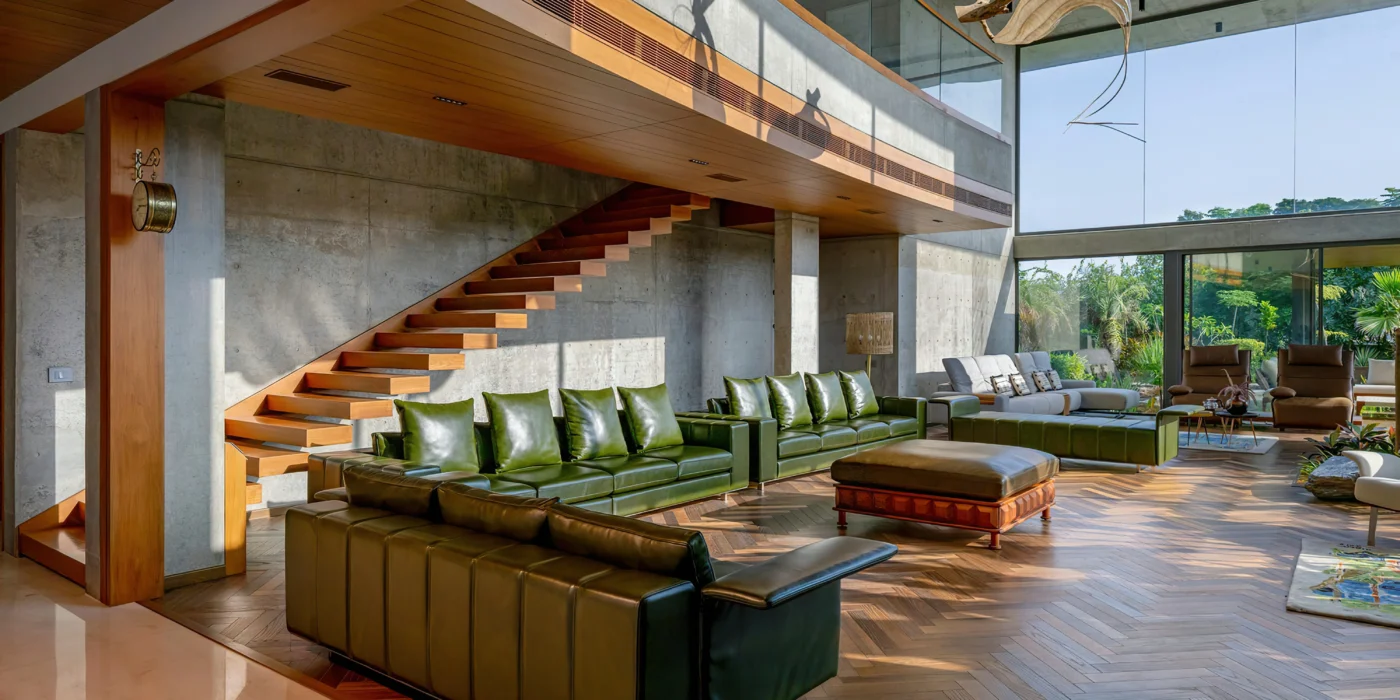

Premium Villas Construction Approach
CategoriesBlog

Why Premium Villas Require a Different Construction Approach Than Apartments

At first glance, homes are homes: concrete, steel, walls, finishes. Yet the moment one steps into a premium Home, the difference between Premium Villas and Apartments is felt almost immediately. It is not only about space or price, but about how the structure supports privacy, comfort, and long-term living. This distinction begins much earlier than design brochures; it starts at the construction stage itself.


Villa construction follows a mindset that is fundamentally different from apartment-led development. The priorities shift from repetition and scale to individuality and longevity. That shift changes everything, from planning decisions to on-site execution.


This blog looks at why premium villas demand a different construction approach than apartments, and how those differences shape quality, experience, and value over time.


The Core Difference Begins With Purpose Premium Villas vs Apartments Begins


Apartments are built for density. premium Villas are built for permanence.


Apartment construction focuses on creating multiple homes within a single structure, optimising vertical space, shared services, and uniform layouts. Efficiency is essential, and repetition plays a central role in keeping projects viable.


Premium villas, on the other hand, are designed as independent living environments. Each home stands on its own, both structurally and experientially. Construction decisions must account for this independence at every level.


Structural Planning Is Far More Individualized Premium Villas


In apartment construction, structural grids are repeated floor after floor. Columns, beams, slabs, and services follow a predictable rhythm. This repetition allows faster execution and tighter cost control.


Villa construction breaks away from this pattern. Each villa often has:


  • Unique plot orientation and setbacks
  • Varying elevations and roof designs
  • Individual foundation considerations
  • Non-uniform load distribution


Structural planning becomes site-specific rather than template-driven. This requires deeper coordination between architects, engineers, and execution teams.


Foundations and Ground Interaction Matter More for Apartments


Apartments distribute loads across a shared foundation system. The interaction with the ground is collective.


Premium villas interact with the land individually while apartments aren’t. Soil testing, foundation depth, drainage, and plinth levels are often customised per unit. This is especially important in villa communities with landscaped plots, slopes, or natural contours.


The ground is not just a base, it is part of the living environment. Construction must respect that relationship.


Privacy Demands Better Detailing


Privacy is a defining feature of premium villas. Achieving this requires careful construction detailing that apartment projects often do not prioritise.


This includes:


  • Thicker walls and slab treatments
  • Strategic placement of openings
  • Acoustic separation between spaces
  • Controlled sightlines within the plot


These elements may seem subtle, but they significantly affect how a home feels over time. Precision on-site becomes non-negotiable.


Services Are Not Shared, They Are Personal


In apartments, services are shared vertically and horizontally. Plumbing stacks, electrical risers, and ventilation shafts serve multiple units. Maintenance and upgrades follow collective systems.


Villas require independent service planning. Each home typically has its own:


  • Electrical distribution
  • Water supply and storage
  • Sewage and drainage routing
  • Rainwater management systems


This independence improves reliability but increases construction complexity. Errors affect one household directly, leaving little margin for oversight.


Finishing Standards Demand More Time and Control


Premium villas are judged heavily on finishes. Floor levels, joinery alignment, surface textures, and material transitions are all under scrutiny.


Apartment projects often standardise finishes across units, allowing faster installation and easier quality checks. Villas, however, frequently include customised finishes or variations.


Execution teams must slow down, inspect more carefully, and coordinate trades with greater precision. Rushing becomes visible quickly.


Outdoor Spaces Are Part of the Home


Apartments treat outdoor areas as balconies or shared amenities. Villas integrate outdoor space into daily living.


Construction must account for:


  • Landscaping interfaces with built structures
  • Decking, pergolas, and boundary treatments
  • Outdoor lighting and drainage
  • Long-term maintenance of green areas


These elements are built, not added later. Poor coordination here affects usability and aesthetics for years.


Quality Control Cannot Be Centralized


Apartment construction allows centralised quality control. Teams can inspect similar work repeatedly across floors.


Villa projects require decentralised inspection. Each unit becomes its own mini project. This demands experienced supervisors who understand that no two villas are exactly alike.


Consistency in quality comes from discipline, not repetition.


Timelines Are Shaped Differently for Premium Villas vs Apartments


Apartment construction progresses vertically, often in predictable cycles. Once a rhythm is established, timelines become easier to manage.


Villa construction progresses horizontally. Multiple units move through different stages simultaneously. Coordination becomes more complex, especially when external works and landscaping overlap with building activities.


Managing this complexity requires detailed planning and flexibility on-site.


Why Buyers Feel the Difference


The construction approach directly affects how buyers experience their homes later. Premium villas feel calmer, quieter, and more personal because they were built with that intention.


Small details add up:


  • Better thermal comfort
  • Reduced noise transfer
  • Stronger sense of ownership
  • Lower long-term maintenance stress


These outcomes are not accidental. They are the result of construction choices made early.


Cost Is Not Just About Materials


It is tempting to compare villas and apartments purely on cost per square foot. This comparison misses the deeper picture.


Villa construction invests more time per unit, more supervision, and more coordination. The cost reflects effort, not excess.


For buyers, this translates into homes that age better and adapt more easily to changing needs.


Differences Become Clear Midway Through the Project


By the midpoint of a project, contrasts between villa construction and apartment construction are visible on-site. Apartment sites feel systematic. Villa sites feel layered.


This layering is intentional. It allows craftsmanship to coexist with engineering, and flexibility to coexist with structure.


It is also why premium villas often carry stronger long-term value.


Conclusion


Premium villas are not apartments spread across land. They are a different category altogether. The way they are built determines how they live, breathe, and evolve over decades. premium Villa construction prioritizes individuality, durability, and comfort, while apartment construction focuses on scale and efficiency.


When executed with care, premium villas deliver a living experience that feels intentional rather than assembled. That difference is rooted not in design alone, but in a construction approach that respects space, privacy, and time. Understanding this distinction helps buyers see beyond layouts and elevations, and appreciate the craftsmanship that truly defines premium living.
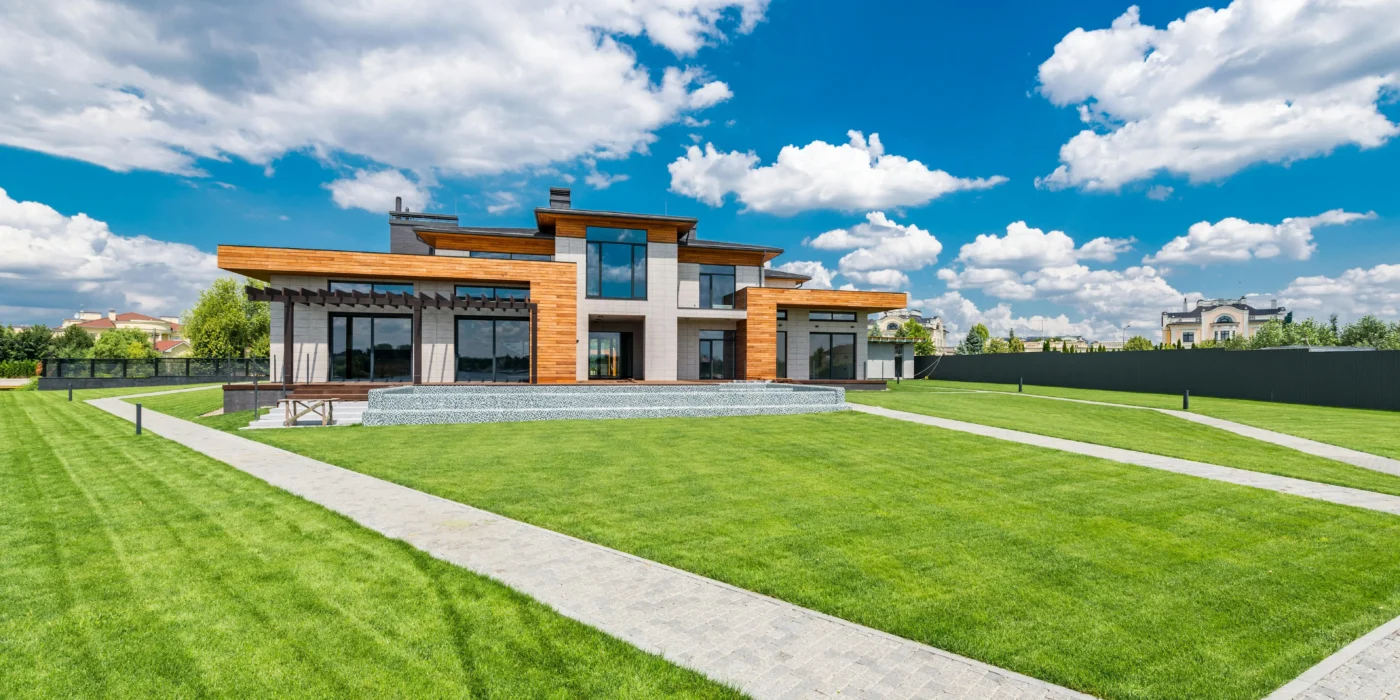

 

Premium Villa
CategoriesBlog

What Makes a Villa Project Truly “Premium” Beyond Marketing Claims

When it comes to the real estate landscape, the word “premium” is used generously. Almost every brochure, website, and site visit promises an elevated lifestyle, refined living, and long-term value. Yet, when you look closely, not every villa project that claims to be premium truly delivers on that promise. The difference often lies beneath the surface, in decisions that are not always visible in glossy renders.


For discerning buyers, especially those investing for the long term, understanding what actually defines a premium villa project is essential. It goes beyond surface-level luxury and focuses on planning, execution, materials, and intent.


This blog explores the real factors that separate genuinely premium villa developments from those that rely mainly on marketing language.


Location is More Than a Pin on the Map


A premium villa project begins with location, but not in the simplistic sense of proximity alone. True premium value considers the long-term evolution of the area.


Key indicators include:


  • Infrastructure development plans, not just current road access.
  • Surrounding land usage, ensuring future developments do not compromise privacy or views.
  • Accessibility to social infrastructure like schools, healthcare, and work hubs, without being embedded in congestion.


A well-chosen location quietly protects lifestyle quality and resale value over decades, not just during the launch phase.


Master Planning That Prioritizes Living, Not Density


One of the most overlooked aspects of premium villas is master planning. Unlike apartments, where vertical density is expected, villas demand thoughtful spatial distribution.


What sets superior planning apart:


  • Adequate spacing between homes to ensure privacy.
  • Road widths designed for comfort, not just compliance.
  • Logical zoning of amenities to avoid noise spillovers into living areas.
  • Natural light and ventilation considered at the layout stage, not as an afterthought.


Premium living is felt in how space flows, not in how many features are packed in.


Construction Quality That Withstands Time


Marketing often highlights finishes, but premium construction quality is rooted deeper. Structural integrity, material selection, and execution standards matter far more than surface aesthetics.


In a well-built villa project, you will notice:


  • Use of high-grade concrete mixes and steel, even where not visible.
  • Proper waterproofing systems for terraces, bathrooms, and foundations.
  • Attention to soil testing and site preparation before construction begins.


This is where a villa project quietly proves its worth, especially five or ten years down the line.


Architecture That Serves Daily Life


Premium architecture is not about dramatic facades alone. It is about how the home functions every day.


Thoughtful design choices include:


  • Proportions that feel balanced, not overwhelming.
  • Staircases placed for ease and safety, not just visual impact.
  • Bedrooms designed for privacy and acoustic comfort.
  • Kitchens planned around workflow, storage, and ventilation.


Good architecture respects routine. It anticipates real usage patterns rather than idealized lifestyles shown in brochures.


Material Selection With Purpose


In quality villas, materials are chosen for durability and performance, not just initial appearance. This applies to flooring, doors, windows, fittings, and even landscaping elements.


Premium material decisions often show up as:


  • Natural stone or engineered alternatives chosen based on climate suitability.
  • High-quality window systems that improve insulation and reduce noise.
  • Hardware and fittings sourced from reliable manufacturers with long-term availability.


These choices reduce maintenance costs and preserve visual appeal over time.


Execution Consistency Across the Project


One hallmark of premium development is consistency. Every villa, corner, and common area reflects the same level of attention.


Signs of consistent execution include:


  • Uniform construction standards across all units, not just sample villas.
  • Landscaping that matures gracefully rather than being rushed for launch.
  • Common amenities built with the same material and quality standards as private spaces.


In contrast, projects driven mainly by marketing often show sharp contrasts between show units and delivered homes.


Infrastructure That Supports Comfortable Living


Premium villas rely on strong internal infrastructure, much of which remains invisible once completed.


This includes:


  • Robust water management systems, including rainwater harvesting and storage.
  • Well-designed sewage and drainage networks to prevent long-term issues.
  • Electrical planning that supports modern loads and future upgrades.


These systems form the backbone of everyday comfort and are difficult to retrofit later.


Builder Intent and Track Record


The mindset of the developer plays a critical role. Luxury home builders who focus on long-term brand value tend to invest more deeply in quality, even when it increases upfront costs.


What to evaluate:


  • Past projects and how they have aged.
  • Transparency in specifications and contracts.
  • Willingness to discuss construction processes, not just finishes.


Intent reveals itself in how much detail a builder is willing to explain before a sale is closed.


Community Experience, Not Just Amenities


Premium living is also about the community that forms within a project. Amenities alone do not create this experience.


A well-planned community considers:


  • Walkability within the project.
  • Spaces that encourage interaction without forcing it.
  • Privacy boundaries that allow residents to choose solitude or connection.


These subtle elements influence daily satisfaction far more than large but underused clubhouses.


The Middle Ground Between Luxury and Practicality


In the middle of the evaluation process, buyers often realize that true premium value sits between extravagance and practicality. A villa project that balances refined design with sensible decisions usually outperforms one focused purely on visual luxury.


This balance is where quality villas stand apart from generic luxury homes that prioritize short-term appeal.


Long-Term Value Beyond Handover


The final test of a premium villa is how it performs after possession. Maintenance requirements, community management, and structural stability become clear only with time.


Projects designed with longevity in mind tend to:


  • Age gracefully rather than deteriorate visibly.
  • Require fewer corrective interventions.
  • Retain demand in both resale and rental markets.


This long-term perspective is often missing from developments driven mainly by launch-phase marketing.


Conclusion


A premium villa project is not defined by buzzwords or launch-day visuals. It is shaped by location foresight, thoughtful planning, disciplined construction, and a clear intent to deliver lasting value. When these elements come together, the result feels premium not because it claims to be, but because it functions better every single day.


For buyers evaluating a villa project, looking beyond marketing claims and understanding these deeper indicators helps ensure that the investment aligns with both lifestyle aspirations and long-term security.


Construction Transparency Builds Buyer Confidence in Villa Projects
CategoriesBlog

How Villa Construction Transparency Builds Buyer Confidence in Villa Projects

Buying a villa is rarely an impulsive decision. It involves long conversations, financial planning, and a quiet hope that what is promised today will still stand strong years later. In this context, villa construction updates play a larger role than many developers initially realise. They are not just progress reports, they are signals of intent, reliability, and respect for the buyer’s trust.


In recent years, homebuyers have become far more observant. They ask sharper questions, look beyond brochures, and pay attention to how openly a project communicates its progress. Transparency during construction has slowly shifted from being a value addition to an expectation.


This blog explores how transparent construction practices shape buyer confidence, influence long-term trust, and redefine what ethical real estate development looks like in villa projects.


Why Transparency Matters More Than Ever Today


The real estate market has matured. Buyers today have access to information, peer reviews, and past project histories within minutes. In this environment, silence creates suspicion, while clarity builds comfort.


Construction transparency reassures buyers that timelines are realistic, quality standards are consistent, and commitments are being honoured. It reduces the emotional distance between the developer and the buyer, replacing uncertainty with visibility.


When buyers feel informed, they feel included. That inclusion changes the entire ownership journey.


What Construction Transparency Actually Includes


Transparency is not limited to sharing photos once in a while. It is a structured approach to communication that reflects honesty at every stage of the build.


In villa projects, transparency often includes:


  • Regular construction updates with real site visuals
  • Clear explanations of milestones achieved and upcoming phases
  • Honest communication about delays, if any, along with revised timelines
  • Visibility into materials, workmanship, and approvals


This level of openness signals confidence in the process itself. Developers who build well usually have nothing to hide.


Reducing Anxiety Through Predictable Communication


One of the biggest emotional challenges for buyers is waiting. villa Construction timelines stretch across months, sometimes years. Without updates, this waiting period becomes stressful.


Consistent communication transforms waiting into watching progress. Buyers begin to understand the rhythm of construction, when certain stages take time, and why patience is sometimes necessary.


This predictability directly supports buyers’ confidence, because uncertainty is often more damaging than delays themselves.


Transparency as Proof of Process Discipline


Well-managed villa construction sites follow systems. These systems reflect how information is shared. Developers who maintain transparency usually have strong internal processes, clear documentation, and disciplined execution.


When buyers see structured updates rather than vague reassurances, it reinforces the idea that the project is being run professionally. Over time, this builds belief not just in the current project, but in the brand as a whole.


Transparency becomes proof that the developer values accountability.


The Role of Transparency in Quality Perception


Quality is not always visible immediately, especially during early villa construction stages. Structural work, foundations, and services are hidden once completed. Transparent communication helps buyers appreciate these invisible efforts.


By explaining why certain stages matter, or why timelines cannot be rushed without compromising standards, developers educate buyers rather than simply informing them.


This shared understanding leads to greater patience and trust, particularly in premium villa projects where long-term performance matters more than short-term speed.


Building Trust Beyond the Handover Date


Trust does not end at possession. Buyers remember how they were treated during construction long after they move in. Projects that maintain openness during development often see stronger word-of-mouth recommendations later.


Transparency also sets expectations clearly. Buyers who understand construction realities are less likely to feel misled or disappointed later.


This approach aligns closely with ethical real estate practices, where honesty is not a marketing tool but an operating principle.


Project Challenges and Honest Conversations


Every Villa construction project faces challenges. Weather disruptions, supply delays, or regulatory processes are part of the industry. What distinguishes trustworthy developers is how these challenges are communicated.


Transparent developers address issues early, explain their impact, and outline corrective actions. This honesty often strengthens buyer relationships rather than weakening them.


Buyers appreciate realism. It signals maturity and respect.


Transparency and Long-Term Brand Equity


For developers focused on long-term presence rather than quick sales, transparency becomes an investment. Each well-communicated project adds to a track record that future buyers notice.


In villa developments, where buyers often invest significant savings, reputation matters deeply. Transparent practices create consistency across projects, reinforcing credibility over time.


This consistency is what separates transactional builders from relationship-driven brands.


Digital Tools and the New Standard of Openness


Technology has made transparency easier and more expected. Site walkthrough videos, progress dashboards, and documented milestone updates are increasingly common.


When used thoughtfully, these tools enhance engagement rather than overwhelm buyers. The goal is clarity, not constant noise.


Digital construction updates, when aligned with real progress, become powerful trust-building tools rather than promotional content.


Transparency as a Shared Responsibility


While developers lead the process, transparency also encourages buyers to engage more constructively. Informed buyers ask better questions, understand timelines, and participate with realistic expectations.


This mutual understanding reduces friction and creates smoother project journeys for both sides.


In many ways, transparency turns buyers into informed stakeholders rather than distant observers.


Conclusion


In villa projects, confidence is built long before keys are handed over. It is built through consistent communication, honest progress sharing, and respect for the buyer’s need for clarity. Construction updates serve as the bridge between promise and delivery, shaping perceptions at every stage.


When transparency becomes a habit rather than an obligation, buyers feel secure, engaged, and valued. This trust strengthens buyers’ confidence and reinforces the foundations of ethical real estate development. In the long run, transparent construction is not just good practice, it is good business, and one of the strongest signals of reliability in a competitive market.


Construction Phasing Impacts Project Quality
CategoriesBlog

How Villa Construction Phasing Impacts Project Quality and Timely Delivery

In any large-scale build, quality and timelines rarely fail because of ambition. They usually falter due to how the work is sequenced. The order in which activities unfold on-site quietly determines whether a project moves forward with control or constantly plays catch-up. This is especially true in complex residential developments where multiple teams, materials, and approvals intersect daily and timely Villa project delivery.


A well-structured construction execution plan is often the difference between a site that feels calm and predictable and one that feels rushed and reactive. When phasing is done right, progress becomes visible, risks are reduced naturally, and quality has room to settle in rather than being forced at the end.


This blog explores how thoughtful construction phasing influences build quality, reduces delays, and supports smoother Villa project delivery across long project timelines.


What Construction Phasing Really Means on Site


Construction phasing is not just a schedule broken into parts. It is a strategic decision-making framework that determines when each activity begins, overlaps, pauses, or concludes. Good phasing considers more than dates. It accounts for labor availability, material lead times, inspections, weather exposure, and even site logistics.


In practical terms, effective phasing ensures that:


  • Teams are not stacked on top of each other competing for space
  • Materials arrive when they can be installed, not stored indefinitely
  • Quality checks happen progressively, not as a rushed final step


This approach allows work to flow rather than pile up, which has a direct impact on consistency and safety.


Why Poor Phasing Leads to Compromised Quality


When construction phases are compressed or misaligned, quality often suffers quietly at first. Structural work may be rushed to accommodate finishing timelines. Services like plumbing and electrical may be forced into partially complete spaces. Finishing trades then inherit problems they did not create.


Some common quality risks from poor phasing include:


  • Inadequate curing time for concrete and masonry
  • Rework caused by overlapping trades
  • Surface finishes applied before moisture levels stabilize
  • Limited access for proper inspections


These issues do not always show immediately, but they surface later as maintenance complaints, performance failures, or structural fatigue.


Phasing as a Tool for Risk Management


Construction sites are dynamic environments. Weather shifts, supply delays, and workforce changes are inevitable. Strong project execution planning uses phasing to absorb these disruptions without derailing the entire timeline.


For example, dividing work into clearly defined structural, services, enclosure, and finishing phases allows adjustments within one phase without cascading into others. It also makes contingency planning more realistic, since each phase has its own dependencies and buffers.


When risks are isolated instead of spread across the site, corrective action becomes faster and more precise.


The Role of Phasing in Timely Delivery


Timely Villa project delivery is rarely about speed alone. It is about predictability. Projects delivered on time typically follow a rhythm where progress is steady and measurable rather than dramatic and uneven.


Effective phasing supports this rhythm by:


  • Creating realistic milestones that reflect site conditions
  • Preventing idle time caused by unresolved prerequisites
  • Allowing parallel work only where coordination is strong


In residential projects, especially villa construction, phasing helps align external works like roads and landscaping with internal finishing so handovers feel complete rather than rushed.


How Phasing Improves Coordination Across Teams


Construction involves dozens of specialized teams. Without clear phasing, coordination becomes dependent on constant supervision and firefighting. Phasing replaces guesswork with clarity.


When teams know exactly when their scope begins and ends, accountability improves. It also reduces friction between contractors, since responsibilities are defined by phase boundaries rather than verbal instructions.


Well-communicated phasing plans typically lead to:


  • Fewer disputes over site readiness
  • Better adherence to quality checklists
  • Improved morale due to reduced uncertainty


This clarity matters over long project durations, where fatigue and confusion can otherwise build up.


Project Adjustments Without Chaos


No project follows its original plan perfectly. What matters is how adaptable the structure is when change becomes necessary. Phasing allows adjustments without dismantling the entire workflow.


For instance, if material delivery for a specific finish is delayed, a phased plan may allow work to progress in adjacent areas without affecting critical paths. Without such segmentation, delays tend to ripple unpredictably.


This flexibility is one reason why strong construction execution plans are often revisited and refined during the build, not treated as static documents.


Quality Control Embedded Into Phases


One of the most overlooked benefits of good phasing is how naturally it supports quality control. Inspections, testing, and approvals become part of the workflow rather than interruptions.


Instead of inspecting everything at the end, quality checks can be aligned with phase completions, such as:


  • Structural audits after framework completion
  • Services testing before wall closures
  • Waterproofing inspections prior to finishes


This layered approach catches issues early, when corrections are still manageable.


Long-Term Performance Begins with Phasing


Buildings age based on how they were constructed, not how quickly they were completed. Proper sequencing allows materials to perform as intended, systems to integrate cleanly, and finishes to settle without stress.


In residential developments, this directly affects long-term comfort, maintenance costs, and structural integrity. Phasing may feel like an internal planning detail, but its outcomes are visible for decades.


Why Phasing Deserves More Attention Early On


Many project issues traced back to execution could have been avoided with more attention to sequencing during planning stages. Phasing decisions made early influence procurement, staffing, and even design coordination.


Strong project execution planning treats phasing as a strategic tool, not an administrative one. It aligns ambition with realism and ensures that quality is built progressively rather than inspected at the end.


Conclusion


Construction success is rarely accidental. It is built phase by phase, decision by decision. When sequencing is thoughtful, quality becomes consistent and timelines become reliable. When it is neglected, even well-funded projects struggle.


A robust construction execution plan creates the structure needed for teams to perform at their best, particularly in complex builds like villa construction where coordination and finish quality matter deeply. By respecting the role of phasing, projects are not only delivered on time but delivered with confidence, durability, and intent.


Approval-Compliant Projects Protect Homebuyers in the Long Run
CategoriesBlog

Why Approval-Compliant Projects Protect Homebuyers in the Long Run

Buying a home is exciting. Like, proper heart-racing excitement. New space, new beginnings, new possibilities. But let’s be honest, it’s also scary. Because this isn’t a pair of shoes you can return if the fit feels wrong. That’s why smart first time homebuyer looking at villa projects in Bangalore (or anywhere, honestly) should pay close attention to approvals. Not the glossy brochure. Not the fancy model villa. Approvals. Because approval-compliant projects don’t just look good today. They protect you later. When real life happens.

And that’s exactly what this blog is going to talk about: why approval-compliant projects are the safest long-term choice for homebuyers, especially in a fast-growing market like Bangalore.


What “Approval-Compliant” Really Means And Why It’s a Big Deal

Approvals sound boring, right? Paperwork. Stamps. Government offices. That one file that’s always missing one document. But approvals are not “extra.” They’re the legal backbone of a property.

When a project is approval-compliant, it means the builder has the required permissions from relevant authorities and the construction follows the approved plan and regulations. That includes things like land documentation, plan permissions, and the clear legal right to build what’s being sold.

In simple terms: The villa isn’t just built. It’s built legally. And that’s the difference between a home that feels secure and a home that feels like a gamble.

Because when approvals are missing or incomplete, the risk doesn’t end after possession. It grows. Quietly. Until it becomes a headache no one asked for.


Why Non-Compliant Projects Feel Fine Until They Don’t

Non-compliant homes rarely look risky at first glance. That’s what makes them dangerous.

The project might look premium. Interiors might be done beautifully. The sales pitch will sound confident. And the pricing? Tempting. Almost too tempting.

And then someone thinks: “If it’s already standing, what’s the problem?”

That’s where trouble begins.

Non-compliance usually shows up later. Sometimes during resale. and during the loan process. often, when civic authorities decide to check documentation. It’s like buying a car without clear papers. It runs fine today, but one stop at the wrong checkpoint and boom. Stress.

Here’s what can happen with non-compliant properties:

  • Legal disputes related to land or permissions
  • Problems getting bank loans or transfers
  • Difficulty during resale due to missing documentation
  • Penalties, sealing notices, or mandatory changes
  • Utility connection issues in some situations
  • Delays in receiving important completion-related certificates

And the worst part? Most of this doesn’t show up on Day 1. It shows up when life gets busy. When money is tight. around quick resale is needed. particularly buyers least need drama.


Approval Documents Are Your Real “Ownership Proof”

Real homeownership means being able to live there without fear, sell without begging, and transfer without confusion. And for that, documentation matters.

Approval-compliant properties typically come with clear project approvals and related paperwork that prove the home’s legal standing.

This usually includes:

  • Approved building plan
  • Completion-related certification (as applicable)
  • Occupancy-related certification (as applicable)
  • Clear land records and ownership documentation
  • No hidden violations against sanctioned plans

Now imagine the opposite.

Want to sell the home later? Buyers ask for approvals.

Want to take a loan? Banks ask for approvals.

Want to register the property smoothly? Approvals again.

This is why builders of top-tier projects Bangalore always highlight approvals. They know it’s not optional. It’s the trust factor.


Money Matters: Compliance Protects Your Loan, Resale, and Future Value

Let’s get practical for a second. Approval compliance is not just about legality. It’s also about your finances.

Banks don’t like risk. And they don’t finance uncertainty. That’s why approval-compliant properties are generally easier to finance, easier to insure, and easier to sell.

When project approvals are in place, a buyer benefits in ways that feel subtle now… but massive later:

  • Smoother home loan processing
  • Better buyer confidence in the resale market
  • Fewer legal checks are blocking transactions
  • Higher long-term value stability
  • Faster closing during resale

And yes, resale matters.

Because nobody buys thinking they’ll sell soon. But life has a habit of surprising people. Job change. Family needs. Investment reshuffle. Sudden expenses. Anything.

A home should be an asset, not a trap.

And that’s why serious buyers in villa projects Bangalore pay extra attention to compliance, not just floor plans.


Compliance Isn’t Just Legal. It Often Improves Safety and Liveability Too.

Here’s something people don’t talk about enough.

When builders follow approvals, they often follow planning norms too. Things like setbacks, ventilation, access routes, drainage planning, and structural discipline. Not always perfect, but generally more accountable.

Approval-compliant homes are more likely to have:

  • Proper open spaces around the villa
  • Better ventilation and natural light planning
  • Safer internal road widths and movement space
  • More organised utilities and drainage systems
  • Construction aligned with approved drawings

Meanwhile, non-compliant construction often cuts corners. Not just in paperwork. In actual building discipline, too.

And these cuts show up later as:

seepage, awkward layouts, parking confusion, poor ventilation, and that constant feeling of “something was rushed here.”

In premium projects Bangalore, liveability is a big selling point. But without approval discipline, that liveability doesn’t last.


Peace of Mind: The Benefit Nobody Puts on the Brochure

There’s a special kind of stress that comes with uncertain legality. Not the normal home stress, like repainting walls or fixing a tap. This is deeper. It’s the stress of thinking:

“What if something happens later?”

“Does the papers are enough?”

“What happens if resale gets difficult?”

That stress changes behaviour.

People hesitate to renovate. They avoid investing in interiors fully. They don’t feel confident calling the place a long-term home.

Approval compliance removes that cloud.

When project approvals are clean and complete, life feels lighter. The home feels truly owned, not borrowed from luck. And that’s a luxury bigger than a fancy chandelier.


How to Verify Approvals Without Feeling Like a Detective

Nobody wants to turn homebuying into a legal investigation. But a few checks can save years of regret.

Here’s a simple approach:

  • Ask for copies of key approval documents
  • Verify approvals with a legal expert (seriously worth it)
  • Cross-check if the built structure matches the sanctioned plans
  • Confirm that the builder is transparent about documentation
  • If applicable, cross-check regulatory registrations and details

The good ones won’t mind. In fact, premium builders expect these questions. Approval clarity is a strength, not a weakness.

And if someone gets irritated when asked about approvals? That’s not “attitude.” That’s a red flag waving with full confidence.


Conclusion

A home is not just a purchase. It’s a long-term commitment. Financially, emotionally, and practically. Approval-compliant projects protect homebuyers in the ways that matter the most: legality, stability, finance, resale, and peace of mind. They reduce risk, support better value over time, and help people live confidently without worrying about future complications.

Especially in villa projects Bangalore, where demand is high, and options are plenty, approvals separate safe investments from silent risks.

So yes, interiors matter. Location matters. Design matters. But approvals? Approvals protect everything else. And in the long run, that’s what makes a home truly worth it.


Layout Planning Impacts Structural Stability in Villas
CategoriesBlog

How Layout Planning Impacts Structural Stability and Usability in Villas

Ever walked into a gated community villa and instantly felt like yep, this place works? The rooms flow, the space feels calm, and nothing looks “forced.” That’s not luck. That’s planning.

And here’s the thing, most people don’t realise: a villa layout isn’t just a style choice. It’s not only about where the living room sits or how grand the dining space looks. Layout planning has a much bigger job. It quietly decides how stable the structure will be, how smoothly people can live inside it, and how well the villa holds up year after year.

This blog breaks down how layout planning impacts structural stability and everyday usability in villas, and why both should always be planned together.


Layout Planning: Where Design Meets Engineering

Villas usually aim for two things at once: luxury and openness. Big windows, wide spaces, double-height living rooms, airy interiors, the works.

But open doesn’t automatically mean safe or smart.

A layout affects how structural loads move through the building. Every wall, room division, large opening, and empty span changes how the structure behaves. When the layout is drawn without considering engineering needs early on, things get messy later.

What happens then?

  • Extra columns appear in awkward spots
  • Beams get oversized
  • Slabs demand heavier reinforcement
  • Layout beauty gets compromised quietly

That’s why villa planning needs both architects and structural thinking to move together from day one. Not later. Not after the fancy elevations are final. Early.


Column Placement and Structural Grid = Real Usability

Here’s a small truth: columns don’t care about furniture.

But people do.

A villa can look premium on paper and still feel annoying in real life if columns block movement or cut through room space. That’s why the structural grid matters so much. It decides where the columns and beams naturally fall.

When the layout aligns with a proper grid, columns land inside walls or along partitions. Meaning: nothing sticks out oddly. Spaces remain clean.

When layouts ignore this grid?

Suddenly, there’s a column in the middle of a living space. Or inside a bedroom corner. Or right where a wardrobe should go. And once it’s built, that’s it. No undo button.

A smart modern villa layout accounts for structure while planning interior space. The result feels effortless, not cluttered.


Open Living Areas and Double Heights: Beautiful but Sensitive

Yes, double-height living rooms look stunning. That “wow” moment is real.

But they also shift the structural behaviour of the villa. Open areas reduce internal supporting walls, meaning loads have fewer paths to travel down. So beams and columns take more responsibility.

Also, villas must handle lateral forces too (like wind and minor building movements). Large open zones can make this more challenging if not planned properly.

So what’s the solution?

Not closing everything up. Just planning it intelligently.

Good villa planning balances open zones with strategically placed supports, walls, shear elements, and beams, so the space stays large and the villa stays stable.

Basically, open doesn’t need to mean risky.


Circulation Planning: The Daily-Life Test

Structure matters, sure. But usability is what gets felt daily.

A layout can be structurally strong and still feel irritating if movement is awkward. For villas, this is super common because homes are larger, and wasted movement becomes obvious fast.

Good circulation planning means:

  • minimal dead corridors
  • clear movement lines between the living, dining, and kitchen
  • staircases placed naturally (not randomly)
  • private zones not exposed to visitors
  • easy outdoor access without walking through bedrooms

In a good modern villa layout, movement feels intuitive. Like the villa is guiding people. No confusion. zero awkward turning. & “why is this door here?” moments.

And honestly, that’s what makes a villa feel premium. Not just marble.


Wet Zones and Service Areas: Where Mistakes Become Expensive

Bathrooms, kitchens, utility rooms, and wash areas. These spaces may look boring, but they’re the areas that can damage a villa the fastest if planned badly.

Here’s why:

Wet zones need proper plumbing routes, slopes, ventilation, and waterproofing. When bathrooms and kitchens are scattered randomly across floors, plumbing lines become longer and more complicated.

And with complexity comes risk.

  • harder maintenance
  • more leakage chances
  • more hidden pipe joints
  • moisture damage over time

The best practice in villa planning is clustering service zones. Bathrooms stacked above bathrooms. Kitchens are aligned with utility spaces. Pipe routes are kept short and direct.

It’s not just easier. It protects the structure long-term. Dampness and repeated moisture exposure can weaken finishes and create structural wear if ignored for years.

So yes, layout affects stability here too. Quietly. But seriously.


Flexibility: Layouts Should Grow With Life

Let’s be real, families change.

A guest room becomes a nursery. A kid’s room becomes a study. A “gym room” becomes storage (happens more than people admit). And sometimes, a ground-floor room becomes essential later on.

A flexible villa layout supports these changes without requiring demolition or major renovation.

The best layouts often include:

  • multi-use rooms (study + guest room)
  • balanced room shapes (easier to re-furnish)
  • future-friendly zoning (private vs public areas)
  • wider passages and stair access planned properly

A great villa layout isn’t just made for today’s lifestyle, it’s made for future versions of life too.


Layout Planning Helps Reduce Structural Stress Over Time

This part is overlooked a lot.

Structural stability isn’t only about strength on day one. It’s also about how evenly the building carries stress over the years.

Poor layouts often lead to:

  • irregular load paths
  • disconnected wall alignment
  • uneven structural distribution
  • stress concentration points

And what does that cause over time?

Hairline cracks. Minor settlement issues. Doors that don’t align right. Flooring that feels uneven in places. That tiny “something feels off” vibe.

A well-planned villa layout creates a rhythm in the structure. Loads flow smoothly. Openings are balanced. Walls align better. The building behaves predictably.

And predictable behaviour = long-term stability.

That’s the kind of villa that still feels solid after years. No drama.


Conclusion

A villa can look amazing and still fail the real test if the layout isn’t planned intelligently. Because layout planning isn’t just about where rooms go, it shapes how the structure carries loads, how open spaces are supported, and how comfortable daily movement feels inside the home.

When the villa layout is done right, the home feels spacious yet strong, open yet stable, and luxurious without being impractical. Columns don’t interrupt interiors, service areas remain manageable, circulation stays smooth, and the villa adapts naturally as life changes.

In the end, the best villas aren’t only the most stylish ones. They’re the ones where planning was thoughtful enough that everything feels easy. That’s what turns a design into a forever home.


Drainage Design in Villa
CategoriesBlog

The Importance of Drainage Design in Long-Term Villa Maintenance

When people talk about villa maintenance, drainage design, they usually go straight for the dramatic stuff. Cracked paint. Damp walls. Tiles are popping up like they’re trying to escape. That one corner that always smells weird. But here’s the thing nobody wants to admit. Most of those “problems” aren’t the real problem. The real problem is water. Quiet, patient, stubborn water.

And if drainage design isn’t handled properly, even the most beautiful villa house design can slowly turn into a repair-and-repeat situation. Not overnight. Not in a week. Over months, then years.

This blog is going to talk about why drainage design matters so much for long-term villa maintenance, and how to get it right before it gets expensive.


Drainage is the silent protector nobody praises

Drainage isn’t exciting. It doesn’t get compliments. No guest walks in and says, “Wow your rainwater outlets are stunning.” But drainage is what decides whether a villa stays strong or starts falling apart piece by piece.

Think of it like this: water is always looking for a place to settle. It wants to sit in corners, soak into soil, sneak into tiny cracks, and quietly ruin materials that were never meant to stay wet.

A well-planned drainage system does two big jobs:

  • Moves water away fast (before it finds trouble)
  • Prevents water from collecting (because stagnant water is basically a villain)

And no, this isn’t just about heavy rain. Even small everyday moisture adds up. One wet patch becomes a bigger wet patch. Then mould arrives. And after that? The wallet starts crying.


The “small signs” are actually big warnings

Drainage issues don’t announce themselves like a loud leak. They whisper. And that’s why they’re dangerous.

Most drainage-related damage starts below the surface. Water gathers around the foundation. Soil softens. The ground shifts slightly. Nothing looks wrong… until suddenly it does.

Common warning signs people ignore for too long:

  • musty smells inside rooms
  • damp patches near skirting areas
  • paint bubbling or plaster flaking
  • floor tiles sounding hollow in spots
  • cracks around doors, corners, and windows

And once these show up, the water has already been working overtime.

Fixing symptoms without fixing drainage is like mopping a floor while the tap is still running. Feels productive. Isn’t.


Foundation damage: where drainage problems become expensive

Here’s the harsh truth: the foundation doesn’t forgive. Not easily, not cheaply.

Water around the foundation creates hydrostatic pressure. Basically, water presses against foundation walls and tries to force its way inside through tiny openings.

And it usually wins.

Over time, poor drainage can lead to:

  • widening foundation cracks
  • settlement problems (uneven floors, misaligned doors)
  • basement/low-level seepage (if applicable)
  • corrosion of steel reinforcement inside concrete

This is why good villa planning isn’t only about style or layout. Even the best villa floor plan design struggles long-term if the foundation area stays damp.

A villa isn’t just built above ground. It’s supported by what’s happening below it. Drainage decides whether that support stays solid.

Roof and terrace drainage: pretty spaces, high risk

Terraces, balconies, and flat roofs look amazing. They also cause the most headaches.

One tiny slope mistake, one poorly placed outlet, one clogged pipe, and suddenly water starts pooling up top like it owns the place.

And terrace ponding is not “normal”. It’s not a harmless puddle. It’s long-term pressure on waterproofing layers.

Over time, standing water can cause:

  • waterproofing membrane breakdown
  • seepage into slab layers
  • ceiling damp spots (the worst surprise)
  • cracks that get worse with the seasons

Good roof drainage planning should include:

  • correct slope towards outlets (not “almost flat”)
  • enough rainwater outlets for the terrace size
  • leaf guards and filters
  • correctly sized downpipes
  • overflow outlets for extreme rain

A small anecdote many villa owners know too well: one storm night, one blocked pipe, and suddenly it’s bucket duty inside the house. Not fun.

This is also where villa design modern trends can accidentally create problems. Clean lines, hidden gutters, minimal visible outlets. Looks premium until water has nowhere to go.


Landscaping can either help drainage or destroy it

Landscaping is usually designed for beauty first. But drainage doesn’t care how pretty the garden is.

If the external slope is wrong, rainwater will flow towards the villa instead of away from it. That’s basically inviting trouble to stay.

Smart exterior drainage design focuses on:

  • ground sloping away from the structure
  • channel drains near patios and driveways
  • gravel beds around walls to reduce splash-back dampness
  • planning irrigation so sprinklers don’t keep soaking the base walls

And yes, irrigation matters a lot.

A lot of people water plants daily and accidentally soak the villa’s lower walls too. Every. Single. Day. That constant moisture slowly feeds mould, weakens plaster, and increases termite risk.

So when planning villa floor plan design, outdoor flow and drainage should be considered part of the plan, not an afterthought added when the garden guy shows up.


Common drainage mistakes that cause repeat repairs

Drainage failures aren’t always because of “bad weather.” Most times, it’s because of bad planning.

Here are some classic mistakes that look small now and feel painful later:

  • Undersized pipes and downspouts

Works fine in light rain, fails in real storms.

  • No access points (inspection chambers)

Blockage happens, and suddenly, tiles get broken.

  • Wrong terrace outlet placement

Water collects in corners and slowly finds entry points.

  • No subsurface drainage near foundations

Especially on clay soil or low-lying land, this becomes a serious issue.

  • Improper driveway slope

Water runs straight into entrances, garages, and lobby areas.


Once again, these problems are sneaky. They don’t “explode.” They just show up again and again.

And when they do, maintenance becomes a cycle: patch, repaint, replace. Patch again. Repeat forever.

Even in villa design modern projects, this happens when drainage is treated like a minor technical detail instead of a major protection system.


Better drainage also means easier maintenance 

Drainage isn’t only about preventing damage. It’s about making daily life simpler.

A villa with proper drainage will usually have:

  • fewer damp-related repainting jobs
  • less mould and humidity inside
  • fewer mosquito breeding spots outdoors
  • reduced termite risk
  • longer life for wooden doors, cabinets, and flooring
  • healthier gardens without waterlogging

Even service work becomes easier. If drainage lines have access chambers and cleaning points, regular maintenance becomes quick, not chaotic.

And let’s be honest. Nobody wants to dig up half the yard just to find a blocked pipe.

This is why drainage planning should sit right beside architecture and layout discussions. It’s part of villa house design longevity, not a separate “plumbing thing.”


Conclusion

A villa isn’t just meant to look good on move-in day. It’s meant to stay beautiful after years of rain, summers, humidity, and everything nature throws at it. And that only happens when water is managed properly.

Drainage protects foundations, terraces, walls, landscaping, and even indoor air quality. It keeps moisture where it belongs: away from the structure. It reduces repairs, prevents ugly surprises, and makes villa ownership feel calm instead of stressful.

So while planning a new build or renovating, don’t treat drainage like a boring side topic. Treat it like the quiet system holding everything together, from layout to lifestyle, and make sure it’s considered alongside your villa floor plan design from the start.

Because in the long run, great villa house design isn’t only about elegant spaces and perfect finishes. It’s also about smart systems that support villa design modern living, and keep the villa strong for years and years.


Construction Detailing Reflects
CategoriesBlog

How Construction Detailing Reflects the True Quality of a Villa Project

When walking into a villa for the first time, the eye usually goes to the big stuff. Wide rooms. Smooth walls. Fancy finishes. Maybe a dramatic staircase. It all looks impressive, no doubt. But the real story of a villa doesn’t shout. It whispers. In corners you almost ignore. In joints you don’t think to check. How materials sit together after a few seasons of heat and rain. That’s where Precision Villa Projects construction quietly shows its value. Not in the brochure. Not on day one. 

This blog is about how construction detailing reveals the true quality of a villa project, and why those small decisions matter far more than most people realise.


Where Building Ends and Craft Begins

Construction detailing is the line between the two. It’s the difference between things being assembled and things being thoughtfully put together. Good detailing makes transitions smooth, reduces future issues, and allows the structure to behave the way it’s supposed to.

In well-executed projects, details aren’t treated as last-minute fixes. They’re planned early and revisited often. That approach prevents common problems like cracks, seepage, uneven finishes, and awkward joints. Over time, these choices protect comfort and value in ways that flashy elements never can.


The Places Most People Don’t Look

Corners. Edges. Junctions where walls meet floors. Staircases connecting levels. Door and window frames. Balcony ends. These are the stress points of a villa. Movement happens here. The weather hits here. Mistakes show up here first.

In projects built with care, these areas are handled with allowances for expansion, drainage, and alignment. Lines stay clean. Surfaces remain intact. Cracks don’t rush to appear. This isn’t about expensive finishes. It’s about understanding how buildings behave over time and respecting that reality.


Waterproofing That Does Its Job Quietly

Rain, humidity, and daily usage. Terraces, balconies, bathrooms, and roof edges. These areas demand more than a quick coat and a crossed finger. Good waterproofing is about preparation, detailing, and execution.

In well-detailed villas, slopes are planned correctly. Drain points are positioned with intention. Waterproofing layers extend beyond visible surfaces. When done right, it disappears into the background. When done poorly, it becomes a daily headache.

Many quality villas earn their reputation simply by avoiding these problems year after year.


Finishes Only Perform as Well as Their Base

Paint can’t hide bad plaster forever. Tiles won’t stay flat on an uneven base. Woodwork won’t behave if frames are misaligned.

This is where construction detailing quietly supports aesthetics. When the base layers are done right, the finishes sit comfortably. They age evenly. eventually need fewer touch-ups. plus don’t fight the structure underneath.

In projects built with precision construction, finishes don’t feel fragile. They feel settled. That’s why some villas continue to look well-kept years later, while others start showing wear surprisingly fast.


Alignment, Proportion, and That Subtle Sense of Calm

Ever walk into a home and feel something’s off, even if you can’t explain why? Often, it’s alignment. Tiles are slightly drifting. Switchboards are placed without consistency. Doors are not sitting flush. Windows that don’t line up across floors. Small things, but they add up.

Good detailing respects visual lines. Levels are checked. Measurements are rechecked. Proportions are maintained. The result is subtle but powerful. Spaces feel calmer. More intentional. This is one reason quality villas feel refined even without loud design elements.


Comfort and Maintenance Are Built, Not Added

Construction detailing isn’t just about how things look. It directly affects how a villa feels to live in.

Proper detailing helps with sound control between rooms. It supports better temperature regulation. It reduces dust traps and moisture-prone corners. Over time, it also makes maintenance easier.

A few examples where this shows up:

  • Service access that doesn’t disrupt interiors
  • Joints placed thoughtfully to avoid visible cracking
  • Edge protection in high-use areas

These details don’t sell homes. They support daily life. And that support becomes noticeable only after moving in.


What Detailing Says About the Builder

Construction detailing often reveals mindset more than skill. When details are rushed, it usually points to speed or cost-cutting. When details are handled carefully, it signals long-term thinking. Builders who focus on detailing are thinking beyond handover day. They’re thinking about how the villa will perform years later.

That intent becomes clear once people start living there. Fewer complaints. Fewer repairs. A home that continues to feel solid. Many quality villas earn trust not through marketing, but through this consistency over time.

Why Buyers Should Slow Down and Look Closer

It’s natural to focus on layout and finishes. They’re easy to understand. Detailing requires a slower look, but it’s worth it.

Check corners. Look at joints. Notice how materials meet. Ask how waterproofing is handled. Observe alignment. These small observations say a lot about build quality.

A villa built with care doesn’t need much explanation. It feels balanced. Everything seems to sit where it belongs.


Precision Shows in the Middle of the Story

Here’s the thing. The impact of precision construction is rarely visible at the beginning or the end. It shows up in the middle. After a few years. When the weather tests the structure. When daily living has worn on surfaces.

That’s when detailing reveals itself. Either through constant small problems. Or through their complete absence.


Conclusion

The true quality of a villa project isn’t defined by what stands out on the first visit. It’s defined by how well everything fits together beneath the surface. Construction detailing is where planning, execution, and long-term thinking quietly meet.

From junctions and waterproofing to alignment and finishes, details shape how a villa performs, ages, and feels to live in. They reduce stress. and protect value. also support everyday comfort.

In the end, precision construction isn’t about perfection. It’s about intention. When details are handled with care, precision construction turns a house into a dependable place to live. That’s why precision construction sits at the heart of truly lasting villa quality.


Materials differs Premium Villas from Ordinary Builds
CategoriesBlog

Understanding the Materials That Separate Premium Villas from Ordinary Builds

At first glance, most villas know how to impress. Shiny floors, warm lighting, furniture staged just right. It’s easy to assume they’re all built the same way. But live in one for a few years, and the truth slowly shows itself. Cracks appear. Floors lose their finish. Moisture creeps in where it shouldn’t.

That’s where premium villas quietly stand apart. The difference isn’t always what’s visible. It’s hidden inside walls, under floors, and beneath the surface. 

This blog breaks down how material choices define long-term comfort, durability, and peace of mind, long after the first impression fades.


Structural Materials That Decide How a Villa Ages

Every villa begins with its structure, and this is where ordinary and premium ones start moving in very different directions.

Strong foundations rely on properly tested concrete mixes, reliable reinforcement steel, and accurate execution. These aren’t exciting things to look at, but they decide whether a home stays steady or slowly develops issues over time. Settlement problems, uneven floors, and deep cracks usually trace back to shortcuts taken here.

In well-built homes, foundations and structural elements are designed to handle not just current loads, but years of use, seasonal changes, and natural movement. That foresight is what allows a villa to feel solid even after a decade of living.


Walls That Do More Than Hold Paint

Walls are often treated as background elements. But they influence how a home sounds, feels, and even smells.

In thoughtfully built villas, wall systems are chosen for performance, not just cost. Thicker blocks or bricks help regulate temperature and reduce outside noise. Over time, that translates into calmer interiors and lower energy dependence.

Finishing layers matter too. Proper plastering using quality building materials prevents early cracking and damp patches. When walls are built and finished correctly, paint stays fresh longer, surfaces remain even, and moisture problems stay away.


Flooring That Lives With You, Not Against You

Floors take a beating. Foot traffic. Furniture movement. Daily wear that adds up quietly.

Premium villas choose flooring materials that don’t panic under pressure. Natural stone, engineered wood, and high-grade tiles are selected not just for looks, but for how they perform over years of use. These surfaces resist fading, scratching, and staining far better than cheaper alternatives.

Equally important is what lies underneath. Proper subfloor preparation using quality building materials prevents hollow sounds, tile lifting, and uneven surfaces. When floors are built properly from the base up, they age gracefully instead of demanding constant fixes.


Doors and Windows That Keep Their Promise

Doors and windows are used every single day. Their materials decide whether they continue to function smoothly or slowly become annoying.

In better-built villas, frames are made from seasoned wood, treated aluminium, or engineered composites that resist warping and corrosion. Glass is thicker, safer, and often better insulated. The result is doors that close properly, windows that don’t rattle, and frames that stay aligned.

Hardware quality plays a quiet role too. Hinges, locks, and handles made from durable alloys don’t loosen or rust easily. In ordinary builds, these elements are often replaced early. In premium villas, they simply work, year after year.


Waterproofing That Works Silently in the Background

Some of the most critical materials in a villa are never meant to be seen.

Waterproofing systems protect terraces, balconies, bathrooms, and roofs from slow damage. When done right using tested membranes and coatings, they prevent seepage, mould, and structural deterioration. When done poorly, they create long-term headaches.

Protective layers on external walls and roofs also matter. They shield the structure from heat, rain, and humidity, especially in challenging climates. Homes built with proper waterproofing rarely talk about it. Homes without it never stop dealing with it.


Finishes That Are More Than Surface-Level

Finishes often carry the burden of first impressions. But in quality construction, they’re chosen for endurance as much as appearance.

Paints that resist fading. Laminates that don’t peel. Cabinet boards that don’t sag under weight. Countertops that handle heat and stains without complaint. These details make daily life smoother.

The difference lies in consistency. Using quality building materials across finishes ensures that spaces age evenly instead of falling apart in patches. Over time, that consistency keeps the villa feeling cared for rather than worn out.


Plumbing and Electrical Materials That Don’t Demand Attention

A comfortable villa relies on systems that stay out of the way.

Pipes that don’t corrode. Wiring that doesn’t overheat. Fixtures that don’t leak after a few years. Premium construction invests in materials that support reliability rather than short-term savings.

In many ordinary builds, plumbing and electrical issues are blamed on usage. In reality, the root cause is often an inferior material choice. Reliable systems reduce disruptions and protect the structure itself from secondary damage.


Why Materials Decide Long-Term Value

It’s easy to fall in love during a site visit. Everything looks perfect then.

But materials reveal their true value slowly. Over the years. Over seasons. Over daily routines. Homes built with better materials cost less to maintain, feel more comfortable to live in, and retain value far longer.

That’s why premium villas tend to age better than ordinary builds. Not because they chase trends, but because they’re built to last.


Conclusion

The real difference between ordinary homes and premium villas isn’t found in décor alone. It lives in the materials chosen at every stage, from foundations to finishes.

Strong structural systems, durable wall and flooring materials, reliable waterproofing, and dependable services all work together to create homes that feel stable, comfortable, and low-stress over time. These choices don’t shout for attention, but they quietly shape everyday living.

Understanding the role of materials helps buyers look beyond surface appeal. In the end, it’s not just about how a villa looks when it’s new. It’s about how it lives with you over the years, and that’s where true quality shows itself.


Structural Engineering Matters More Than Interior Aesthetics in Villas
CategoriesBlog

Why Structural Engineering Matters More Than Interior Aesthetics in Villas

Walk into a beautifully styled villa, and it’s hard not to pause for a moment. Soft lighting. Clean lines. Furniture placed just right. It feels impressive. Almost cinematic. But once the initial excitement settles and everyday life moves in, another question quietly takes centre stage. Does this home actually hold up?

Interior design delivers the first impression. Structural engineering decides everything that follows. In villas, where space is generous and expectations are high, what lies beneath the paint and polish matters far more than what’s visible on day one. 

This blog takes a closer look at why the strength of a villa’s structure often matters more than how it looks at first glance.


Looking Good Versus Working Well

A home that looks good and a home that works well are not always the same thing. The difference doesn’t appear immediately. It shows up slowly. Over the years.

Well-planned villas feel steady. Floors stay level. Doors don’t shift. Walls don’t develop mysterious cracks after a few seasons of heat and rain. That kind of stability doesn’t come from finishes. It comes from how the home is engineered from the ground up.

The best homes don’t announce their strength. They simply perform quietly, day after day. And that reliability becomes the real luxury once the novelty of design fades.


Villas Are Structurally Demanding Homes

Villas aren’t compact boxes stacked next to one another. They’re open, expansive, and often complex.

Large living rooms. Double-height spaces. Wide balconies. Terraces. Staircases that float visually. All of this demands careful planning. Structural systems in villas must carry heavier loads across longer spans without compromising safety or comfort.

Without proper engineering, these design choices turn into problems. Sagging slabs. Unwanted vibrations. Uneven settlement. A home that looks grand but feels slightly off. Good engineering allows villas to feel open and generous while remaining stable and dependable.


When Structure Is Treated as an Afterthought

Structural issues rarely appear overnight. That’s what makes them dangerous.

It starts small. A hairline crack that’s easy to ignore. A door that needs a little extra push. Damp patches appear after heavy rain. Over time, these issues grow. Repairs become frequent. Costs rise. Living comfort drops.

Fresh paint and clever interiors can hide symptoms for a while. But structure doesn’t respond to cosmetics. Once compromised, it demands serious intervention. That’s why homes built without proper attention to structure often age poorly, no matter how stylish they once looked.


Comfort Is Built Into the Structure

Comfort isn’t only about air-conditioning or furniture placement. It’s built into the bones of the home.

Well-engineered villas manage heat movement better, reducing expansion-related cracks. They limit vibration between floors. They support proper insulation and waterproofing, allowing systems to perform as intended rather than fighting structural weaknesses.

Noise control is another quiet benefit. Floor thickness, slab design, and wall construction influence how sound travels. A villa that feels calm and quiet often owes that feeling to smart structural choices rather than decorative layers.

This is where structural engineering truly demonstrates its value. It shapes how a home feels long after the lights are switched off and the décor blends into the background.


Interiors Change. Structure Stays

Interiors are meant to evolve. Tastes change. Families grow. Needs shift.

Paint colours get refreshed. Kitchens are upgraded. Rooms are repurposed. These changes are part of living. Structure, however, is permanent. A poorly placed beam cannot be moved easily. A weak foundation cannot be reinforced without disruption.

Homes with strong structural planning offer freedom. Walls can be reworked safely. Spaces adapt to new uses. This flexibility is what separates long-lasting quality villas from homes that feel locked into one moment in time.


Safety Is Quietly Engineered

A safe villa relies on structural stability just as much as secure gates or surveillance. Foundations that resist settlement. Slabs that carry loads without stress. Staircases that remain solid over time. These aren’t visible features, but they’re essential ones.

When engineering is done right, safety fades into the background. Residents don’t worry about cracks, leaks, or instability. They live comfortably, trusting the home to do its job without constant attention.


Long-Term Value Lives Beneath the Surface

Buyers may be drawn in by interiors, but inspections focus on cracks, seepage, alignment, and overall stability. Villas with strong structural integrity retain value better and inspire confidence during resale.

They also cost less to maintain. Fewer repairs. Fewer surprises. Less disruption. Over decades, this consistency matters more than any short-lived design trend. That’s why quality villas tend to age gracefully, even as interiors are updated.


Engineering Makes Design Better

When structure is planned early and thoughtfully, architects gain freedom. Larger openings become possible. Cleaner lines emerge. Spaces feel light without feeling fragile.

In the best villas, design and structure work together rather than competing. Beauty rests on strength. Not the other way around. This balance is what allows a safe villa to feel open, elegant, and dependable all at once.

Asking Better Questions Makes Better Homes

Buyers don’t need technical expertise to make smart decisions. They just need to ask the right questions.

What kind of foundation is used? How is waterproofing handled? What materials are specified for structure, not finishes? These conversations reveal far more about a villa’s future than any staged living room.

Homes built with confidence welcome these questions. They don’t rely on surface appeal alone. They stand on solid reasoning and proven execution.

Conclusion

Interior aesthetics shape how a villa feels in the beginning. Structural engineering shapes how it feels for decades.

In villas, where space, openness, and longevity matter deeply, strength beneath the surface defines comfort, safety, and long-term value. A beautifully styled home with weak engineering eventually disappoints. A well-built home with modest interiors can always evolve, which is why quality villas continue to feel relevant over time.

The most enduring villas are the ones where structural engineering leads and design follows. Where strength quietly supports beauty. Where a safe villa becomes a dependable place to live, grow, and return to every day, that’s what truly defines lasting quality in villa living.