
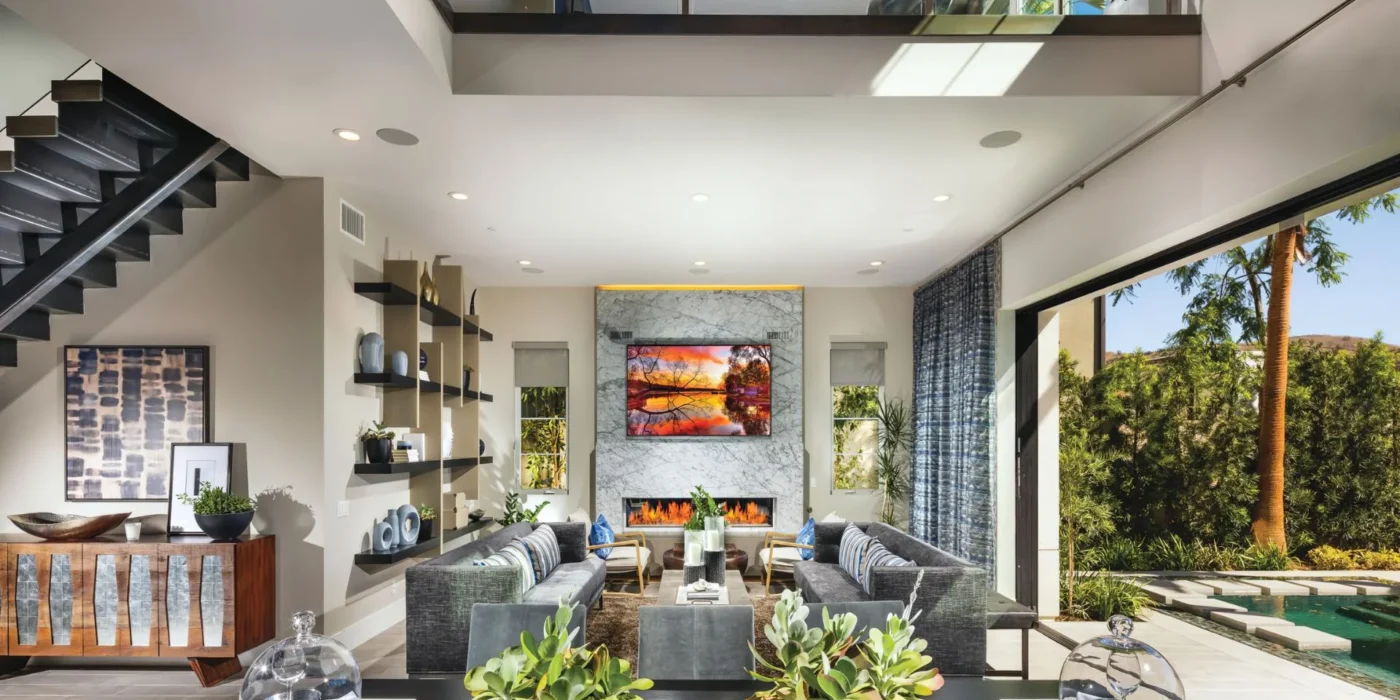
Step into a well-crafted home and something shifts almost instantly. The noise of the outside world fades. Movements slow down. The space feels considered, almost intuitive. That’s the quiet magic of a designer villa. It isn’t built to impress in a hurry. It’s meant to unfold slowly, through light, texture, and the way rooms connect without trying too hard.
And that’s exactly what this blog explores. How architecture, art, and functionality come together inside a villa to create homes that feel less like showpieces and more like lived-in masterpieces.
Architecture as the Invisible Guide
In thoughtfully designed villas, architecture begins with the site itself. Where the sun rises. How the wind moves. Which views deserve attention and which areas need privacy? Living spaces are positioned where daylight feels gentle, not harsh. Bedrooms are tucked away where silence comes naturally.
Ceiling heights change subtly. Corridors open up at the right moments. Nothing feels forced. This kind of architecture doesn’t shout for attention. It quietly guides daily life, making movement through the home feel natural, almost obvious.
Space Planning That Works in Real Life
Inside a well-planned villa, rooms flow without losing purpose. Living, dining, and outdoor areas connect in a way that encourages conversation and movement. At the same time, private spaces feel protected, not exposed.
This planning matters more than most people realise. Family routines evolve. Work-from-home corners appear. Guests show up unexpectedly. A strong layout absorbs all of this without needing constant rearrangement. Somewhere in the heart of a designer villa, flexibility is quietly doing its job.
Art That Lives With the Home
Instead of filling spaces with decorative pieces, designers often integrate art through form and material. A staircase that feels sculptural. A stone wall that changes character as daylight moves across it. A window framing a tree like a living canvas.
When artwork is added, it’s given room to breathe. Walls stay calm. Lighting is deliberate. The home feels expressive without feeling curated for display. Art here supports the atmosphere instead of competing for attention.
Materials That Age Gracefully
Natural stone, wood, concrete, and metal are chosen not just for appearance, but for how they mature. Floors feel solid. Surfaces invite touch. Finishes don’t chase trends. They settle into the home.
Restraint plays a big role. Rather than mixing too many textures, designers let a few materials carry the space. This creates clarity and calm. Years later, the home still feels relevant, not dated. That’s the quiet confidence of good material choices.
Functionality That Stays Out of the Way
Storage is integrated into walls and furniture instead of added on later. Lighting shifts gently from morning to evening. Kitchens stay open and social without turning chaotic. Everything works, but nothing demands attention.
Technology follows the same rule. Systems are intuitive. Controls feel simple. Comfort improves without complication. When daily routines flow without friction, the home feels supportive rather than demanding.
Light as a Constant Companion
In well-designed villas, daylight is guided carefully. Tall windows, courtyards, and skylights allow light to move through spaces naturally. Mornings feel fresh. Afternoons stay balanced. Evenings soften gently.
Artificial lighting supports this rhythm. Warm ambient layers calm the space. Focused lights highlight textures and artwork. Shadows are allowed to exist. They add depth rather than darkness. Light becomes part of the design language, not an afterthought.
Outdoor Spaces That Feel Like Rooms
Courtyards, gardens, and terraces are planned alongside interior spaces, not added later. Materials often flow outside, blurring boundaries. These areas become places for morning pauses, family gatherings, or quiet evenings.
Privacy is handled through orientation and landscaping, not fences alone. The outdoors feels personal, not exposed. This connection to open air adds another layer of comfort and calm, without increasing built space.
Personal Touches Without Losing Balance
When the architecture is strong, everything else has room to breathe. Furniture, artwork, and everyday memories can slip into place without crowding a room or fighting for attention. The design quietly ties it all together in the background.
With time, the home fills up in a natural way. New objects arrive, routines change, and stories settle in. A thoughtfully planned villa takes all of this in stride, keeping its balance and clarity even as life layers over it. Somewhere between structure and warmth, the designer villa finds its steady rhythm.
Conclusion
In a truly thoughtful home, nothing exists on its own. Architecture sets the flow and structure, shaping how spaces open up, connect, and guide movement. Art adds feeling and character, giving small corners their own voice. Functionality supports everyday life, so life feels easy rather than managed.
In a designer villa, these pieces sit comfortably together instead of competing. The space feels calm, intentional, and simple to live in. Over the years, it has become more than something that looks good; it turns into a place that keeps getting richer, where beauty feels natural, and comfort is a given.