
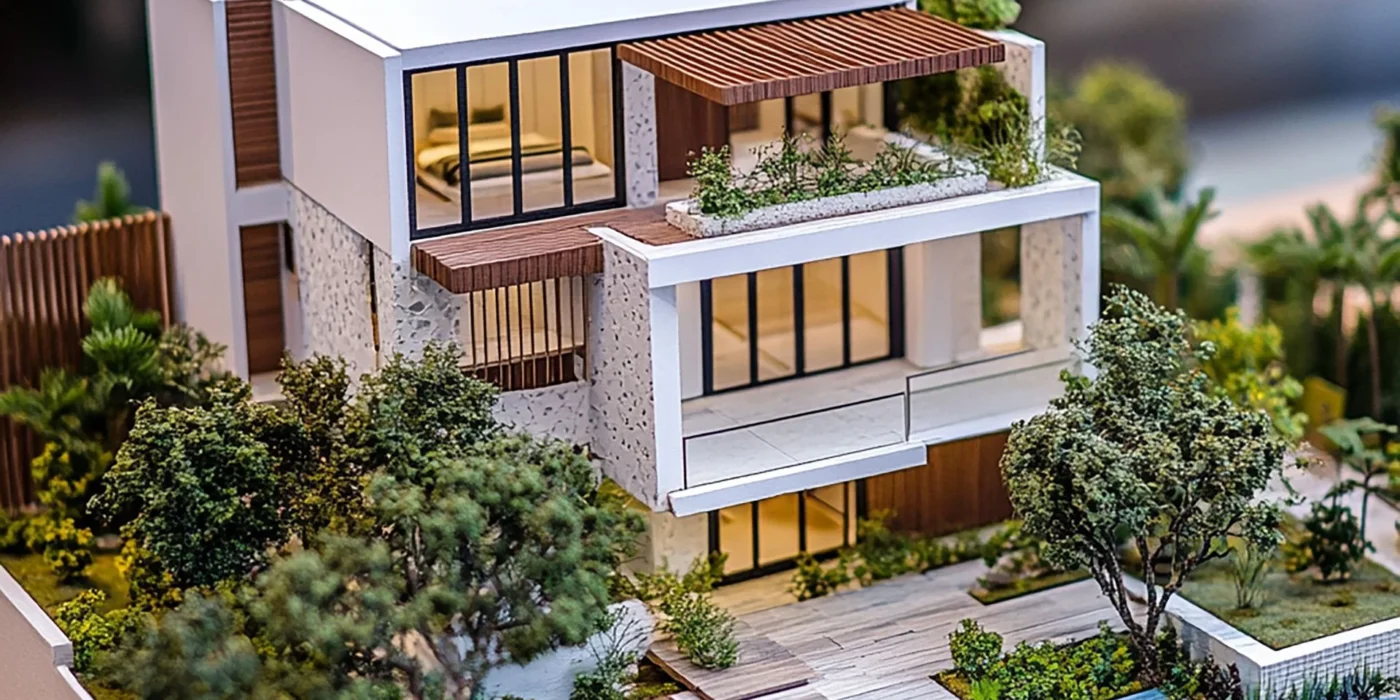
Bangalore’s villa market has grown steadily over the last decade, shaped by changing lifestyles, rising incomes, and a clear preference for more space and privacy. For many families, villas represent not just a home but a long-term decision tied to comfort, stability, and financial planning. Yet, with so many options available across different corridors, identifying good villa projects in Bangalore is not always straightforward.
What looks attractive on a brochure may not always translate into everyday livability. Factors like layout efficiency, legal clarity, infrastructure readiness, and long-term maintenance often reveal themselves only after careful evaluation. This is where a practical, ground-level approach becomes important.
This guide walks through the key aspects homebuyers should examine, from location and approvals to design quality and developer credibility, to help make a well-informed villa purchase in Bangalore.
Start with Location, but Look Beyond the Pin Code
Location remains one of the strongest value drivers in real estate, but for villas, it needs deeper analysis than proximity alone. A villa project located slightly away from the city can still offer strong livability if access roads, daily conveniences, and employment hubs are planned realistically.
Key aspects to evaluate include:
- Distance to major work corridors, not just in kilometers but in travel time.
- Availability of schools, hospitals, and grocery stores within a reasonable radius.
- Existing road infrastructure rather than promised future connectivity.
Projects along Sarjapur Road, North Bangalore, and select pockets of South Bangalore have gained attention due to a balance of growth and access, though each micro-market behaves differently.
Verify Land Titles and Project Approvals Early
Legal due diligence is non-negotiable when buying a villa. Unlike apartments, villa developments often involve larger land parcels and varied approval structures. Ensuring the project has clear titles and appropriate sanctions reduces long-term risk.
Homebuyers should check:
- Ownership history of the land and whether it is free from disputes.
- Approval from relevant planning authorities such as BMRDA or BBMP, depending on location.
- Conversion status of agricultural land, if applicable.
A transparent developer will usually share these documents openly or through a legal representative.
Understand Layout Planning and Space Utilisation
Not all villas with similar square footage feel the same once built. Good villa projects focus on proportions, flow, and functional zoning rather than just size. This becomes especially noticeable after living in the home for a few months.
Look closely at:
- Room dimensions and furniture placement possibilities.
- Natural light entry across different times of day.
- Separation between private and common spaces within the villa.
Projects that invest time in thoughtful layouts often age better, both in comfort and resale value.
Evaluate the Community Design, Not Just Individual Villas
Villas rarely exist in isolation today. Gated communities with shared infrastructure are the norm, and the quality of this planning directly impacts daily living.
Points worth examining include:
- Internal road widths and pedestrian safety.
- Placement of amenities so they do not disrupt residential calm.
- Open space allocation versus built-up density.
A balanced master plan ensures that the community feels open, not congested, even as families move in over time.
Assess Construction Quality and Specifications
Marketing material often highlights finishes, but structural quality deserves equal attention. Villas are long-term assets, and construction standards determine maintenance costs and durability.
During site visits, observe:
- Wall thickness and material quality.
- Drainage systems and waterproofing practices.
- Electrical and plumbing layouts, not just fixtures.
Speaking with existing residents, if the project is partially occupied, can offer practical insights that brochures do not.
Look at Amenities from a Usage Perspective
Amenities should support lifestyle, not simply add to the project checklist. A smaller set of well-planned amenities often delivers more value than an overcrowded list that sees limited use.
Consider:
- Whether amenities suit your household’s daily routines.
- Maintenance responsibility and long-term upkeep costs.
- Noise and activity levels near residential units.
In many good villa projects in Bangalore, amenities are positioned to encourage community interaction without compromising privacy.
Research the Developer’s Track Record
The reputation of the developer plays a significant role in execution quality and post-handover support. Past projects often reveal patterns in construction timelines, transparency, and customer engagement.
Before finalising, review:
- Completed projects and their current condition.
- Feedback from existing homeowners.
- History of delivery timelines and adherence to commitments.
A consistent track record usually reflects stronger internal systems and accountability.
Factor in Infrastructure Readiness
Infrastructure around villa developments evolves gradually. While future growth is important, present readiness matters more for day-to-day comfort.
Check for:
- Reliable water sources and backup systems.
- Power supply stability.
- Sewage and waste management arrangements.
Projects that depend heavily on future civic upgrades may involve a longer adjustment period after possession.
Consider Long-Term Value, Not Just Entry Price
Villas are often purchased with a longer holding horizon. Beyond personal use, resale potential and appreciation matter, especially in a city like Bangalore where micro-markets shift over time.
Elements influencing long-term value include:
- Land share associated with the villa.
- Low-density planning and open space ratio.
- Overall brand perception of the community.
A slightly higher initial investment can often translate into better value retention.
Visit the Site More Than Once
One visit is rarely enough. Different times of day reveal different aspects of a project, from traffic patterns to ambient noise levels.
Try to:
- Visit during weekdays and weekends.
- Observe surrounding developments.
- Speak with on-ground staff without rushing.
These small observations often shape the final decision more than formal presentations.
Conclusion
Identifying good villa projects in Bangalore requires patience, clarity, and a willingness to look beyond surface-level appeal. Each project carries its own strengths and trade-offs, and the right choice depends on how well these align with long-term living needs and expectations.
A villa that balances legal clarity, thoughtful design, reliable infrastructure, and developer integrity often proves its value quietly, over years rather than months. Taking the time to evaluate these fundamentals helps ensure that the villa you choose feels like a sound decision long after the keys are handed over.