
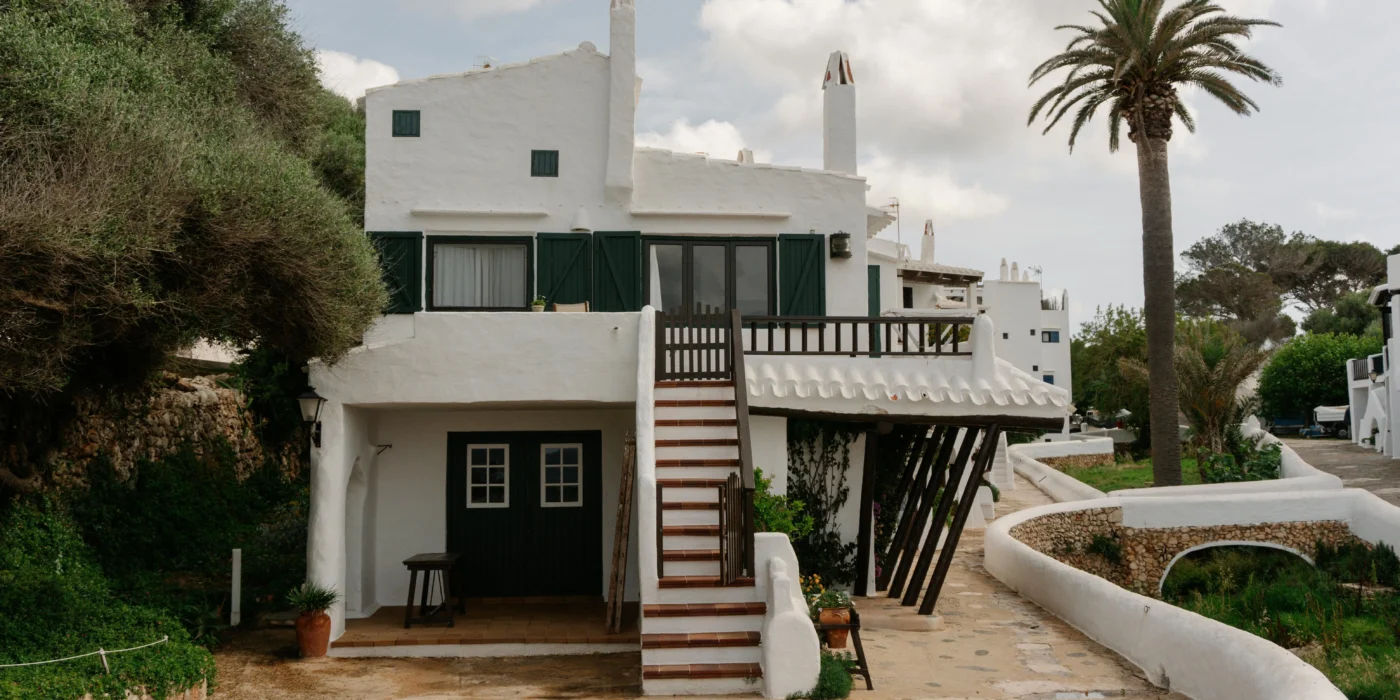
Building a home isn’t only about how it looks on day one. It’s about how it feels ten or twenty years later. That’s especially true with premium villas, where expectations go beyond aesthetics and move into long-term comfort, durability, and peace of mind. Many people focus heavily on design choices or amenities while planning, but the real story lies beneath the surface. What truly determines whether a villa ages beautifully or slowly develops problems is the selection of quality building materials from the very beginning.
Think about it. Two houses may look identical when construction finishes, yet one stays strong and low-maintenance for decades while the other begins to show wear far too early. The difference rarely comes from style or layout. It comes from the invisible decisions made during construction.
This blog explores how material choices influence longevity, safety, comfort, and long-term value in a dream villa.
Strong Foundations Create Lasting Homes
A home’s durability starts where most people rarely look. Beneath floors and behind walls are structural elements that quietly carry the weight of everyday living.
Concrete strength, steel reinforcement, and proper structural planning form the backbone of any long-lasting home. When builders prioritize quality building materials during foundation work, the structure becomes more resistant to cracks, settlement issues, and long-term stress. Poor-quality components might not show immediate problems, but over time, they can lead to expensive repairs or structural instability.
It’s similar to buying footwear. Stylish shoes may look appealing at first glance, but comfort and durability only come from strong construction. The same principle applies to villas. What’s hidden often matters more than what’s visible.
Weather Resistance Matters More Than Expected
A villa interacts with its environment every single day. Heat, rainfall, humidity, and temperature changes constantly test the building’s exterior.
Using appropriate finishes, coatings, and roofing materials helps protect against moisture damage and fading. High-grade insulation plays an equally important role by reducing heat gain and improving indoor comfort. Over time, these decisions prevent common problems like seepage, surface deterioration, and mold formation.
Climate-specific planning becomes especially important in regions where weather conditions can shift dramatically. Homes built with carefully selected materials tend to maintain both performance and appearance without constant intervention.
Maintenance Is Quietly Determined by Material Choices
Nobody dreams about ongoing maintenance costs when imagining a future home. Yet material decisions directly influence how much effort a property requires over time.
Durable flooring, corrosion-resistant fixtures, and properly sealed surfaces reduce repair frequency. A villa constructed using dependable materials usually ages gracefully, allowing homeowners to focus on living rather than fixing. Lower-quality options may initially reduce construction costs but often result in repeated maintenance.
Examples that make a difference include:
- Tiles designed to resist scratches and stains
- Metal fittings treated to prevent rust
- Sealants that effectively block water intrusion
These small details accumulate into long-term convenience.
Safety Begins with the Right Construction Decisions
Safety isn’t always visible, but it is deeply connected to material selection. Structural strength depends on reliable components that perform consistently under pressure.
Certified electrical systems reduce fire risks, while well-designed plumbing components minimize leaks or water damage. Fire-resistant finishes and properly engineered structural elements add another layer of protection. Over time, dependable materials help maintain structural integrity, ensuring that the home continues to provide security for the people living inside.
Safety is not about dramatic features. It’s about quiet reliability that works every day without attention.
Comfort Is Built Into the Materials Themselves
Comfort often feels intangible, yet it has clear physical causes. Temperature stability, reduced noise transfer, and indoor air quality all connect back to construction decisions.
Well-chosen insulation improves thermal comfort. Proper window glazing reduces outside noise and heat exposure. Natural materials like stone or engineered wood create a pleasant tactile experience that enhances daily living.
In many premium villas, comfort comes not from luxury accessories alone but from thoughtful material planning that shapes how spaces feel throughout the day. Even small improvements in acoustic control or airflow can significantly influence how relaxing a home feels after a long day.
Long-Term Value Goes Beyond First Impressions
When discussing property value, location and design often dominate the conversation. However, the longevity of construction plays an equally important role.
Homes that age well retain visual appeal and structural strength, which naturally supports resale value. Buyers tend to notice subtle signs of quality, such as smooth finishes, well-aligned structures, and minimal wear over time. These details signal that the property was built with care.
Using quality building materials during construction reduces the likelihood of major repairs later, which strengthens confidence for future buyers. Over time, durability becomes part of the property’s identity, contributing to both financial and emotional value.
Thinking About the Future During Construction
A villa isn’t built only for the present moment. It should adapt comfortably to changing lifestyles and evolving expectations.
Energy-efficient insulation, durable exterior finishes, and sustainable water management solutions are becoming more relevant as homeowners think long term. Planning ahead reduces operational costs while supporting responsible living.
Choosing quality building materials ensures that a home remains functional and relevant even as design trends evolve. Instead of frequent renovations, the structure itself continues to support modern living without major changes.
Conclusion
A dream villa is more than an attractive structure. It is a space designed to grow with its residents, maintain its strength over decades, and provide comfort without constant maintenance. The foundation of this longevity lies in thoughtful planning and careful selection of quality building materials. When durability becomes a priority during construction, the result is a home that ages gracefully and continues to perform reliably.
For anyone considering premium villas, understanding the importance of material choices can transform the entire building experience. Quality is rarely visible at first glance, yet it defines how a home feels years later. And in the end, lasting comfort comes from decisions made long before the first day of living begins.