
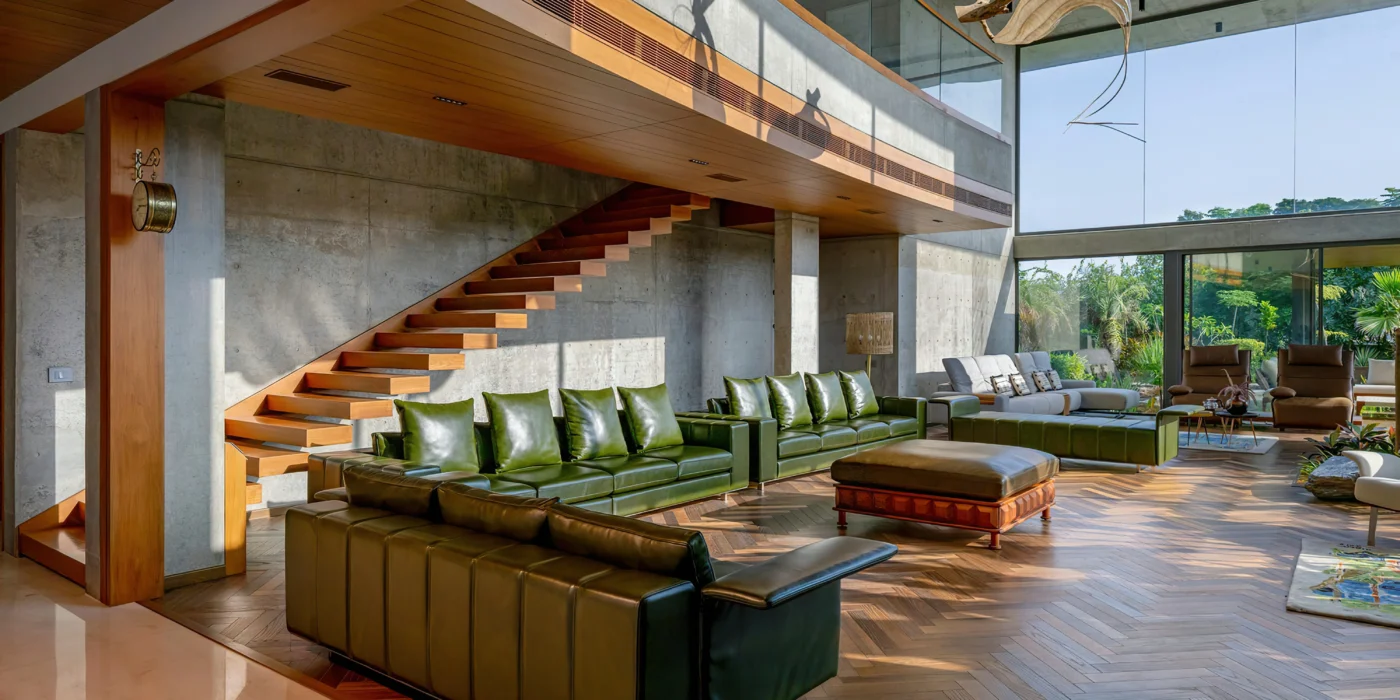
Walk into a beautifully styled villa, and it’s hard not to pause for a moment. Soft lighting. Clean lines. Furniture placed just right. It feels impressive. Almost cinematic. But once the initial excitement settles and everyday life moves in, another question quietly takes centre stage. Does this home actually hold up?
Interior design delivers the first impression. Structural engineering decides everything that follows. In villas, where space is generous and expectations are high, what lies beneath the paint and polish matters far more than what’s visible on day one.
This blog takes a closer look at why the strength of a villa’s structure often matters more than how it looks at first glance.
Looking Good Versus Working Well
A home that looks good and a home that works well are not always the same thing. The difference doesn’t appear immediately. It shows up slowly. Over the years.
Well-planned villas feel steady. Floors stay level. Doors don’t shift. Walls don’t develop mysterious cracks after a few seasons of heat and rain. That kind of stability doesn’t come from finishes. It comes from how the home is engineered from the ground up.
The best homes don’t announce their strength. They simply perform quietly, day after day. And that reliability becomes the real luxury once the novelty of design fades.
Villas Are Structurally Demanding Homes
Villas aren’t compact boxes stacked next to one another. They’re open, expansive, and often complex.
Large living rooms. Double-height spaces. Wide balconies. Terraces. Staircases that float visually. All of this demands careful planning. Structural systems in villas must carry heavier loads across longer spans without compromising safety or comfort.
Without proper engineering, these design choices turn into problems. Sagging slabs. Unwanted vibrations. Uneven settlement. A home that looks grand but feels slightly off. Good engineering allows villas to feel open and generous while remaining stable and dependable.
When Structure Is Treated as an Afterthought
Structural issues rarely appear overnight. That’s what makes them dangerous.
It starts small. A hairline crack that’s easy to ignore. A door that needs a little extra push. Damp patches appear after heavy rain. Over time, these issues grow. Repairs become frequent. Costs rise. Living comfort drops.
Fresh paint and clever interiors can hide symptoms for a while. But structure doesn’t respond to cosmetics. Once compromised, it demands serious intervention. That’s why homes built without proper attention to structure often age poorly, no matter how stylish they once looked.
Comfort Is Built Into the Structure
Comfort isn’t only about air-conditioning or furniture placement. It’s built into the bones of the home.
Well-engineered villas manage heat movement better, reducing expansion-related cracks. They limit vibration between floors. They support proper insulation and waterproofing, allowing systems to perform as intended rather than fighting structural weaknesses.
Noise control is another quiet benefit. Floor thickness, slab design, and wall construction influence how sound travels. A villa that feels calm and quiet often owes that feeling to smart structural choices rather than decorative layers.
This is where structural engineering truly demonstrates its value. It shapes how a home feels long after the lights are switched off and the décor blends into the background.
Interiors Change. Structure Stays
Interiors are meant to evolve. Tastes change. Families grow. Needs shift.
Paint colours get refreshed. Kitchens are upgraded. Rooms are repurposed. These changes are part of living. Structure, however, is permanent. A poorly placed beam cannot be moved easily. A weak foundation cannot be reinforced without disruption.
Homes with strong structural planning offer freedom. Walls can be reworked safely. Spaces adapt to new uses. This flexibility is what separates long-lasting quality villas from homes that feel locked into one moment in time.
Safety Is Quietly Engineered
A safe villa relies on structural stability just as much as secure gates or surveillance. Foundations that resist settlement. Slabs that carry loads without stress. Staircases that remain solid over time. These aren’t visible features, but they’re essential ones.
When engineering is done right, safety fades into the background. Residents don’t worry about cracks, leaks, or instability. They live comfortably, trusting the home to do its job without constant attention.
Long-Term Value Lives Beneath the Surface
Buyers may be drawn in by interiors, but inspections focus on cracks, seepage, alignment, and overall stability. Villas with strong structural integrity retain value better and inspire confidence during resale.
They also cost less to maintain. Fewer repairs. Fewer surprises. Less disruption. Over decades, this consistency matters more than any short-lived design trend. That’s why quality villas tend to age gracefully, even as interiors are updated.
Engineering Makes Design Better
When structure is planned early and thoughtfully, architects gain freedom. Larger openings become possible. Cleaner lines emerge. Spaces feel light without feeling fragile.
In the best villas, design and structure work together rather than competing. Beauty rests on strength. Not the other way around. This balance is what allows a safe villa to feel open, elegant, and dependable all at once.
Asking Better Questions Makes Better Homes
Buyers don’t need technical expertise to make smart decisions. They just need to ask the right questions.
What kind of foundation is used? How is waterproofing handled? What materials are specified for structure, not finishes? These conversations reveal far more about a villa’s future than any staged living room.
Homes built with confidence welcome these questions. They don’t rely on surface appeal alone. They stand on solid reasoning and proven execution.
Conclusion
Interior aesthetics shape how a villa feels in the beginning. Structural engineering shapes how it feels for decades.
In villas, where space, openness, and longevity matter deeply, strength beneath the surface defines comfort, safety, and long-term value. A beautifully styled home with weak engineering eventually disappoints. A well-built home with modest interiors can always evolve, which is why quality villas continue to feel relevant over time.
The most enduring villas are the ones where structural engineering leads and design follows. Where strength quietly supports beauty. Where a safe villa becomes a dependable place to live, grow, and return to every day, that’s what truly defines lasting quality in villa living.