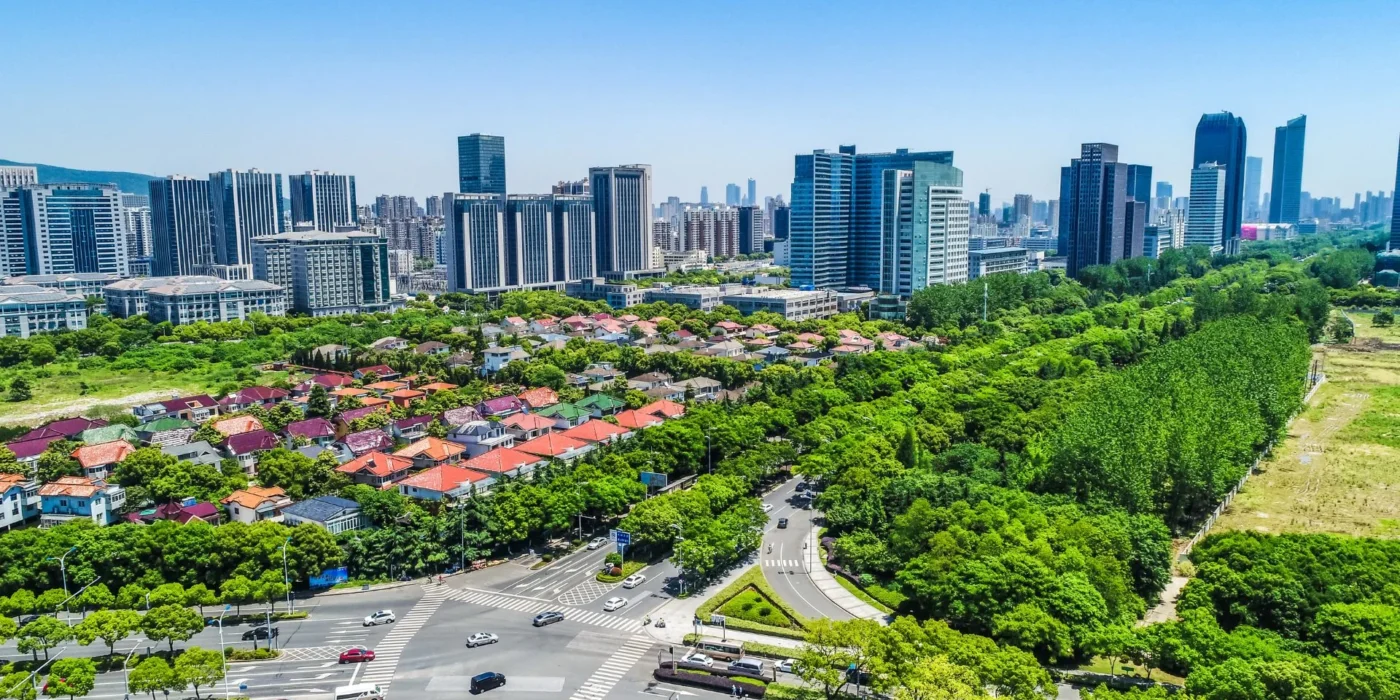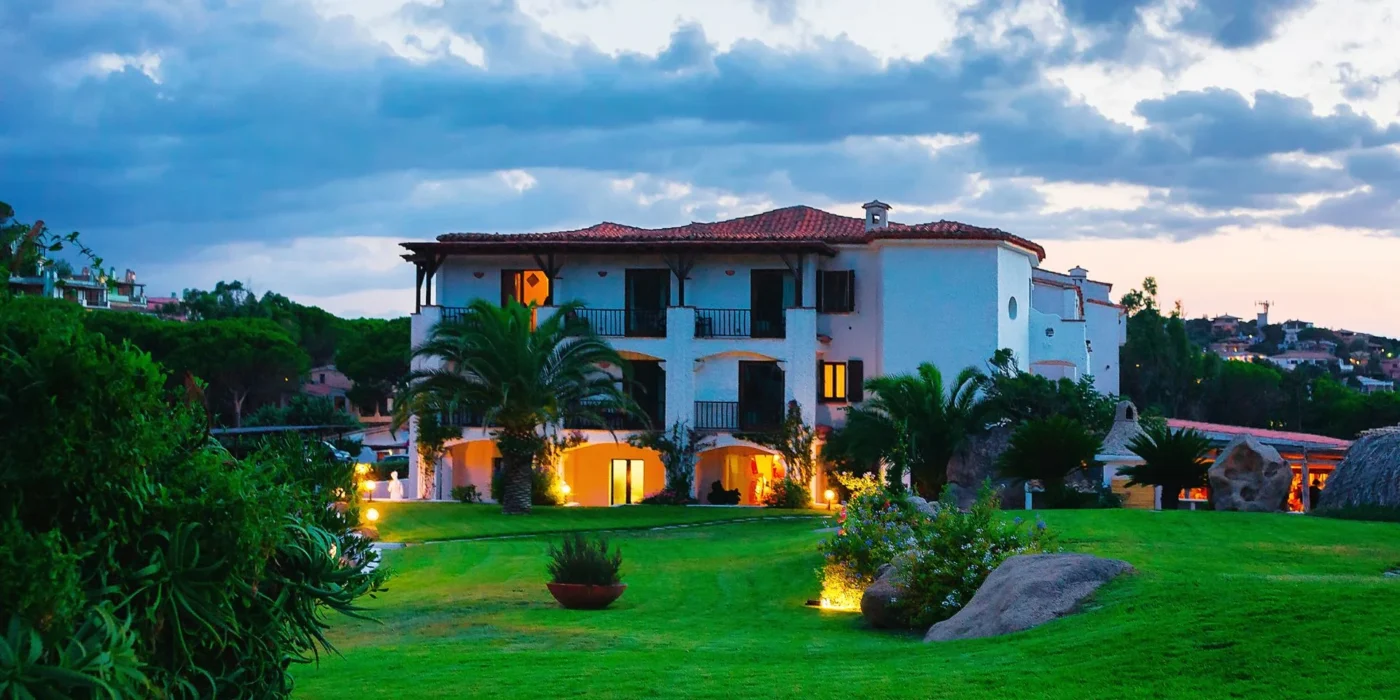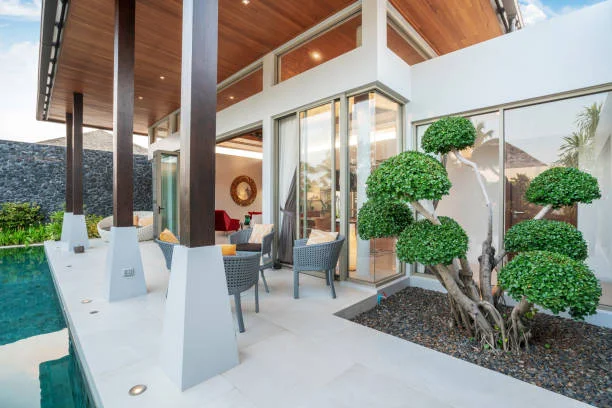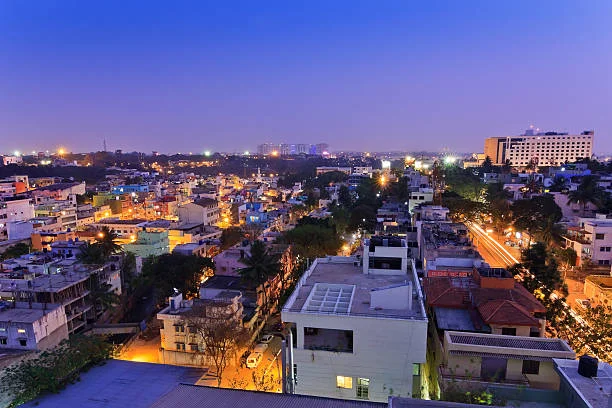
Modern villa lifestyle for IT professionals featuring spacious living and premium home comfort.
CategoriesBlog

Villa Living for IT Professionals: Is It Worth the Upgrade?

IT hubs professionals in Bangalore face unique housing decisions. Long work hours, high earning potential, and family aspirations create pressure to find homes balancing convenience, space, and investment value. Villas near IT hubs Bangalore have gained popularity among tech workers seeking alternatives to crowded apartments, offering privacy and prestige alongside proximity to workplaces.

The villa upgrade appeals particularly to mid-career professionals with growing families or those prioritizing work-life separation. Larger plots provide room for home offices, gardens, and recreation, addressing remote work realities post-pandemic. Yet higher costs and maintenance demands raise legitimate questions about practicality.

This blog weighs the pros and cons of villa living for IT professionals, focusing on Bangalore’s tech landscape, financial considerations, and lifestyle fit.

Commute and Location Advantages

Time remains the scarcest resource for tech professionals. Villas strategically located near major IT parks minimize travel stress. Sarjapur Road, Whitefield, and Electronic City extensions host premium villa projects within 20-40 minute drives of key employment hubs.

Location benefits include:

  • Gated communities with 24/7 security near ORR connectivity.
  • Proximity to international schools and hospitals essential for families.
  • Appreciation potential driven by IT corridor expansion.
  • Weekend getaways to Nandi Hills or Bannerghatta within an hour.

Reduced commute time translates directly to productivity and family availability. Many villa projects now include co-working spaces and EV charging, catering specifically to tech lifestyles.

Space for Work and Family Life

Villas offer 3-5 times the space of equivalent apartments. Ground plus one or independent floor layouts accommodate home offices, gyms, and children’s play areas. IT professionals benefit from dedicated workspaces minimizing domestic distractions during Zoom calls.

Practical space advantages:

  • Separate office rooms with natural light and soundproofing.
  • Private gardens for mental health breaks and family bonding.
  • Guest accommodations for visiting relatives or colleagues.
  • Pet-friendly layouts supporting work-from-home companions.

Sarjapur IT corridor homes particularly excel here, combining suburban tranquility with urban access. Larger living areas support hybrid work setups, eliminating the need for expensive co-working memberships.

Financial Considerations

Upgrading to a villa involves substantial investment. Entry-level gated villas start at ₹2.5-4 crores in IT-adjacent areas, compared to ₹1-1.5 crores for premium apartments. Monthly maintenance ranges from ₹15,000-30,000, covering security, landscaping, and common facilities.

Cost breakdown analysis:

  • EMIs: 20-25 year loans manageable at current salary levels (₹20-50 lakhs annually).
  • Appreciation: Villas near IT hubs show 8-12% annual growth versus 5-8% for apartments.
  • Rental Yield: 3-4% returns from leasing portions during travel.
  • Tax Benefits: Larger home loan deductions plus depreciation on home offices.

Long-term math favors villas for stable tech careers. Equity builds faster through appreciation, offsetting higher upfront costs.

Lifestyle and Wellness Benefits

Villa living addresses for IT professionals’ wellness challenges. Sedentary coding marathons benefit from home gyms, swimming pools, and walking trails within compounds. Mental health improves through green spaces reducing screen fatigue.

Wellness features common in tech-focused projects:

  • Infinity pools and spa facilities for stress relief.
  • Jogging tracks and sports courts promoting activity.
  • Clubhouses hosting networking events and yoga classes.
  • Air purification systems countering urban pollution.

Privacy allows personal customization. Solar panels, rainwater harvesting, and smart home automation appeal to tech-savvy owners seeking sustainability and convenience.

Community and Networking Value

Gated villa communities foster professional networks. Neighbors often share IT industry backgrounds, creating organic connections valuable for career growth. Community events, kids’ play areas, and sports facilities build lasting relationships.

Social advantages:

  • Weekend barbecues doubling as informal job discussions.
  • Carpool arrangements to IT parks.
  • Children’s friendships supporting dual-career families.
  • Security communities reduce isolation common in large cities.
  • These networks provide both social support and professional opportunities absent in isolated apartments.

Maintenance and Practical Challenges

Villa ownership demands more effort than apartments. Larger spaces mean higher cleaning, gardening, and repair costs. Absentee owners face vacancy risks during project travel.

Realistic maintenance considerations:

  • Dedicated staff or society-managed services essential.
  • Annual maintenance budgets of ₹2-3 lakhs.
  • Backup power and water systems are critical during monsoons.
  • Professional property management for frequent travelers.

Many projects mitigate these through comprehensive facilities management, but personal oversight remains necessary.

Family Dynamics and Future-Proofing

Growing families find villas ideal for children’s development. Larger bedrooms, study spaces, and outdoor areas support education and extracurriculars. Elderly parents appreciate ground-floor accessibility and quiet neighborhoods.

Future-proof features:

  • Expandable layouts accommodating career progression.
  • Resale value supporting relocation to other tech hubs.
  • Rental income potential during job changes.
  • Inheritance advantages over fractional apartment ownership.

Villas position families for long-term stability amid Bangalore’s dynamic job market.

Investment Perspective

Tech professional housing decisions blend lifestyle with portfolio strategy. Villas serve dual purposes: comfortable homes appreciating at infrastructure-driven rates. Government policies favoring peripheral growth benefit Sarjapur and Devanahalli villa corridors.

Investment metrics:

  • 10-year returns projected at 150-200% in established IT vicinity.
  • Stamp duty savings through under-construction bookings.
  • RERA compliance ensures developer accountability.
  • Liquidity through established secondary markets.

Diversification across property types remains wise, but villas anchor wealth-building for high earners.

Customization and Personal Expression

Unlike standardized apartments, villas allow personalization reflecting professional identity. Custom home theaters, library spaces, and smart office integrations create environments boosting creativity and focus.

Popular tech customizations:

  • High-speed fiber integration throughout.
  • Automated shading for optimal screen viewing.
  • Biometric security systems.
  • Integrated audio-visual control panels.

These features enhance both work efficiency and leisure quality.

Making the Decision

Villa suitability depends on life stage and priorities. Early-career professionals may prefer apartments; mid-senior levels benefit most from villa upgrades. Family size, travel frequency, and financial bandwidth guide final choices.

Decision framework:

  • Assess commute tolerance and family needs.
  • Calculate 10-year financial projections.
  • Visit multiple projects during peak hours.
  • Consult RERA-registered brokers for market insights.
  • Factor maintenance preferences honestly.

Site visits reveal community vibe and actual commute times better than brochures.

Conclusion

Villa living transforms IT professionals’ quality of life through space, privacy, and investment security. Villas near IT hubs Bangalore balance career demands with family aspirations, offering tangible lifestyle upgrades worth careful consideration.

The upgrade succeeds when aligned with personal priorities and financial reality. For those ready to exchange urban intensity for suburban sanctuary, villas deliver enduring value, supporting both professional ambition and personal fulfillment in Bangalore’s thriving tech ecosystem.


Residential area off Sarjapur Road showing road connectivity and daily commute convenience in Bangalore.
CategoriesBlog

Connectivity Check: How Off Sarjapur Road Scores for Daily Commute

Choosing the right IT hubs villas in Bangalore often comes down to one simple question: how easy will the daily commute feel? Traffic patterns, road access, and proximity to workspaces influence everyday life more than expected. Areas around Sarjapur have grown quickly, and many families now consider villas near Sarjapur Road because they promise both residential comfort and access to major work zones. But does the commute actually match expectations?

Maps may show short distances, yet real travel depends on infrastructure, route options, and peak-hour conditions. Understanding how the area performs during daily travel helps avoid surprises later. 

This blog explores how connectivity off Sarjapur Road impacts routine commuting and lifestyle convenience.

Road Infrastructure and Accessibility

Good connectivity starts with the roads themselves. Smooth access points and multiple route options can turn a stressful commute into a manageable one.

Sarjapur Road connects to important arterial routes like Outer Ring Road and Electronic City. Road improvements have helped traffic flow, though certain stretches still slow down during peak hours. The strength of Sarjapur connectivity lies in its network of internal roads that provide alternative routes. Choosing a home with multiple access points often reduces travel time and helps avoid heavy congestion zones.

Proximity to Major Work Hubs

Living closer to employment hubs changes daily routines. Less travel time often means more personal time, which matters more than most people expect.

Many Bangalore IT corridor villas attract professionals because they provide access to:

  • Electronic City tech hubs
  • Outer Ring Road companies
  • Whitefield business districts

Even small differences in location can impact the commute experience. Homes closer to connecting roads or tech corridors usually provide smoother daily travel compared to locations deeper inside residential pockets.

Public Transport and Travel Alternatives

Not everyone wants to rely solely on personal vehicles. Public transport options can add flexibility, especially during busy traffic periods.

BMTC bus services cover many routes around the area, supporting daily commuting for residents. Upcoming transit developments may further strengthen Sarjapur connectivity, making travel more accessible without a car. Ride-sharing services and last-mile transport options also help bridge gaps between residential communities and major roads.

Evaluating transport options before choosing among villas near Sarjapur Road can create more flexibility and reduce long-term travel stress.

Travel Time vs Distance Reality

Distance alone rarely tells the full story in Bangalore traffic. A short drive on the map may feel longer during peak hours, while slightly longer routes sometimes move faster.

Real commute comfort depends on:

  • Traffic signal density
  • Road width and bottlenecks
  • Peak-hour traffic patterns

Some residents living in Bangalore IT corridor villas adjust schedules slightly to avoid congestion. Understanding local traffic rhythms helps set realistic expectations. Visiting the area during work hours often provides better insight than weekend site visits.

Everyday Micro-Connectivity

Connectivity isn’t only about reaching the office. Every day errands shape how comfortable life feels.

Important micro-connectivity factors include:

  • Grocery stores and daily essentials nearby
  • Schools and healthcare facilities
  • Access to local transport like autos or cabs

Strong Sarjapur connectivity means daily needs can be completed without long travel times. A well-connected neighborhood reduces dependence on long drives for basic tasks, improving overall lifestyle balance.

Future Infrastructure and Growth

Connectivity changes over time. New roads, junction upgrades, and infrastructure projects can transform commute patterns significantly.

Development plans around Sarjapur Road aim to reduce congestion and improve travel efficiency. Buyers looking at villas near Sarjapur Road often consider future growth because improved infrastructure can shorten travel times and increase property value. However, relying only on future promises isn’t always wise. Checking confirmed projects and realistic timelines helps avoid unrealistic expectations.

Lifestyle Balance and Commute Experience

A commute affects more than travel time. It influences energy levels, family time, and overall well-being.

Many families choose gated community villas Bangalore IT corridor villas because they offer larger living spaces while remaining connected to work hubs. Some accept slightly longer drives in exchange for quieter surroundings. Others prioritize proximity over space. Finding the right balance depends on daily routines, work flexibility, and personal preferences.

Strong Sarjapur connectivity supports this balance by offering multiple route options and improving access to key parts of the city.

Conclusion

Connectivity off Sarjapur Road offers both opportunities and challenges. Access to major business districts, improving infrastructure, and growing transport options make the area attractive for professionals and families considering villas near Sarjapur Road. At the same time, traffic conditions and route selection play a big role in the daily experience.

Understanding real travel patterns, evaluating micro-connectivity, and studying future development plans help create a realistic view of commuting life. When location choice aligns with routine needs, daily travel becomes manageable rather than stressful. For many residents, strong Sarjapur connectivity combined with the lifestyle offered by Bangalore IT corridor villas creates a balance between comfortable living and practical commuting.

Villa and gated apartment comparison highlighting family living, cost, and lifestyle benefits.
CategoriesBlog

Villa vs Gated Apartment: A Cost-Benefit Analysis for Families

Choosing a home in Bangalore isn’t just about square footage or price per square foot. It’s about lifestyle. It’s about space. It’s about what daily life will actually feel like five or ten years from now. The debate around Villa vs apartment Bangalore keeps coming up for a reason. Families want comfort, security, and long-term value. But the path to that comfort looks different for everyone.

Some picture kids playing in a private garden. Others imagine weekend evenings at a shared clubhouse. Both sound good, right? The real question is what works better financially and practically in the long run. 

This blog breaks down the real cost-benefit comparison so families can make a confident choice.

Upfront Costs and Entry Budget

Money talks first. Because that’s where most decisions begin.

Apartments usually come with a lower entry price compared to independent homes or gated community villas. The land cost is shared among multiple residents, which keeps initial pricing more accessible.

Villas cost more upfront. That includes:

  • Larger land ownership
  • Independent structure
  • Higher registration and utility setup

For families comparing apartment vs villa investment, the starting budget often becomes the first filter. If affordability is tight, apartments may feel safer. If long-term ownership matters more than entry cost, villas may justify the stretch.

Maintenance and Monthly Commitments

Buying is one thing. Maintaining is another story.

Apartments come with monthly maintenance fees. These usually cover:

  • Security staff
  • Common area cleaning
  • Landscaping and amenities upkeep

It’s predictable. Structured. No surprises most of the time.

With gated community villas, maintenance feels different. There’s more independence. But that also means managing exterior repairs, garden care, and sometimes private security. Some families enjoy that control. Others prefer shared responsibility.

When evaluating apartment vs villa investment, monthly cost predictability can matter more than expected.

Space and Privacy Realities

Space changes everything. The way mornings feel. The way evenings unwind.

Apartments are efficient. Compact layouts. Shared walls. Neighbors close by. That sense of community can feel comforting for some families.

Villas offer breathing room. More square footage. Private terraces. Gardens. Fewer shared boundaries. In the middle of the Villa vs apartment Bangalore discussion, privacy becomes a big emotional factor.

But more space also means more upkeep. Bigger homes require more cleaning, more furnishing, more effort. Worth it? That depends on the family’s lifestyle pace.

Amenities and Social Life

Modern apartments often shine when it comes to amenities. Pools. Gyms. Clubhouses. Play areas. All inside the complex.

Typical apartment perks include:

  • Organized community events
  • Dedicated sports areas
  • Centralized management

Some gated community villas also offer shared amenities, though often spread across larger areas. The social dynamic differs, too. Apartments feel lively and active. Villas feel calmer and more private.

For families who value structured community engagement, apartments can feel convenient. For those preferring quieter surroundings, villas often win.

Security and Peace of Mind

Security matters. Especially for families with children or elderly members.

Apartments usually have controlled entry points and centralized monitoring systems. Everything feels organized. Guards at the gate. CCTV coverage. Visitor tracking.

Many gated community villas also provide gated access and shared security. But independent villas outside planned communities may require private arrangements.

In the larger Villa vs apartment Bangalore comparison, apartments often score slightly higher in centralized security systems. high quality villas, however, offer fewer shared access points, which can also enhance privacy.

Peace of mind looks different for everyone.

Long-Term Appreciation and Resale Value

Now let’s talk future. Because homes aren’t just emotional purchases. They’re financial decisions too.

Villas usually sit on larger land parcels. And land appreciates. Over time, that can make apartment vs villa investment lean in favor of villas, especially in developing areas.

Apartments, however, offer:

  • Easier rental demand
  • Faster resale in urban centers
  • Lower entry barriers for buyers

For short to medium-term flexibility, apartments can feel safer. For long-term capital growth, villas often stand strong. Location plays a huge role here, of course. Not every villa guarantees appreciation. Not every apartment limits growth.

Lifestyle Flexibility and Daily Practicality

Life changes. Kids grow. Parents move in. Work-from-home becomes permanent. Homes need to adapt.

Apartments offer convenience. Less exterior responsibility. Shared amenities reduce the need for external memberships. Everything feels close and compact.

Villas offer customization freedom. Renovations are easier. Extensions possible. Layout changes more flexible.

When comparing apartment vs villa investment, families should imagine daily routines. School mornings. Weekend gatherings. Festival celebrations. Which space supports those moments better?

Because real value shows up in daily comfort, not just spreadsheets.

Conclusion

The decision between Villa vs apartment Bangalore isn’t about which one is superior. It’s about alignment. Apartments offer convenience, shared amenities, and predictable maintenance. Gated community villas offer privacy, space, and stronger land ownership benefits.

For families thinking long-term, the choice depends on financial readiness, lifestyle preferences, and future plans. A thoughtful apartment vs villa investment decision balances emotion with practicality. The best home isn’t the biggest or the trendiest. It’s the one that supports everyday life comfortably while protecting long-term value.

And that balance? That’s what truly matters.

Villa construction with quality building practices ensuring durability and investment protection.
CategoriesBlog

How Good Construction Practices Protect Your Villa Investment

Villa investment is more than just investing in property. It is investing in the future and a comfortable lifestyle, while at the same time ensuring a legacy for the future. Investing in a villa is not just about the capital involved, but also the financial planning involved. What matters most, though, is not as visible, and it is not the capital involved but the construction itself. Good construction practices are the blueprint for any property appreciating with time. Without good construction, the most magnificent villas will lose their worth as soon as the sun rises the next morning.

Understanding how good construction practices guard your villa investment is crucial to making sound decisions, whether you are constructing from scratch, buying a newly constructed villa, or expanding an old one.

In this blog, we will be discussing the idea that good construction practices protect your villa investment.

Strong Foundations Ensure Long-Term Stability

The strength of any structure lies in its foundation. Soil testing, proper site preparation, and application of correct building foundations are fundamental steps that guide any construction practices, thereby aiding in the elimination of future structural problems. Observance of improper building foundations, for instance, may cause uneven surfaces, wall cracks, water seepage, and structural collapses.

Key Points:

  • Soil Testing and Site Evaluation
  • Good foundation design
  • Load distribution planning
  • Protection against soil movement and moisture

With an appropriate foundation that evenly distributes the building’s weight in addition to accommodating external factors that may disrupt the land on which the villa is built, such as soil movements and humidity changes, the entire process is complete. This ensures that your villa stands for several decades without the need to expend money on repairs.

Quality Materials Prevent Costly Repairs

Although the usage of quality materials in the building process may result in increased costs at the beginning, it greatly reduces the long-run cost. For example, good-quality concrete mixtures, reinforcement with corrosion-resistant steel, weather-resistant roofs, and waterproofing materials ensure the structure’s protection against most forms of damage.

Key Points:

  • Durable concrete and steel reinforcement
  • Weather-resistant roofing
  • Premium waterproofing materials
  • Long-term performance focus

Substandard materials may look great from a cost-effectiveness point of view, but may lead to problems such as leakages, rust, cracks, and the failure of insulation. Ultimately, this may cause major troubles since such problems may lead to costly repairs. However, good building standards advocate for prudent building as a safety mechanism to improve the longevity of your home.

Effective Waterproofing Protects Structural Health

Damage due to water is the major threat to residential properties. Efficient and effective waterproofing of foundations, basements, roofs, terraces, and bathrooms plays an essential role. Seepage of water leads to weak stability of concrete, corrodes the hardening steels, and may increase the growth of moulds.

Key Points:

  • Damp-proof membrane
  • Drainage systems
  • Quality of Seals
  • Moisture Control Strategies

Professional construction practices have been employing various levels of protection to secure the property from any concealed damage. Moisture control is essential in maintaining the strength of the building and a healthier interior space, both of which are integral factors in the preservation of property value.

Structural Engineering Enhances Safety

The villa has to be designed in such a way that it can withstand environmental factors. The environmental factors could include rain, earthquakes, windstorms, or extreme temperatures. The building has to meet the standards in order to be safe.

Key Points:

  • Precise Load Calculations
  • Reinforcement detailing
  • Compliance with building regulations
  • Environmental resistance planning

Meanwhile, the structural engineer guarantees that the beams, columns, slabs, and load-bearing walls work efficiently together. Technical details protect the property from potential risks, ensure the safety of the people inside, and make the building insurable.


Proper Electrical and Plumbing Systems Reduce Risk

Within the walls and under the floors, there are electrical wiring systems and plumbing systems. Defects within these areas may cause fire, leaks, and other structural problems.

Key Points:

  • Certified electricians and plumbers
  • High-grade pipes and wiring
  • Proper Insulation
  • System Testing before Completion

Professional construction practices ensure the internal systems are installed in adherence to safety standards. Better and more reliable infrastructure not only provides security for your villa but also facilitates efficiency in the operation of the establishment.

Energy Efficiency Improves Long-Term Value

Modern building practices prioritise the use of energy-efficient designs that protect financial investments. For instance, insulation materials, double-glazed windows, reflective rooftops, and efficient air conditioning reduce energy consumption.

Key Points:

  • Thermal insulation
  • Double Glazing Windows
  • Energy-Efficient HVAC Systems
  • Sustainable building materials

Energy-efficient villas offer better demand for sale due to reduced utility bills and greater comfort. This increases their resale value in today’s market.

Attention to Detailing Preserves Aesthetic Appeal

A villa’s interior aesthetic appeal directly enhances its monetary worth. Precision is the key while carrying out the work of plastering, tiling, floor alignment, paint finishing, and joinery.

Key Points:

  • Precision finishing work
  • High-quality craftsmanship
  • Strict quality control
  • Long-lasting aesthetics

Small issues within the construction can lead to larger problems in the future, hence the need for constant supervision to achieve the best in finishing, thus retaining the elegance of the luxury property.

Compliance with Legal and Building Regulations

Adhering to local building codes and approvals is an indispensable practice during construction. Non-adherence may result in penalties and resale restrictions.

Key Points:

  • Building code compliance
  • Zoning regulations:
  • Proper documentation
  • Approved construction plans

It is important to follow the regulations to ensure transparency and prevent any future disputes. Appropriate documentation would also ease other processes, for instance, resale, leasing, or refinancing.

Preventive Construction Reduces Maintenance Costs

A well-designed villa would require less maintenance over time. Preventive strategies are employed during the design to avoid recurring problems.

Key Points:

  • Proper drainage slopes
  • Anti-termite treatments
  • Crack control joints
  • Ventilation systems

Fixing risks early helps minimise expensive repairs later on. Preventive planning makes sure the property is strong, in working condition, and aesthetically pleasing for a long time.

Professional Project Management Ensures Accountability

Project management is vital in the protection of the villa investment. Skilled individuals, such as supervisors and contractors, ensure that the work is done on schedule and that all necessary safety measures have been taken.

Key Points:

  • Timeline Coordination
  • Material quality monitoring
  • Labor supervision
  • Systematic quality checks

This would mitigate construction errors as well as budgetary overextensions. A well-structured management approach guarantees that all elements of the construction project have met respective benchmarks of quality.

Long-Term Appreciation Depends on Build Quality

Real estate appreciation is significantly dependent on the quality of construction practices rather than just location. Proper engineering and quality materials are essential for providing a long structural life.

Key Points:

  • Durable construction methods
  • Premium materials
  • Structural integrity
  • Buyer inspection readiness.

The villas constructed with good construction practices become prominent in the competitive market. They have increased longevity, requiring less renovation in the long run.

Conclusion

A villa, as such, is not merely constituted by the envelope of walls and a roof, but constitutes an expensive villa investment, involving substantial capital outlays. Yet, protecting the investment in a villa entails more than simply selecting an aesthetically attractive design or a favourable location. It involves careful consideration of construction practices that provide the necessary structural strength, safety, and efficiency in the villa, along with the long-term durability of the structure.

If good construction practices are emphasised from the outset, your property will remain strong against natural climatic conditions, reduce maintenance costs, and maintain its appeal. In the final analysis, the security of any property rests in its quality of construction.


Trusted builder managing villa construction with quality work and smooth project execution.
CategoriesBlog

Why Choosing the Right Builder Means Less Stress Later

Building a quality build home or a home renovation is one of life’s most exciting experiences, and at times one of its most stressful. A IT hubs for villa investment that is built around your life, your tastes, and your future aspirations. Unfortunately, the reality can very quickly become overwhelming, and this is due to a builder that is not right for the purpose. Deadlines are missed, budgets are blown, communication channels are breached, and what is meant to be a joy becomes a source of constant stress.

One of the most significant ways to minimise stress, not just during the construction time, but also long after, is to ensure that the right builders are chosen from the beginning. While budget and timelines are the main considerations in the initial stages, the real worth of the builders lies in their reliability, transparency, and the long-lasting quality of their work. It’s not just the construction practices that are impacted by the right choice of builders, as it defines the entire experience.

In this blog, we will be walking through why choosing the right builder means less stress later.

The Builder Sets the Tone for the Entire Project

The tone for the entire working relationship is set by a builder from the first conversation. A professional and experienced builder injects order, clarity, and confidence into what otherwise feels like an unfamiliar process. They outline what’s involved, set realistic expectations, and help you understand where decisions will matter most.

  • The initial interactions determine the whole work relationship.
  • Professional builders offer clarity, structure, and confidence.
  • They explain the process, offer a basis for expectations, and emphasise important decisions.
  • A good builder is able to manage construction and experience.
  • Indicators of a bad builder: evasive answers, hasty estimates, sidestepping written information.
  • Misaligned expectations early on create larger misunderstandings down the line.

A good builder doesn’t just manage construction but also the experience.

Clear Communication Prevents Small Problems From Becoming Big Ones

One of the most commonly identified stress-inducing factors in construction practices has to do with communication itself. When the client does not receive regular and clear communication, he or she necessarily wonders if something has gone wrong with the construction process as a whole. Are the deadlines being met within the expected timeline?

  • Lack of updates gets people worried and anxious about progress and timelines.
  • A good builder maintains the best rapport by giving updates at regular intervals and informing you well in advance of any changes.
  • They are transparent about challenges and discuss them openly.
  • Confidence and consistency are achieved through regular communication, which does not allow minor issues to get out of hand.

The right builder prioritises communication. They keep you updated on how the job is proceeding, they give you advance warning of changes before they happen, and they’re candid about the difficult bits when they do arise.

Realistic Budgeting: Protects Your Peace of Mind

Another significant stress trigger may arise in the case of budget blowouts. It could be very attractive to go with the cheapest option available, although unrealistically low pricing can result in budget blowouts later on.

  • The right builder can assist you in making financially informed decisions, as opposed to reacting to last-minute costs under pressure.

A seasoned contractor will give you a realistic idea of costs with a full explanation of allowances and areas where costs can fluctuate due to variables involved. This helps ensure that you can plan accordingly and avoid any surprises that might cause you distress in the future.

Experience Means Fewer Mistakes and Faster Solutions

The construction practices are a complex endeavour, meaning that despite every planning measure being taken, unexpected hurdles will inevitably occur. However, it is not these unexpected hurdles that make a stressful experience stressful, but how they are managed.

  • Unrealistically low quotes sometimes cause cost overruns thereafter.
  • Reliable builders enable you to make informed financial decisions.
  • Experienced contractors explain the cost, allowances, and variables.
  • Proper planning also helps to avoid unexpected expenses and stress.

This alleviates stress levels,s not because problems have been eliminated, but because they have been managed efficiently and conclusively.

Quality Work Reduces Long-Term Headaches

Stress does not necessarily stop once construction practices are complete. Poor craftsmanship can lead to continuous problems: cracks, leaks, structural problems, and constant repairs are just a few. These usually appear months or years later when the warranties are murky, and it becomes very expensive to right the wrongs.

  • Construction projects inevitably face unexpected challenges.
  • Stress comes from poor handling of problems, not the problems themselves.
  • Experienced builders resolve issues efficiently and professionally.
  • They present solutions, explain options, and guide decision-making without blame or panic.

One of the most neglected benefits of choosing well is the emotional relief that comes from not agonising over what might go wrong later.

Professional Builders Respect Your Time and Energy

Remodelling or building anything already takes a great deal from a homeowner. A good builder knows this and does his or her best not add to that.

  • Remodelling an existing home obviously also requires much work from the homeowners.
  • A good builder seeks to reduce, not add to, that workload.
  • They handle the project’s details so you can remain involved but without feeling overwhelmed.
  • They effectively facilitate trades and keep schedules on track.
  • They can expect problems before they become pressing.
  • Instead of constant interruptions, they guide you through the process in a clear and organised way.

There is less pressure when a builder assumes the details of managing the project, as you are free to stay involved without feeling consumed by the project.

Strong systems help create a smoother process.

At the centre of every stress-free building process is a builder with good systems. These include the type of contract that spells out scope, timelines, and responsibilities; the way variations are dealt with, quality build home systems in place during the entire process.

  • A well-organised builder is also a provider of a feeling of orderliness in a very chaotic process.

These systems are not always visible, but their presence is felt throughout the duration of the project. When a contractor lacks effective systems, they might resort to improvising, which causes both delay and exasperation in their work.

Trust enables

  • Trust is the biggest stress-reducer.
  • Eliminates the need to micromanage
  • Removes fear of being taken advantage of
  • Being confident with your builder helps you to relax 
  • Built on honesty, competence, and dependability

Trust is built gradually through key features of high -quality villas with consistent   and dependability. Trust transforms the experience, allowing you to enjoy the building process rather than just go through it. Reduces emotional strain involved in decision-making. Trust needs to be present in order to easily and calmly make even minute decisions; otherwise, stress.  

Conclusion

Construction practices or renovation do not need to be a concerning or fatiguing process. Villa investment is choosing the right builder, a company that embraces transparency, quality, and professionalism. You are protecting more than your budget, protecting your peace of mind. The outcome is a smoother journey through building, but more importantly, it’s a quality build home that one can enjoy without nagging concerns. A capable and trustworthy builder brings clarity into the process, conducts problem-solving with aplomb, and provides work that outlives anyone.

Dream villa construction using high-quality building materials for durability and long-term strength.
CategoriesBlog

How Quality Building Materials Make Your Dream Villa Last Longer

Building a home isn’t only about how it looks on day one. It’s about how it feels ten or twenty years later. That’s especially true with premium villas, where expectations go beyond aesthetics and move into long-term comfort, durability, and peace of mind. Many people focus heavily on design choices or amenities while planning, but the real story lies beneath the surface. What truly determines whether a villa ages beautifully or slowly develops problems is the selection of quality building materials from the very beginning.

Think about it. Two houses may look identical when construction finishes, yet one stays strong and low-maintenance for decades while the other begins to show wear far too early. The difference rarely comes from style or layout. It comes from the invisible decisions made during construction. 

This blog explores how material choices influence longevity, safety, comfort, and long-term value for premium in a dream villa.

Strong Foundations Create Lasting Homes

A home’s durability starts where most people rarely look. Beneath floors and behind walls are structural elements that quietly carry the weight of everyday living.

Concrete strength, steel reinforcement, and proper structural planning form the backbone of any long-lasting home. When builders prioritize quality building materials during foundation work, the structure becomes more resistant to cracks, settlement issues, and long-term stress. Poor-quality components might not show immediate problems, but over time, they can lead to expensive repairs or structural instability.

It’s similar to buying footwear. Stylish shoes may look appealing at first glance, but comfort and durability only come from strong construction. The same principle applies to villas. What’s hidden often matters more than what’s visible.

Weather Resistance Matters More Than Expected

A villa interacts with its environment every single day. Heat, rainfall, humidity, and temperature changes constantly test the building’s exterior.

Using appropriate finishes, coatings, and roofing materials helps protect against moisture damage and fading. High-grade insulation plays an equally important role by reducing heat gain and improving indoor comfort. Over time, these decisions prevent common problems like seepage, surface deterioration, and mold formation.

Climate-specific planning becomes especially important in regions where weather conditions can shift dramatically. Homes built with carefully selected materials tend to maintain both performance and appearance without constant intervention.

Maintenance Is Quietly Determined by Material Choices

Nobody dreams about ongoing maintenance costs when imagining a future home. Yet material decisions directly influence how much effort a property requires over time.

Durable flooring, corrosion-resistant fixtures, and properly sealed surfaces reduce repair frequency. A villa constructed using dependable materials usually ages gracefully, allowing homeowners to focus on living rather than fixing. Lower-quality options may initially reduce construction costs but often result in repeated maintenance.

Examples that make a difference include:

  • Tiles designed to resist scratches and stains
  • Metal fittings treated to prevent rust
  • Sealants that effectively block water intrusion

These small details accumulate into long-term convenience.

Safety Begins with the Right Construction Decisions

Safety isn’t always visible, but it is deeply connected to material selection. Structural strength depends on reliable components that perform consistently under pressure.

Certified electrical systems reduce fire risks, while well-designed plumbing components minimize leaks or water damage. Fire-resistant finishes and properly engineered structural elements add another layer of protection. Over time, dependable materials help maintain structural integrity, ensuring that the home continues to provide security for the people living inside.

Safety is not about dramatic features. It’s about quiet reliability that works every day without attention.

Comfort Is Built Into the Materials Themselves

Comfort often feels intangible, yet it has clear physical causes. Temperature stability, reduced noise transfer, and indoor air quality all connect back to construction decisions.

Well-chosen insulation improves thermal comfort. Proper window glazing reduces outside noise and heat exposure. Natural materials like stone or engineered wood create a pleasant tactile experience that enhances daily living.

In many villa community truly  premium villas, comfort comes not from luxury accessories alone but from thoughtful material planning that shapes how spaces feel throughout the day. Even small improvements in acoustic control or airflow can significantly influence how relaxing a home feels after a long day.

Long-Term Value Goes Beyond First Impressions

When discussing property value, location and design often dominate the conversation. However, the longevity of construction plays an equally important role.

Homes that age well retain visual appeal and structural strength, which naturally supports resale value. Buyers tend to notice subtle signs of quality, such as smooth finishes, well-aligned structures, and minimal wear over time. These details signal that the property was built with care.

Using quality building materials during construction reduces the likelihood of major repairs later, which strengthens confidence for future buyers. Over time, durability becomes part of the property’s identity, contributing to both financial and emotional value.

Thinking About the Future During Construction

A villa isn’t built only for the present moment. It should adapt comfortably to changing lifestyles and evolving expectations.

Energy-efficient insulation, durable exterior finishes, and sustainable water management solutions are becoming more relevant as homeowners think long term. Planning ahead reduces operational costs while supporting responsible living.

Choosing quality building materials ensures that a home remains functional and relevant even as design trends evolve. Instead of frequent renovations, the structure itself continues to support modern living without major changes.

Conclusion

A dream high quality villa is more than an attractive structure. It is a space designed to grow with its residents, maintain its strength over decades, and provide comfort without constant maintenance. The foundation of this longevity lies in thoughtful planning and careful selection of quality building materials. When durability becomes a priority during construction, the result is a home that ages gracefully and continues to perform reliably.

For anyone considering premium villas, understanding the importance of material choices can transform the entire building experience. Quality is rarely visible at first glance, yet it defines how a home feels years later. And in the end, lasting comfort comes from decisions made long before the first day of living begins.

Premium villa project highlighting luxury design, quality construction, and upscale lifestyle features.
CategoriesBlog

What Makes a Villa Project Truly “Premium” Beyond Marketing Claims

When it comes to the real estate landscape, the word “premium” is used generously. Almost every brochure, website, and site visit promises an elevated lifestyle, refined living, and long-term value. Yet, when you look closely, not every villa project that claims to be premium truly delivers on that promise. The difference often lies beneath the surface, in decisions that are not always visible in glossy renders.

For discerning buyers, especially those investing for the long term, understanding what actually defines a premium villa project is essential. It goes beyond surface-level luxury and focuses on planning, execution, materials, and intent.

This blog explores the real factors that separate genuinely premium villa developments from those that rely mainly on marketing language.

Location is More Than a Pin on the Map

A premium villa project begins with location, but not in the simplistic sense of proximity alone. True premium value considers the long-term evolution of the area.

Key indicators include:

  • Infrastructure development plans, not just current road access.
  • Surrounding land usage, ensuring future developments do not compromise privacy or views.
  • Accessibility to social infrastructure like schools, healthcare, and work hubs, without being embedded in congestion.

A well-chosen location quietly protects lifestyle quality and resale value over decades, not just during the launch phase.

Master Planning That Prioritizes Living, Not Density

One of the most overlooked aspects of premium villas is master planning. Unlike apartments, where vertical density is expected, villas demand thoughtful spatial distribution.

What sets superior planning apart:

  • Adequate spacing between homes to ensure privacy.
  • Road widths designed for comfort, not just compliance.
  • Logical zoning of amenities to avoid noise spillovers into living areas.
  • Natural light and ventilation considered at the layout stage, not as an afterthought.
  • Premium living is felt in how space flows, not in how many features are packed in.

Construction Quality That Withstands Time

Marketing often highlights finishes, but premium construction quality is rooted deeper. Structural integrity, material selection, and execution standards matter far more than surface aesthetics.

In a well-built villa project, you will notice:

  • Use of high-grade concrete mixes and steel, even where not visible.
  • Proper waterproofing systems for terraces, bathrooms, and foundations.
  • Attention to soil testing and site preparation before construction begins.

This is where a high-quality villa development project quietly proves its worth, especially five or ten years down the line.

Architecture That Serves Daily Life

Premium architecture is not about dramatic facades alone. It is about how the home functions every day.

Thoughtful design choices include:

  • Proportions that feel balanced, not overwhelming.
  • Staircases placed for ease and safety, not just visual impact.
  • Bedrooms designed for privacy and acoustic comfort.
  • Kitchens planned around workflow, storage, and ventilation.

Good architecture respects routine. It anticipates real usage patterns rather than idealized lifestyles shown in brochures.

Material Selection With Purpose

In quality villas, materials are chosen for durability and performance, not just initial appearance. This applies to flooring, doors, windows, fittings, and even landscaping elements.

Premium material decisions often show up as:

  • Natural stone or engineered alternatives chosen based on climate suitability.
  • High-quality window systems that improve insulation and reduce noise.
  • Hardware and fittings sourced from reliable manufacturers with long-term availability.

These choices reduce maintenance costs and preserve visual appeal over time.

Execution Consistency Across the Project

One hallmark of premium development is consistency. Every villa, corner, and common area reflects the same level of attention.

Signs of consistent execution include:

  • Uniform construction standards across all units, not just sample villas.
  • Landscaping that matures gracefully rather than being rushed for launch.
  • Common amenities built with the same material and quality standards as private spaces.

In contrast, projects driven mainly by marketing often show sharp contrasts between show units and delivered homes.

Infrastructure That Supports Comfortable Living

Premium villas rely on strong internal infrastructure, much of which remains invisible once completed.

This includes:

  • Robust water management systems, including rainwater harvesting and storage.
  • Well-designed sewage and drainage networks to prevent long-term issues.
  • Electrical planning that supports modern loads and future upgrades.

These systems form the backbone of everyday comfort and are difficult to retrofit later.

Builder Intent and Track Record

The mindset of the developer plays a critical role. Luxury home builders who focus on long-term brand value tend to invest more deeply in quality, even when it increases upfront costs.

What to evaluate:

  • Past projects and how they have aged.
  • Transparency in specifications and contracts.
  • Willingness to discuss construction processes, not just finishes.

Intent reveals itself in how much detail a builder is willing to explain before a sale is closed.

Community Experience, Not Just Amenities

Premium living is also about the community that forms within a project. Amenities alone do not create this experience.

A well-planned community considers:

  • Walkability within the project.
  • Spaces that encourage interaction without forcing it.
  • Privacy boundaries that allow residents to choose solitude or connection.

These subtle elements influence daily satisfaction far more than large but underused clubhouses.

The Middle Ground Between Luxury and Practicality

In the middle of the evaluation process, buyers often realize that true premium value sits between extravagance and practicality. A villa project that balances refined design with sensible decisions usually outperforms one focused purely on visual luxury.

This balance is where quality villas stand apart from generic luxury homes that prioritize short-term appeal.

Long-Term Value Beyond Handover

The final test of a premium villa is how it performs after possession. Maintenance requirements, community management, and structural stability become clear only with time.

Projects designed with longevity in mind tend to:

  • Age gracefully rather than deteriorate visibly.
  • Require fewer corrective interventions.
  • Retain demand in both resale and rental markets.
  • This long-term perspective is often missing from developments driven mainly by launch-phase marketing.

Conclusion

A premium villa project is not defined by buzzwords or launch-day visuals. It is shaped by location foresight, thoughtful planning, disciplined construction, and a clear intent to deliver lasting value. When these elements come together, the result feels premium not because it claims to be, but because it functions better every single day.


For buyers evaluating a villa project, looking beyond marketing claims and understanding these deeper indicators helps ensure that the investment aligns with both lifestyle aspirations and long-term security.


Premium villa construction showcasing luxury design, quality materials, and customized building standards.
CategoriesBlog

Why Premium Villas Require a Different Construction Approach Than Apartments

At first glance, homes are homes. Concrete, steel, walls, finishes. Yet the moment one steps into a premium villa and then into an apartment, the difference is felt almost immediately. It is not only about space or price, but about how the structure supports privacy, comfort, and long-term living. This distinction begins much earlier than design brochures, it starts at the construction stage itself.

Villa construction follows a mindset that is fundamentally different from apartment-led development. The priorities shift from repetition and scale to individuality and longevity. That shift changes everything, from planning decisions to on-site execution.

This blog looks at why premium villas in bangalore has a demand a different construction approach than apartments, and how those differences shape quality, experience, and value over time.

The Core Difference Begins With Purpose

Apartments are built for density. Villas are built for permanence.

Apartment construction focuses on creating multiple homes within a single structure, optimising vertical space, shared services, and uniform layouts. Efficiency is essential, and repetition plays a central role in keeping projects viable.

Premium villas, on the other hand, are designed as independent living environments. Each home stands on its own, both structurally and experientially. Construction decisions must account for this independence at every level.

Structural Planning Is Far More Individualized

In apartment construction, structural grids are repeated floor after floor. Columns, beams, slabs, and services follow a predictable rhythm. This repetition allows faster execution and tighter cost control.

Villa construction breaks away from this pattern. Each villa often has:

  • Unique plot orientation and setbacks
  • Varying elevations and roof designs
  • Individual foundation considerations
  • Non-uniform load distribution

Structural planning becomes site-specific rather than template-driven. This requires deeper coordination between architects, engineers, and execution teams.

Foundations and Ground Interaction Matter More

Apartments distribute loads across a shared foundation system. The interaction with the ground is collective.

Premium villas interact with the land individually. Soil testing, foundation depth, drainage, and plinth levels are often customised per unit. This is especially important in villa communities with landscaped plots, slopes, or natural contours.

The ground is not just a base, it is part of the living environment. Construction must respect that relationship.

Privacy Demands Better Detailing

Privacy is a defining feature of premium villas. Achieving this requires careful construction detailing that apartment projects often do not prioritise.

This includes:

  • Thicker walls and slab treatments
  • Strategic placement of openings
  • Acoustic separation between spaces
  • Controlled sightlines within the plot

These elements may seem subtle, but they significantly affect how a home feels over time. Precision on-site becomes non-negotiable.

Services Are Not Shared, They Are Personal

In apartments, services are shared vertically and horizontally. Plumbing stacks, electrical risers, and ventilation shafts serve multiple units. Maintenance and upgrades follow collective systems.

Villas require independent service planning. Each home typically has its own:


  • Electrical distribution
  • Water supply and storage
  • Sewage and drainage routing
  • Rainwater management systems

This independence improves reliability but increases construction complexity. Errors affect one household directly, leaving little margin for oversight.

Finishing Standards Demand More Time and Control

Premium villas are judged heavily on finishes. Floor levels, joinery alignment, surface textures, and material transitions are all under scrutiny.

Apartment projects often standardise finishes across units, allowing faster installation and easier quality checks. Villas, however, frequently include customised finishes or variations.

Execution teams must slow down, inspect more carefully, and coordinate trades with greater precision. Rushing becomes visible quickly.

Outdoor Spaces Are Part of the Home

Apartments treat outdoor areas as balconies or shared amenities. Villas integrate outdoor space into daily living.

Construction must account for:

  • Landscaping interfaces with built structures
  • Decking, pergolas, and boundary treatments
  • Outdoor lighting and drainage
  • Long-term maintenance of green areas

These elements are built, not added later. Poor coordination here affects usability and aesthetics for years.

Quality Control Cannot Be Centralized

Apartment construction allows centralised quality control. Teams can inspect similar work repeatedly across floors.

Villa projects require decentralised inspection. Each unit becomes its own mini project. This demands experienced supervisors who understand that no two villas are exactly alike.

Consistency in quality comes from discipline, not repetition.

Timelines Are Shaped Differently

Apartment construction progresses vertically, often in predictable cycles. Once a rhythm is established, timelines become easier to manage.

Villa construction progresses horizontally. Multiple units move through different stages simultaneously. Coordination becomes more complex, especially when external works and landscaping overlap with building activities.

Managing this complexity requires detailed planning and flexibility on-site.

Why Buyers Feel the Difference

The construction approach directly affects how buyers experience their homes later. Premium villas feel calmer, quieter, and more personal because they were built with that intention.

Small details add up:

  • Better thermal comfort
  • Reduced noise transfer
  • Stronger sense of ownership
  • Lower long-term maintenance stress

These outcomes are not accidental. They are the result of construction choices made early.

Cost Is Not Just About Materials

It is tempting to compare villas and apartments purely on cost per square foot. This comparison misses the deeper picture.

Villa construction invests more time per unit, more supervision, and more coordination. The cost reflects effort, not excess.

For buyers, this translates into homes that age better and adapt more easily to changing needs.

Differences Become Clear Midway Through the Project

By the midpoint of a project, contrasts between villa construction and apartment construction are visible on-site. Apartment sites feel systematic. Villa sites feel layered.

This layering is intentional. It allows craftsmanship to coexist with engineering, and flexibility to coexist with structure.

It is also why premium villas often carry stronger long-term value.

Conclusion

Premium villas are not apartments spread across land. They are a different category altogether. The way they are built determines how they live, breathe, and evolve over decades. Villa construction prioritizes individuality, durability, and comfort, while apartment construction focuses on scale and efficiency.

When executed with care, premium villas deliver a living experience that feels intentional rather than assembled. That difference is rooted not in design alone, but in a construction approach that respects space, privacy, and time. Understanding this distinction helps buyers see beyond layouts and elevations, and appreciate the craftsmanship that truly defines premium living.


Modern villa projects off Sarjapur Road compared for location, quality, and lifestyle benefits.
CategoriesBlog

Comparing Villa Projects Off Sarjapur Road: What Truly Matters?

Sarjapur Road isn’t just another growing corridor in Bangalore anymore. It has evolved into a destination where homebuyers look for long-term living rather than quick investments. Expanding tech hubs, improving infrastructure, and better connectivity have made the area attractive for families seeking space, comfort, and balance. Infrastructure Villas off Sarjapur Road are gaining attention because they offer privacy, community living, and a quieter alternative to busy city apartments. However, choosing between different projects isn’t always simple. Two communities may look similar online yet deliver very different everyday experiences. Marketing highlights visuals and lifestyle promises, but real decisions depend on deeper factors like layout planning, construction quality, connectivity, and future growth potential. 

This blog explores what truly matters when comparing villa projects in this rapidly developing part of Bangalore.

Location Quality Beyond Just Distance

Location is often discussed in terms of kilometers from IT parks or popular landmarks. But real-life convenience depends on much more than distance alone.

Things worth checking include:

  • Road conditions and traffic during peak hours
  • Access to schools, healthcare, and daily essentials
  • Future infrastructure plans nearby

Certain Sarjapur villa projects may appear closer to offices yet feel stressful due to congestion. Meanwhile, slightly farther communities might offer smoother connectivity through better road networks. Many buyers exploring premium villas in Bangalore now prioritize ease of daily travel over proximity on a map.

Community Planning and Layout Design

A villa community isn’t just a collection of independent houses. The layout shapes how residents move, interact, and experience privacy.

Important layout features:

  • Well-designed internal roads
  • Clear zoning between homes and amenities
  • Balanced green spaces

In thoughtfully planned Sarjapur villa projects, movement feels natural and comfortable. Residents don’t feel crowded, and shared spaces remain accessible without being intrusive. Layout planning also influences noise levels, safety, and overall harmony within the community.

Construction Quality and Structural Reliability

Visual appeal attracts attention first, but construction quality determines long-term satisfaction. A villa should remain strong and functional years after purchase.

Focus areas include:

  • Foundation and structural engineering
  • Waterproofing and drainage systems
  • Consistent finishing quality

Some premium villa communities in Bangalore invest heavily in durable materials and engineering standards, while others focus more on aesthetics. When comparing Villas off Sarjapur Road, examining build quality carefully helps avoid unexpected maintenance issues later.

Amenities That Add Real Value

Amenities often become a major selling point, but not all facilities genuinely improve daily life. The difference lies in usability.

Useful amenities typically include:

  • Walking paths and landscaped green areas
  • Functional fitness spaces
  • Children’s play zones are designed for safety
  • Community gathering areas

The best Sarjapur villa projects avoid overcrowding amenities just for marketing appeal. Instead, they prioritize features residents will use regularly. Buyers exploring premium villas Bangalore often find that practical amenities create more lasting value than elaborate but rarely used facilities.

Privacy and Space Balance

One of the main reasons people consider villas is the promise of privacy. However, achieving true privacy requires thoughtful planning.

Key factors:

  • Adequate spacing between homes
  • Smart window placement
  • Landscaping that creates natural separation

Well-designed communities allow residents to enjoy personal space without feeling isolated. In some Sarjapur villa projects, close spacing reduces privacy despite an attractive design. A balanced approach helps maintain both individual comfort and a sense of belonging within the neighborhood.

Long-Term Appreciation and Future Growth

Real estate decisions involve both lifestyle and investment considerations. Sarjapur Road continues evolving with infrastructure improvements and expanding employment hubs.

Important aspects to evaluate:

  • Planned road expansions or metro connectivity
  • Nearby commercial developments
  • Sustainable design elements

When evaluating Villas off Sarjapur Road, long-term planning becomes essential. Properties aligned with future lifestyle trends,  such as eco-friendly features or flexible interior layouts, often retain stronger value. Buyers researching premium villas Bangalore increasingly focus on future readiness rather than immediate trends.

Builder Reputation and Community Vision

The developer’s reputation can strongly influence long-term satisfaction. Beyond construction, it reflects maintenance standards, transparency, and community management.

Things to explore:

  • Previous projects and resident feedback
  • Delivery timelines and quality consistency
  • Approach to long-term community planning

Reliable builders create environments that remain appealing even years after completion. Among Sarjapur villa projects, those backed by experienced developers often show better upkeep and stronger resale potential.

Conclusion

Choosing among Villas off Sarjapur Road requires more than comparing brochures or pricing charts. Real value comes from understanding location dynamics, layout planning, construction quality, and practical amenities. The most successful premium villas Bangalore communities balance privacy with community living while supporting long-term growth. By carefully evaluating these deeper factors, buyers can move beyond marketing promises and make confident decisions that align with both lifestyle expectations and future investment potential.

A well-chosen villa should not only meet present needs but also adapt to changing priorities, ensuring comfort, sustainability, and lasting value in one of Bangalore’s most evolving residential destinations.


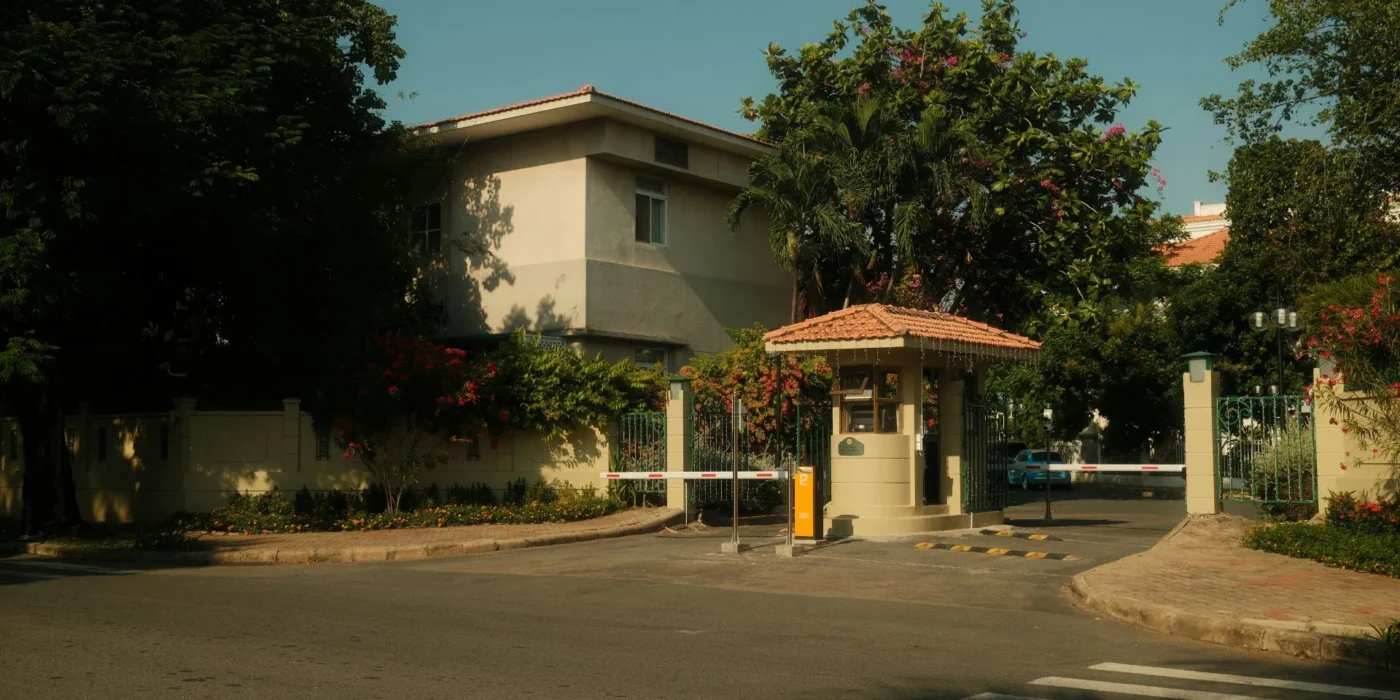
Secure premium villa community with perimeter security and protected residential surroundings.
CategoriesBlog

Why Perimeter Security Planning Impacts Long-Term Property Value

In premium residential developments, security is no longer treated as an add-on feature. It is foundational. Buyers today actively seek secure villa communities because safety influences not only daily comfort but also the long-term financial strength of an asset. When security is built into the planning stage, rather than introduced as an afterthought, it shapes how the entire community functions.

Perimeter security, in particular, plays a quiet but powerful role. Boundary design, surveillance layout, entry management, and access control systems together create a structured environment. Over time, this structure supports property appreciation, buyer confidence, and stronger resale demand. Developments that overlook this often face challenges that surface years later.

This article explores how perimeter security planning directly affects long-term property value, market perception, and investment stability.

Security as a Core Design Principle

To choose well-planned villa developments, perimeter security begins at the blueprint stage. The alignment of compound walls, entry and exit points, guard rooms, camera placements, and lighting infrastructure is carefully considered before construction begins.

When these elements are integrated early:

  • Blind spots are minimized.
  • Vehicle and pedestrian access can be monitored efficiently.
  • Emergency response pathways remain clear.
  • Future technology upgrades become easier to implement.

Communities that plan this from the start avoid costly retrofitting later. Retrofitting security systems can disrupt infrastructure, increase maintenance costs, and even create aesthetic compromises. Long term buyers notice these details, even if they cannot immediately articulate them.

The Link Between Security and Buyer Confidence

Property value is influenced by perception as much as by physical features. A well-secured boundary communicates order, governance, and active management. It reassures residents that safety is not reactive but proactive.

This is especially relevant in 24/7 security villas, where continuous monitoring supports peace of mind for families, senior citizens, and professionals who travel frequently. When buyers evaluate two similar projects, the one with visible and structured perimeter control often commands a premium.

Confidence drives demand. Demand supports value.

Over a 10 to 15 year period, communities with robust security frameworks tend to maintain stronger resale traction. Prospective buyers and tenants prefer environments where safety systems are already established and tested.

Gated Community Safety and Market Positioning

Gated community safety is frequently mentioned in marketing materials, but its true impact becomes visible during resale cycles. In secondary markets, buyers compare historical maintenance quality, incident records, and community governance.

Perimeter security influences:

  • Rental demand
  • Resale velocity
  • Insurance considerations
  • Community reputation

A community known for efficient access control and surveillance typically experiences lower tenant turnover. Lower turnover creates neighborhood stability. Stability strengthens brand perception.

Developments that lack clear entry control often face higher visitor mismanagement and increased strain on resident associations. Over time, this affects the overall desirability of the project.

Infrastructure That Protects Long-Term Appreciation

Security planning extends beyond guards and gates. It includes physical infrastructure choices such as:

  • Height and strength of compound walls
  • Smart fencing integration
  • Boom barriers and RFID systems
  • Visitor management technology
  • CCTV placement with data storage planning

When these systems are thoughtfully installed, maintenance remains predictable. This predictability supports stable association budgets, which in turn influences buyer decisions.

In contrast, projects that attempt to enhance security after occupancy often encounter rising maintenance costs. Escalating maintenance fees can slow down resale activity and impact perceived affordability.

In secure villa communities, structured perimeter planning ensures that safety does not become an operational burden. It remains a silent strength.

Impact on Insurance and Risk Assessment

Insurance providers assess risk exposure while determining premiums for residential developments. Properties with documented perimeter security measures, controlled access points, and surveillance systems may benefit from better risk categorization.

Lower perceived risk can:

  • Support competitive insurance premiums
  • Reduce claim disputes
  • Increase institutional buyer interest

Institutional investors, especially in luxury segments, prefer developments with clearly documented security protocols. Risk mitigation is a critical part of long-term asset evaluation.

Security planning, therefore, contributes not only to lifestyle comfort but also to financial structuring.

Lifestyle Value and Emotional Security

While financial metrics are important, lifestyle value cannot be ignored. Families choosing villa properties often prioritize privacy and personal space. A strong perimeter reinforces both.

Children can use outdoor areas more freely. Elderly residents can walk within the community without hesitation. Professionals working late hours return home without anxiety about uncontrolled access.

Over time, this emotional security becomes part of the property’s narrative. Residents speak about it. Visitors notice it. Future buyers hear about it through informal networks.

Word of mouth plays a significant role in luxury real estate. Communities known for structured security rarely struggle to attract interest.

Long-Term Governance and Operational Efficiency

A well-designed perimeter simplifies community management. Clear access points allow efficient guard deployment. Surveillance systems reduce dependency on manual oversight. Visitor logs create accountability.

These operational efficiencies help resident associations manage:

  • Vendor entries
  • Delivery coordination
  • Emergency access
  • Event management

Poorly planned security layouts often create friction between residents and management committees. Over years, friction erodes community satisfaction. Dissatisfaction reflects in resale conversations.

When perimeter planning is strong from the beginning, governance becomes smoother. Smooth governance strengthens long-term stability.

Technology Adaptability

Security technology evolves quickly. From AI-enabled surveillance to biometric access control, new systems emerge every few years.

Communities that design adaptable infrastructure can integrate upgrades without major reconstruction. For instance, provision for underground cabling, data rooms, and power backups makes future integration seamless.

This adaptability protects the asset from technological obsolescence. Buyers evaluating a 10-year-old property often ask whether it can support modern systems. Projects prepared for this question maintain stronger market confidence.

Why It Matters More in Premium Segments

In the villa segment, land value forms a significant portion of the overall asset. Protecting that land through structured boundaries becomes critical.

Unlike vertical apartments, villas offer individual plots. This increases privacy expectations. It also increases responsibility for perimeter planning at the community level.

In secure gated vlla communities, security is not simply about gates. It reflects planning discipline. Discipline in planning usually translates into discipline in construction quality, maintenance standards, and governance practices.

Buyers associate these traits with long-term reliability.

Conclusion

Perimeter security planning is often discussed in terms of safety, but its influence runs much deeper. It shapes buyer perception, resale strength, operational efficiency, insurance assessment, and community reputation. Over time, these factors converge to impact property value in measurable ways.

Secure villa communities that treat security as a structural priority rather than a marketing feature are better positioned to retain and grow value. Investors and end users alike benefit from environments where boundaries are thoughtfully designed, access is controlled, and management systems are structured from the outset.

In premium real estate, long-term value is rarely accidental. It is planned. And perimeter security remains one of the clearest indicators of that planning discipline