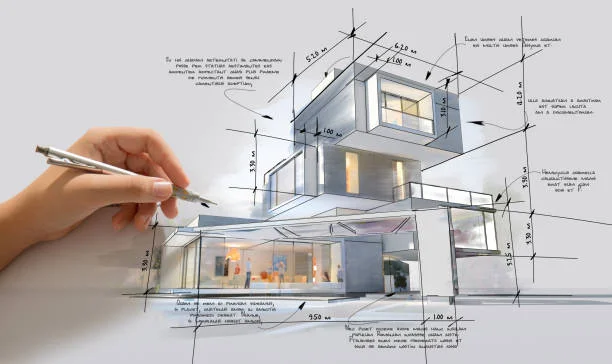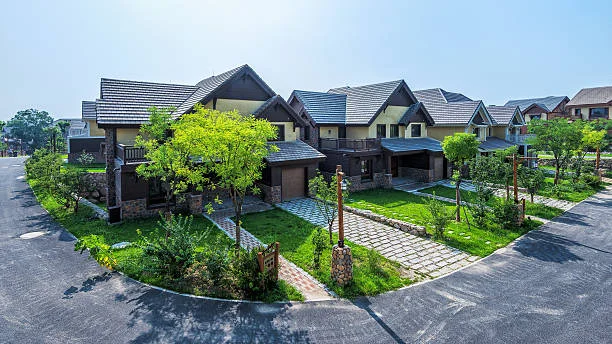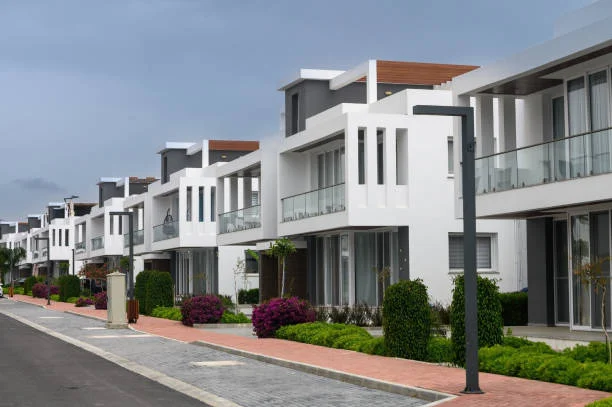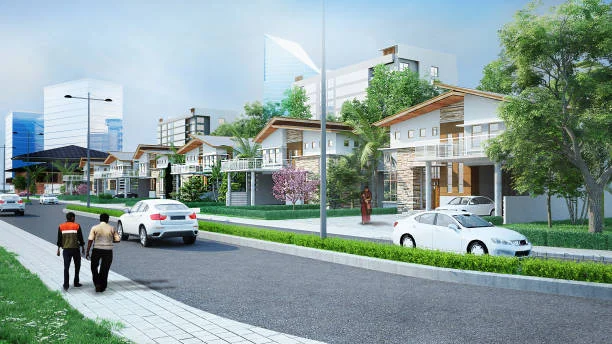
Modern villa floor layout showcasing balanced structural design, open living spaces, and functional room planning for better usability and stability.
CategoriesBlog

How Layout Planning Impacts Structural Stability and Usability in Villas

Ever walked into a villa and instantly felt like yep, this place just works? The rooms flow, the space feels calm, and nothing looks “forced.” That’s not luck. That’s planning.

And here’s the thing, most people don’t realise: a villa layout isn’t just a style choice. It’s not only about where the living room sits or how grand the dining space looks. Layout planning has a much bigger job. It quietly decides how stable the structure will be, how smoothly people can live inside it, and how well the villa holds up year after year.

This blog breaks down how layout planning impacts structural stability and everyday usability in villas, and why both should always be planned together.

Layout Planning: Where Design Meets Engineering

Villas usually aim for two things at once: luxury and openness. Big windows, wide spaces, double-height living rooms, airy interiors, the works.

But open doesn’t automatically mean safe or smart.

A layout affects how structural loads move through the building. Every wall, room division, large opening, and empty span changes how the structure behaves. When the layout is drawn without considering engineering needs early on, things get messy later.

What happens then?

  • Extra columns appear in awkward spots
  • Beams get oversized
  • Slabs demand heavier reinforcement
  • Layout beauty gets compromised quietly

That’s why villa planning needs both architects and structural thinking to move together from day one. Not later. Not after the fancy elevations are final. Early.

Column Placement and Structural Grid = Real Usability

Here’s a small truth: columns don’t care about furniture.

But people do.

A villa can look premium on paper and still feel annoying in real life if columns block movement or cut through room space. That’s why the structural grid matters so much. It decides where the columns and beams naturally fall.

When the layout aligns with a proper grid, columns land inside walls or along partitions. Meaning: nothing sticks out oddly. Spaces remain clean.

When layouts ignore this grid?

Suddenly, there’s a column in the middle of a living space. Or inside a bedroom corner. Or right where a wardrobe should go. And once it’s built, that’s it. No undo button.

A smart modern villa layout accounts for structure while planning interior space. The result feels effortless, not cluttered.

Open Living Areas and Double Heights: Beautiful but Sensitive

Yes, double-height living rooms look stunning. That “wow” moment is real.

But they also shift the structural behaviour of the villa. Open areas reduce internal supporting walls, meaning loads have fewer paths to travel down. So beams and columns take more responsibility.

Also, villas must handle lateral forces too (like wind and minor building movements). Large open zones can make this more challenging if not planned properly.

So what’s the solution?

Not closing everything up. Just planning it intelligently.

Good villa planning balances open zones with strategically placed supports, walls, shear elements, and beams, so the space stays large and the villa stays stable.

Basically, open doesn’t need to mean risky.

Circulation Planning: The Daily-Life Test

Structure matters, sure. But usability is what gets felt daily.

A layout can be structurally strong and still feel irritating if movement is awkward. For villas, this is super common because homes are larger, and wasted movement becomes obvious fast.

Good circulation planning means:

  • minimal dead corridors
  • clear movement lines between the living, dining, and kitchen
  • staircases placed naturally (not randomly)
  • private zones not exposed to visitors
  • easy outdoor access without walking through bedrooms

In a good modern villa layout, movement feels intuitive. Like the villa is guiding people. No confusion. No awkward turning. No “why is this door here?” moments.

And honestly, that’s what makes a villa feel premium. Not just marble.

Wet Zones and Service Areas: Where Mistakes Become Expensive

Bathrooms, kitchens, utility rooms, and wash areas. These spaces may look boring, but they’re the areas that can damage a villa the fastest if planned badly.

Here’s why:

Wet zones need proper plumbing routes, slopes, ventilation, and waterproofing. When bathrooms and kitchens are scattered randomly across floors, plumbing lines become longer and more complicated.

And with complexity comes risk.

  • harder maintenance
  • more leakage chances
  • more hidden pipe joints
  • moisture damage over time

The best practice in villa planning is clustering service zones. Bathrooms stacked above bathrooms. Kitchens are aligned with utility spaces. Pipe routes are kept short and direct.

It’s not just easier. It protects the structure long-term. Dampness and repeated moisture exposure can weaken finishes and create structural wear if ignored for years.

So yes, layout affects stability here too. Quietly. But seriously.

Flexibility: Layouts Should Grow With Life

Let’s be real, families change.

A guest room becomes a nursery. A kid’s room becomes a study. A “gym room” becomes storage (happens more than people admit). And sometimes, a ground-floor room becomes essential later on.

A flexible villa layout supports these changes without requiring demolition or major renovation.

The best layouts often include:

  • multi-use rooms (study + guest room)
  • balanced room shapes (easier to re-furnish)
  • future-friendly zoning (private vs public areas)
  • wider passages and stair access planned properly

A great villa layout isn’t just made for today’s lifestyle, it’s made for future versions of life too.

Layout Planning Helps Reduce Structural Stress Over Time

This part is overlooked a lot.

Structural stability isn’t only about strength on day one. It’s also about how evenly the building carries stress over the years.

Poor layouts often lead to:

  • irregular load paths
  • disconnected wall alignment
  • uneven structural distribution
  • stress concentration points

And what does that cause over time?

Hairline cracks. Minor settlement issues. Doors that don’t align right. Flooring that feels uneven in places. That tiny “something feels off” vibe.

A well-planned villa layout creates a rhythm in the structure. Loads flow smoothly. Openings are balanced. Walls align better. The building behaves predictably.

And predictable behaviour = long-term stability.

That’s the kind of villa that still feels solid after years. No drama.

Conclusion

A villa can look amazing and still fail the real test if the layout isn’t planned intelligently. Because layout planning isn’t just about where rooms go, it shapes how the structure carries loads, how open spaces are supported, and how comfortable daily movement feels inside the home.

When the villa layout is done right, the home feels spacious yet strong, open yet stable, and luxurious without being impractical. Columns don’t interrupt interiors, service areas remain manageable, circulation stays smooth, and the villa adapts naturally as life changes.

In the end, the best villas aren’t only the most stylish ones. They’re the ones where planning was thoughtful enough that everything feels easy. That’s what turns a design into a forever home.

Villa construction project with transparent planning and buyer communication building trust and confidence.
CategoriesBlog

How Construction Transparency Builds Buyer Confidence in Villa Projects

Buying a villa is rarely an impulsive decision. It involves long conversations, financial planning, and a quiet hope that what is promised today will still stand strong years later. In this context, construction updates play a larger role than many developers initially realise. They are not just progress reports, they are signals of intent, reliability, and respect for the buyer’s trust.

In recent years, homebuyers have become far more observant. They ask sharper questions, look beyond brochures, and pay attention to how openly a project communicates its progress. Transparency during construction has slowly shifted from being a value addition to an expectation.

This blog explores how transparent construction practices shape buyer confidence, influence long-term trust, and redefine what ethical real estate trends development looks like in villa projects.

Why Transparency Matters More Than Ever Today

The real estate market has matured. Buyers today have access to information, peer reviews, and past project histories within minutes. In this environment, silence creates suspicion, while clarity builds comfort.

Construction transparency reassures buyers that timelines are realistic, quality standards are consistent, and commitments are being honoured. It reduces the emotional distance between the developer and the buyer, replacing uncertainty with visibility.

When buyers feel informed, they feel included. That inclusion changes the entire ownership journey.

What Construction Transparency Actually Includes

Transparency is not limited to sharing photos once in a while. It is a structured approach to communication that reflects honesty at every stage of the build.

In villa projects, transparency often includes:

  • Regular construction updates with real site visuals
  • Clear explanations of milestones achieved and upcoming phases
  • Honest communication about delays, if any, along with revised timelines
  • Visibility into materials, workmanship, and approvals

This level of openness signals confidence in the process itself. Developers who build well usually have nothing to hide.

Reducing Anxiety Through Predictable Communication

One of the biggest emotional challenges for buyers is waiting. Construction timelines stretch across months, sometimes years. Without updates, this waiting period becomes stressful.

Consistent communication transforms waiting into watching progress. Buyers begin to understand the rhythm of construction, when certain stages take time, and why patience is sometimes necessary.

This predictability directly supports buyers’ confidence, because uncertainty is often more damaging than delays themselves.

Transparency as Proof of Process Discipline

Well-managed construction sites follow systems. These systems reflect how information is shared. Developers who maintain transparency usually have strong internal processes, clear documentation, and disciplined execution.

When buyers see structured updates rather than vague reassurances, it reinforces the idea that the project is being run professionally. Over time, this builds belief not just in the current project, but in the brand as a whole.

Transparency becomes proof that the developer values accountability.

The Role of Transparency in Quality Perception

Quality is not always visible immediately, especially during early construction stages. Structural work, foundations, and services are hidden once completed. Transparent communication helps buyers appreciate these invisible efforts.

By explaining why certain stages matter, or why timelines cannot be rushed without compromising standards, developers educate buyers rather than simply informing them.

This shared understanding leads to greater patience and trust, particularly in premium villa projects where long-term performance matters more than short-term speed.

Building Trust Beyond the Handover Date

Trust does not end at possession. Buyers remember how they were treated during construction long after they move in. Projects that maintain openness during development often see stronger word-of-mouth recommendations later.

Transparency also sets expectations clearly. Buyers who understand construction realities are less likely to feel misled or disappointed later.

This approach aligns closely with ethical real estate practices, where honesty is not a marketing tool but an operating principle.

Project Challenges and Honest Conversations

Every construction project faces challenges. Weather disruptions, supply delays, or regulatory processes are part of the industry. What distinguishes trustworthy developers is how these challenges are communicated.

Transparent developers address issues early, explain their impact, and outline corrective actions. This honesty often strengthens buyer relationships rather than weakening them.

Buyers appreciate realism. It signals maturity and respect.

Transparency and Long-Term Brand Equity

For developers focused on villas as long-term assests presence rather than quick sales, transparency becomes an investment. Each well-communicated project adds to a track record that future buyers notice.

In villa developments, where buyers often invest significant savings, reputation matters deeply. Transparent practices create consistency across projects, reinforcing credibility over time.

This consistency is what separates transactional builders from relationship-driven brands.

Digital Tools and the New Standard of Openness

Technology has made transparency easier and more expected. Site walkthrough videos, progress dashboards, and documented milestone updates are increasingly common.

When used thoughtfully, these tools enhance engagement rather than overwhelm buyers. The goal is clarity, not constant noise.

Digital construction updates, when aligned with real progress, become powerful trust-building tools rather than promotional content.

Transparency as a Shared Responsibility

While developers lead the process, transparency also encourages buyers to engage more constructively. Informed buyers ask better questions, understand timelines, and participate with realistic expectations.

This mutual understanding reduces friction and creates smoother project journeys for both sides.

In many ways, transparency turns buyers into informed stakeholders rather than distant observers.

Conclusion

In villa projects, confidence is built long before keys are handed over. It is built through consistent communication, honest progress sharing, and respect for the buyer’s need for clarity. Construction updates serve as the bridge between promise and delivery, shaping perceptions at every stage.

When transparency becomes a habit rather than an obligation, buyers feel secure, engaged, and valued. This trust strengthens buyers’ confidence and reinforces the foundations of ethical real estate development. In the long run, transparent construction is not just good practice, it is good business, and one of the strongest signals of reliability in a competitive market.


Modern luxury villa showcasing strong structural design, premium architecture, and durable construction with elegant exterior surroundings.
CategoriesBlog

Why Structural Engineering Matters More Than Interior Aesthetics in Villas

Walk into a beautifully styled villa, and it’s hard not to pause for a moment. Soft lighting. Clean lines. Furniture placed just right. It feels impressive. Almost cinematic. But once the initial excitement settles and everyday life moves in, another question quietly takes centre stage. Does this home actually hold up?

Interior design delivers the first impression. Infra-Structural engineering decides everything that follows. In villas, where space is generous and expectations are high, what lies beneath the paint and polish matters far more than what’s visible on day one. 

This blog takes a closer look at why the strength of a villa’s structure often matters more than how it looks at first glance.

Looking Good Versus Working Well

A home that looks good and a home that works well are not always the same thing. The difference doesn’t appear immediately. It shows up slowly. Over the years.

Well-planned villas for water management and feel steady. Floors stay level. Doors don’t shift. Walls don’t develop mysterious cracks after a few seasons of heat and rain. That kind of stability doesn’t come from finishes. It comes from how the home is engineered from the ground up.

The best homes don’t announce their strength. They simply perform quietly, day after day. And that reliability becomes the real luxury once the novelty of design fades.

Villas Are Structurally Demanding Homes

Villas aren’t compact boxes stacked next to one another. They’re open, expansive, and often complex.

Large living rooms. Double-height spaces. Wide balconies. Terraces. Staircases that float visually. All of this demands careful planning. Structural systems in villas must carry heavier loads across longer spans without compromising safety or comfort.

Without proper engineering, these design choices turn into problems. Sagging slabs. Unwanted vibrations. Uneven settlement. A home that looks grand but feels slightly off. Good engineering allows villas to feel open and generous while remaining stable and dependable.

When Structure Is Treated as an Afterthought

Structural issues rarely appear overnight. That’s what makes them dangerous.

It starts small. A hairline crack that’s easy to ignore. A door that needs a little extra push. Damp patches appear after heavy rain. Over time, these issues grow. Repairs become frequent. Costs rise. Living comfort drops.

Fresh paint and clever interiors can hide symptoms for a while. But structure doesn’t respond to cosmetics. Once compromised, it demands serious intervention. That’s why homes built without proper attention to structure often age poorly, no matter how stylish they once looked.

Comfort Is Built Into the Structure

Comfort isn’t only about air-conditioning or furniture placement. It’s built into the bones of the home.

Well-engineered villas manage heat movement better, reducing expansion-related cracks. They limit vibration between floors. They support proper insulation and waterproofing, allowing systems to perform as intended rather than fighting structural weaknesses.

Noise control is another quiet benefit. Floor thickness, slab design, and wall construction influence how sound travels. A villa that feels calm and quiet often owes that feeling to smart structural choices rather than decorative layers.

This is where structural engineering truly demonstrates its value. It shapes how a home feels long after the lights are switched off and the décor blends into the background.

Interiors Change. Structure Stays

Interiors are meant to evolve. Tastes change. Families grow. Needs shift.

Paint colours get refreshed. Kitchens are upgraded. Rooms are repurposed. These changes are part of living. Structure, however, is permanent. A poorly placed beam cannot be moved easily. A weak foundation cannot be reinforced without disruption.

Homes with strong structural planning offer freedom. Walls can be reworked safely. Spaces adapt to new uses. This flexibility is what separates long-lasting quality villas from homes that feel locked into one moment in time.

Safety Is Quietly Engineered

A safe villa relies on structural stability just as much as secure gates or surveillance. Foundations that resist settlement. Slabs that carry loads without stress. Staircases that remain solid over time. These aren’t visible features, but they’re essential ones.

When engineering is done right, safety fades into the background. Residents don’t worry about cracks, leaks, or instability. They live comfortably, trusting the home to do its job without constant attention.

Long-Term Value Lives Beneath the Surface

Buyers may be drawn in by interiors, but inspections focus on cracks, seepage, alignment, and overall stability. Villas with strong structural integrity retain value better and inspire confidence during resale.

They also cost less to maintain. Fewer repairs. Fewer surprises. Less disruption. Over decades, this consistency matters more than any short-lived design trend. That’s why quality villas tend to age gracefully, even as interiors are updated.

Engineering Makes Design Better

When structure is planned early and thoughtfully, architects gain freedom. Larger openings become possible. Cleaner lines emerge. Spaces feel light without feeling fragile.

In the best villas, design and structure work together rather than competing. Beauty rests on strength. Not the other way around. This balance is what allows a safe villa to feel open, elegant, and dependable all at once.

Asking Better Questions Makes Better Homes

Buyers don’t need technical expertise to make smart decisions. They just need to ask the right questions.

What kind of foundation is used? How is waterproofing handled? What materials are specified for structure, not finishes? These conversations reveal far more about a villa’s future than any staged living room.

Homes built with confidence welcome these questions. They don’t rely on surface appeal alone. They stand on solid reasoning and proven execution.

Conclusion

Interior aesthetics shape how a villa feels in the beginning. Structural engineering shapes how it feels for decades.

In villas, where space, openness, and longevity matter deeply, strength beneath the surface defines comfort, safety, and long-term value. A beautifully styled home with weak engineering eventually disappoints. A well-built home with modest interiors can always evolve, which is why quality villas continue to feel relevant over time.

The most enduring villas are the ones where structural engineering leads and design follows. Where strength quietly supports beauty. Where a safe villa becomes a dependable place to live, grow, and return to every day, that’s what truly defines lasting quality in villa living.

Modern luxury villa with premium construction detailing, elegant architecture, high-quality finishes, and sophisticated residential design.
CategoriesBlog

How Construction Detailing Reflects the True Quality of a Villa Project

When walking into a villa for the first time, the eye usually goes to the big stuff. Wide rooms. Smooth walls. Fancy finishes. Maybe a dramatic staircase. It all looks impressive, no doubt. But the real story of a villa doesn’t shout. It whispers. In corners you almost ignore. In joints you don’t think to check. How materials sit together after a few seasons of heat and rain. That’s where precision construction quietly shows its value. Not in the brochure. Not on day one. 

This blog is about how construction detailing reveals the true quality of a villa project, and why those small decisions matter far more than most people realise.

Where Building Ends and Craft Begins

Construction detailing is the line between the two. It’s the difference between things being assembled and things being thoughtfully put together. Good detailing makes transitions smooth, reduces future issues, and allows the structure to behave the way it’s supposed to.

In well-executed projects, details aren’t treated as last-minute fixes. They’re planned early and revisited often. That approach prevents common problems like cracks, seepage, uneven finishes, and awkward joints. Over time, these choices protect comfort and value in ways that flashy elements never can.

The Places Most People Don’t Look

Corners. Edges. Junctions where walls meet floors. Staircases connecting levels. Door and window frames. Balcony ends. These are the stress points of a villa. Movement happens here. The weather hits here. Mistakes show up here first.

In projects built with care, these areas are handled with allowances for expansion, drainage, and alignment. Lines stay clean. Surfaces remain intact. Cracks don’t rush to appear. This isn’t about expensive finishes. It’s about understanding how buildings behave over time and respecting that reality.

Waterproofing That Does Its Job Quietly

Rain, humidity, and daily usage. Terraces, balconies, bathrooms, and roof edges. These areas demand more than a quick coat and a crossed finger. Good waterproofing is about preparation, detailing, and execution.

In well-detailed high quality villas, slopes are planned correctly. Drain points are positioned with intention. Waterproofing layers extend beyond visible surfaces. When done right, it disappears into the background. When done poorly, it becomes a daily headache.

Many quality villas earn their reputation simply by avoiding these problems year after year.

Finishes Only Perform as Well as Their Base

Paint can’t hide bad plaster forever. Tiles won’t stay flat on an uneven base. Woodwork won’t behave if frames are misaligned.

This is where construction detailing quietly supports aesthetics. When the base layers are done right, the finishes sit comfortably. They age evenly. They need fewer touch-ups. They don’t fight the structure underneath.

In projects built with precision construction, finishes don’t feel fragile. They feel settled. That’s why some villas continue to look well-kept years later, while others start showing wear surprisingly fast.

Alignment, Proportion, and That Subtle Sense of Calm

Ever walk into a home and feel something’s off, even if you can’t explain why? Often, it’s alignment. Tiles are slightly drifting. Switchboards are placed without consistency. Doors are not sitting flush. Windows that don’t line up across floors. Small things, but they add up.

Good detailing respects visual lines. Levels are checked. Measurements are rechecked. Proportions are maintained. The result is subtle but powerful. Spaces feel calmer. More intentional. This is one reason quality villas feel refined even without loud design elements.

Comfort and Maintenance Are Built, Not Added

Construction detailing isn’t just about how things look. It directly affects how a villa feels to live in.

Proper detailing helps with sound control between rooms. It supports better temperature regulation. It reduces dust traps and moisture-prone corners. Over time, it also makes maintenance easier.

A few examples where this shows up:

  • Service access that doesn’t disrupt interiors
  • Joints placed thoughtfully to avoid visible cracking
  • Edge protection in high-use areas

These details don’t sell homes. They support daily life. And that support becomes noticeable only after moving in.

What Detailing Says About the Builder

Construction detailing often reveals mindset more than skill. When details are rushed, it usually points to speed or cost-cutting. When details are handled carefully, it signals long-term thinking. Builders who focus on detailing are thinking beyond handover day. They’re thinking about how the villa will perform years later.

That intent becomes clear once people start living there. Fewer complaints. Fewer repairs. A home that continues to feel solid. Many quality villas earn trust not through marketing, but through this consistency over time.

Why Buyers Should Slow Down and Look Closer

It’s natural to focus on layout and finishes. They’re easy to understand. Detailing requires a slower look, but it’s worth it.

Check corners. Look at joints. Notice how materials meet. Ask how waterproofing is handled. Observe alignment. These small observations say a lot about build quality.

A villa built with care doesn’t need much explanation. It feels balanced. Everything seems to sit where it belongs.

Precision Shows in the Middle of the Story

Here’s the thing. The impact of precision construction is rarely visible at the beginning or the end. It shows up in the middle. After a few years. When the weather tests the structure. When daily living has worn on surfaces.

That’s when detailing reveals itself. Either through constant small problems. Or through their complete absence.

Conclusion

The true quality of a villa project isn’t defined by what stands out on the first visit. It’s defined by how well everything fits together beneath the surface. Construction detailing is where planning, execution, and long-term thinking quietly meet.

From junctions and waterproofing to alignment and finishes, details shape how a villa performs, ages, and feels to live in. They reduce stress. They protect value. They support everyday comfort.

In the end, precision construction isn’t about perfection. It’s about intention. When details are handled with care, precision construction turns a house into a dependable place to live. That’s why precision construction sits at the heart of truly lasting villa quality.

Luxury 4BHK villa with modern construction design, strong architecture, elegant exterior, and premium residential surroundings.
CategoriesBlog

From Foundation to Finish: How 4BHK Villa Construction Standards Impact Long-Term Durability

A 4BHK villa is never just about extra rooms or more square footage. It’s about longevity. It’s about building a space that can handle daily life, growing families, changing routines, and the slow wear that comes with time. This is where quality villas quietly stand apart from everything else.

Design often gets the spotlight. Layouts. Elevations. Finishes. But durability is shaped long before any of that becomes visible. It’s shaped by the choices made during construction. The kind you don’t see once the walls go up. 

This blog looks at how each stage, from foundation to finish, influences how a 4BHK villa performs years down the line.

Why Size Alone Doesn’t Guarantee Strength

A 4BHK villa carries more structural load, more plumbing lines, more electrical demand, and more daily movement than smaller houses. Without careful planning, that added pressure shows up slowly. A crack here. A leak there. Floors that don’t feel quite right after a few seasons.

This is where construction standards quietly do their work. They ensure that materials, execution, and structural logic match the scale of the home. Durability isn’t created by size. It’s created by consistency. And in large villas, that consistency matters even more.

The Foundation Decides How Long the Villa Will Last

A long-lasting 4BHK villa starts with soil testing and a foundation designed specifically for the site. Soil type, moisture levels, and load requirements decide how deep and reinforced that base needs to be. Skipping this step or rushing through it almost always leads to future settling issues.

Good foundation work relies on proper concrete grades, correct steel reinforcement, and adequate curing time. These steps are rarely visible once construction progresses, but they decide whether the structure remains stable for decades or slowly develops problems that are difficult and expensive to correct.

Structural Framework and Load Balance

Columns, beams, slabs, and load-bearing walls need to work together. In 4BHK homes, poor spacing or insufficient reinforcement creates stress points that weaken the building over time. These weaknesses don’t show up immediately. They appear gradually, often years later.

This is where construction standards play a critical role again. Correct steel placement, proper concrete strength, and precise alignment ensure that weight is distributed evenly. A well-built structure stays silent. No vibrations. No visible sagging. Just stability that doesn’t demand attention.

Walls That Do More Than Divide Space

In a villa, wall quality affects insulation, moisture resistance, and overall stability. Brick or block selection, mortar ratios, and workmanship all matter. When executed poorly, walls develop hairline cracks, seepage issues, and surface irregularities that appear far sooner than expected.

Strong masonry supports long-term durability and improves how finishes perform later. When walls remain stable, finishes last longer. Repairs become less frequent. This is one of the quiet advantages of careful villa construction that many homeowners only appreciate years later.

Waterproofing as a Long-Term Safeguard

In 4BHK villas, multiple bathrooms, balconies, terraces, and roof areas increase exposure to moisture. Ignoring waterproofing details almost guarantees future issues. Damp patches. Peeling paint. Hidden concrete damage.

Well-planned waterproofing relies on correct membranes, proper slopes, and sealed joints. These steps are guided by clear construction standards. When followed properly, water stays where it belongs. When ignored, it finds its way into places it shouldn’t, often long before anyone notices.

Electrical and Plumbing Systems That Age Well

Plumbing and electrical systems need to be designed for long-term use and future upgrades. In large villas, poor planning leads to frequent breakdowns and invasive repairs. Walls get opened. Finishes get damaged. Costs keep adding up.

High-quality villa construction uses durable pipes, safe wiring routes, correct gradients, and accessible maintenance points. This ensures systems remain reliable as usage increases. A well-planned setup adapts. A poorly planned one constantly demands fixes.

Roofing and Drainage Against the Elements

Heat. Rain. Wind. Seasonal changes. A durable roof is designed to handle all of it. Proper slopes, drainage channels, and material selection prevent water accumulation and surface damage.

Weak drainage causes pooling, which weakens concrete and increases leakage risks. Over time, this damage spreads downward. Strong construction standards make weather resistance a built-in strength rather than an ongoing concern.

Finishes That Protect, Not Just Decorate

Flooring, plaster, paint, and joinery act as the villa’s final shield. High-quality finishes resist moisture, wear, and daily impact far better than low-grade alternatives. Preparation and application matter just as much as material choice.

When finishes are rushed, they crack and peel quickly. When done right, they age quietly. This is another area where disciplined villa construction reduces future maintenance without drawing attention to itself.

Supervision and Quality Control on Site

Regular inspections ensure materials meet specifications and workmanship stays consistent. Curing times are respected. Alignment stays accurate. Shortcuts are avoided.

In large homes, small mistakes repeated across multiple areas compound over time. Strong supervision ensures durability is built in from the start, not corrected later at a higher cost.

Maintenance Costs and Long-Term Value

Homes built with care require fewer repairs, lower maintenance, and fewer disruptions over time. Structural stability protects resale value and keeps the home desirable for years after completion.

This is why quality villas age better. They don’t rely on constant fixes. They remain dependable, comfortable, and structurally sound.

Conclusion

From the foundation to the roof, from internal systems to surface finishes, construction standards decide how a 4BHK villa performs over time. They determine whether a home quietly supports daily life or slowly demands attention through repairs and issues.

Choosing to build quality villas means choosing long-term peace of mind. It means fewer surprises, lower costs, and a home that stays strong as years pass. In the end, quality villas aren’t defined by how they look on day one. They’re defined by how well they stand years later.

Construction site showing phased building work for improved project quality and timely delivery.
CategoriesBlog Uncategorized

How Construction Phasing Impacts Project Quality and Timely Delivery

In any large-scale build, quality and timelines rarely fail because of ambition. They usually falter due to how the work is sequenced. The order in which activities unfold on-site quietly determines whether a project moves forward with control or constantly plays catch-up. This is especially true in complex residential developments where multiple teams, materials, and approvals intersect daily.

A well-structured high quality villa with construction execution plan is often the difference between a site that feels calm and predictable, and one that feels rushed and reactive. When phasing is done right, progress becomes visible, risks reduce naturally, and quality has room to settle in rather than being forced at the end.

This blog explores how thoughtful construction phasing influences build quality, reduces delays, and supports smoother delivery across long project timelines.

What Construction Phasing Really Means on Site

Construction phasing is not just a schedule broken into parts. It is a strategic decision-making framework that determines when each activity begins, overlaps, pauses, or concludes. Good phasing considers more than dates. It accounts for labor availability, material lead times, inspections, weather exposure, and even site logistics.In practical terms, effective phasing ensures that:

  1. Teams are not stacked on top of each other competing for space
  2. Materials arrive when they can be installed, not stored indefinitely
  3. Quality checks happen progressively, not as a rushed final step

This approach allows work to flow rather than pile up, which has a direct impact on consistency and safety.

Why Poor Phasing Leads to Compromised Quality

When construction phases are compressed or misaligned, quality often suffers quietly at first. Structural Engineering of interior asthetics work may be rushed to accommodate finishing timelines. Services like plumbing and electrical may be forced into partially complete spaces. Finishing trades then inherit problems they did not create.

Some common quality risks from poor phasing include:

  • Inadequate curing time for concrete and masonry
  • Rework caused by overlapping trades
  • Surface finishes applied before moisture levels stabilize
  • Limited access for proper inspections

These issues do not always show immediately, but they surface later as maintenance complaints, performance failures, or structural fatigue.

Phasing as a Tool for Risk Management

Construction sites are dynamic environments. Weather shifts, supply delays, and workforce changes are inevitable. Strong project execution planning uses phasing to absorb these disruptions without derailing the entire timeline.

For example, dividing work into clearly defined structural, services, enclosure, and finishing phases allows adjustments within one phase without cascading into others. It also makes contingency planning more realistic, since each phase has its own dependencies and buffers.

When risks are isolated instead of spread across the site, corrective action becomes faster and more precise.

The Role of Phasing in Timely Delivery

Timely delivery is rarely about speed alone. It is about predictability. Projects delivered on time typically follow a rhythm where progress is steady and measurable rather than dramatic and uneven.

Effective phasing supports this rhythm by:

  • Creating realistic milestones that reflect site conditions
  • Preventing idle time caused by unresolved prerequisites
  • Allowing parallel work only where coordination is strong

In residential projects, especially villa construction, phasing helps align external works like roads and landscaping with internal finishing so handovers feel complete rather than rushed.

How Phasing Improves Coordination Across Teams

Construction involves dozens of specialized teams. Without clear phasing, coordination becomes dependent on constant supervision and firefighting. Phasing replaces guesswork with clarity.

When teams know exactly when their scope begins and ends, accountability improves. It also reduces friction between contractors, since responsibilities are defined by phase boundaries rather than verbal instructions.

Well-communicated phasing plans typically lead to:

  • Fewer disputes over site readiness
  • Better adherence to quality checklists
  • Improved morale due to reduced uncertainty

This clarity matters over long project durations, where fatigue and confusion can otherwise build up.

Project Adjustments Without Chaos

No project follows its original plan perfectly. What matters is how adaptable the structure is when change becomes necessary. Phasing allows adjustments without dismantling the entire workflow.

For instance, if material delivery for a specific finish is delayed, a phased plan may allow work to progress in adjacent areas without affecting critical paths. Without such segmentation, delays tend to ripple unpredictably.

This flexibility is one reason why strong construction execution plans are often revisited and refined during the build, not treated as static documents.

Quality Control Embedded Into Phases

One of the most overlooked benefits of good phasing is how naturally it supports quality control. Inspections, testing, and approvals become part of the workflow rather than interruptions.Instead of inspecting everything at the end, quality checks can be aligned with phase completions, such as:


  • Structural audits after framework completion
  • Services testing before wall closures
  • Waterproofing inspections prior to finishes

This layered approach catches issues early, when corrections are still manageable.

Long-Term Performance Begins with Phasing

Buildings age based on how they were constructed, not how quickly they were completed. Proper sequencing allows materials to perform as intended, systems to integrate cleanly, and finishes to settle without stress.

In residential developments, this directly affects long-term comfort, maintenance costs, and structural integrity. Phasing may feel like an internal planning detail, but its outcomes are visible for decades.

Why Phasing Deserves More Attention Early On

Many project issues traced back to execution could have been avoided with more attention to sequencing during planning stages. Phasing decisions made early influence procurement, staffing, and even design coordination.

Strong project execution planning treats phasing as a strategic tool, not an administrative one. It aligns ambition with realism and ensures that quality is built progressively rather than inspected at the end.

Conclusion

Construction success is rarely accidental. It is built phase by phase, decision by decision. When sequencing is thoughtful, quality becomes consistent and timelines become reliable. When it is neglected, even well-funded projects villas struggle.

A robust construction execution plan creates the structure needed for teams to perform at their best, particularly in complex builds like villa construction where coordination and finish quality matter deeply. By respecting the role of phasing, projects are not only delivered on time but delivered with confidence, durability, and intent.


Modern premium 4BHK villa exterior with luxury architecture, spacious design, landscaped surroundings, and elegant residential community setting.
CategoriesBlog

What Defines Construction Quality in Premium 4BHK Villa Projects?

When people talk about luxury homes, the conversation usually circles size, amenities, or location. But anyone who’s lived in a house for a few years knows something else matters just as much. Sometimes more. How well it’s actually built. A premium villa isn’t defined by shine on day one. It’s defined by how it holds up when real life moves in. Construction quality decides whether a home continues to feel solid, calm, and low-maintenance over time. It shapes daily comfort, long-term costs, and even resale value. 

This blog breaks down what truly defines construction quality in high-end 4BHK villas and how to recognise it beyond glossy brochures and show homes.

Structural Strength That Goes Beyond Minimum Standards

Strong villas begin with strong bones. That means careful foundation design, accurate load distribution, and the right mix of concrete, steel, and structural planning. Beams, columns, and slabs aren’t just engineered to pass inspections. They’re built to handle years of use, shifting seasons, and environmental stress without developing cracks, sagging floors, or alignment issues.

In a well-constructed 4BHK villa, this strength shows quietly. Doors stay aligned. Windows don’t jam. Floors remain even. Walls don’t develop mysterious hairline cracks after a few monsoons. These small signs tell a bigger story. The structure was built with patience, not shortcuts.

Materials Chosen for How They Age, Not Just How They Look

Materials determine how a home grows older. And in premium construction, the focus isn’t only on appearance. It’s on performance.

High-grade cement mixes, durable reinforcement steel, weather-resistant exterior coatings, and long-life plumbing systems all reduce future repairs. They protect the structure instead of simply covering it. Inside the home, flooring, doors, windows, and wall finishes are selected not just for beauty, but for how they handle daily use.

High-traffic areas are built to last. Surfaces resist wear instead of hiding it temporarily. Over time, this means fewer repairs, fewer replacements, and far less frustration. This is where experienced quality home builders stand apart. They understand that the real cost of construction shows up years later, not at handover.

Workmanship That Makes the Invisible Matter

True construction quality is found in the details most people never notice at first. The straightness of walls. The evenness of floors. The slope in bathrooms that actually directs water where it should go. The way fittings sit cleanly without forcing or misalignment. These details create a home that feels cohesive rather than assembled in parts.

Good workmanship also lives behind walls. Electrical conduits are placed correctly. Plumbing lines are installed with proper gradients. Waterproofing is applied thoroughly in bathrooms, balconies, and terraces. These hidden systems prevent common problems like seepage, dampness, and electrical faults.

In many premium projects, the difference only becomes obvious years later, when everything still works the way it should.

Engineering That Prioritises Everyday Comfort

Sound insulation between rooms. Thermal planning that reduces heat buildup. Ventilation paths that allow air to move naturally. These aren’t decorative choices. They’re construction decisions. And they directly affect how a home feels, day after day.

Well-designed high quality villas often use wall thickness, slab treatment, and window placement to manage noise and temperature naturally. The result is a quieter, cooler, more balanced indoor environment. Comfort becomes part of the structure itself, not something that depends entirely on machines.

This is another area where quality home builders quietly add long-term value. They don’t just build walls. They build environments that support daily life.

Waterproofing, Drainage, and the Systems You Never See

Waterproofing is a perfect example. Terraces, bathrooms, balconies, and external walls need proper treatment to prevent moisture from entering the structure. Poor waterproofing rarely shows immediately. But over time, it leads to stains, peeling paint, mould, and structural weakening.

Drainage works the same way. Correct slopes, well-connected downpipes, and thoughtful rainwater management protect the foundation and prevent water accumulation around the home. These systems are effective only when they’re planned from the start, not added later.

Electrical routing, plumbing layout, and ventilation shafts also fall into this category. When designed with long-term access and safety in mind, they reduce future maintenance issues and make repairs far easier. This invisible planning is often the true difference between average construction and a premium villa built to last.

Quality Control That Doesn’t Rely on Luck

Consistent quality requires constant supervision, testing, and documentation. Concrete strength checks. Material inspections. Stage-by-stage approvals. On-site engineering oversight. These processes ensure that every phase of construction meets the same standard.

In premium 4BHK developments, deviations aren’t ignored. They’re corrected early. Materials that don’t meet specifications are rejected. This structured approach prevents small compromises from becoming permanent flaws.

It’s here that reliable quality home builders truly stand out. They don’t treat quality checks as formalities. They build them into the process.

Finishes That Protect as Much as They Impress

Exterior coatings protect the structure from the weather. Flooring systems withstand years of foot traffic. Doors, windows, and fittings are installed in ways that avoid stress on surrounding materials. Every layer is meant to support the one beneath it.

Attention is also paid to transitions. Where walls meet floors. Where indoor spaces connect to outdoor areas. Where structural elements meet decorative finishes. Clean transitions prevent cracks, moisture entry, and premature wear.

Good finishing doesn’t hide structural flaws. It enhances a solid framework, allowing the villa to maintain both beauty and performance over time.

The Role of Builders in Long-Term Value

Experienced quality home builders understand that reputation isn’t built on launch day. It’s built over years of occupancy. Every decision, from material sourcing to site supervision, affects how the home performs long after the keys are handed over.

They build for durability, not just delivery. For living, not just selling. That mindset is what transforms a large house into a lasting home.

Conclusion

Construction quality in premium 4BHK projects isn’t defined by how striking a home looks on the day of possession. It’s defined by how well it performs years later.

Strong structural design, carefully selected materials, precise workmanship, thoughtful engineering, and disciplined quality control all shape a home that remains stable, comfortable, and easy to maintain. The most valuable parts of construction are often the ones you never see, yet they shape daily life in quiet, lasting ways.

A truly premium villa isn’t just built to impress. It’s built to endure. To support real life without constant repair. To retain its value through strength and consistency, not novelty. That’s the real meaning of construction quality.

CategoriesBlog

Why Villa Communities Are Becoming the Preferred Choice for Long-Term Homebuyers

For many homebuyers today, the idea of a home has quietly shifted. It is no longer just about square footage or the number of rooms. It is about how a space supports daily life over decades. This is where villa communities are increasingly finding their place in long-term homeownership conversations. They offer something that feels both practical and reassuring, especially for families thinking beyond the immediate present.


The appeal is not sudden or driven by trends alone. It is rooted in how people want to live as priorities change, families grow, and expectations from a home evolve. Space, privacy, security, and flexibility all start to matter more with time.


The blog explores why villa communities are emerging as a preferred choice for long-term homebuyers, looking closely at lifestyle needs, design advantages, financial sense, and the emotional comfort they bring over the years.


A Home That Grows With the Family


One of the strongest reasons homebuyers lean toward villa living is adaptability. A villa is not designed just for a phase of life. It supports multiple stages without forcing compromises.


Young families value open layouts and safe outdoor spaces. As children grow, the same home accommodates study areas, hobby rooms, or quiet corners. Later, when parents age, ground-floor rooms and wider internal circulation make daily movement easier and safer.


Apartment living often struggles to offer this flexibility without structural limitations. Villas, by design, allow homeowners to adapt interiors over time, whether it is adding storage, reworking rooms, or simply adjusting how spaces are used.


This long-term adaptability gives buyers confidence that they are not buying a temporary solution.


Privacy Without Isolation


Privacy is often misunderstood as isolation. Well-planned villa communities strike a balance that many buyers actively seek.


Within the home, families enjoy clear separation from neighbors. No shared walls. No overhead noise. Outdoor spaces belong to the household, not to a shared corridor or common lawn. This sense of personal territory becomes deeply valuable over time.


At the same time, the community aspect remains intact. Children have friends nearby. Families recognize familiar faces during evening walks. Festivals and casual interactions happen naturally, without being forced.


This blend of independence and social comfort is difficult to achieve in standalone villas or dense apartment complexes, which is why thoughtfully planned villa communities continue to attract long-term buyers.


Design That Prioritizes Comfort Over Density


Long-term homebuyers often become more sensitive to design details that are easy to overlook during short stays. Natural light, ventilation, room proportions, and noise control all start to impact daily well-being.


Villas generally offer:


  • Better cross ventilation due to multiple open sides
  • Larger windows that bring consistent daylight
  • Clear zoning between active and quiet areas
  • Reduced exposure to shared mechanical noise


Over years, these factors directly affect comfort, sleep quality, and overall mental ease. A home that feels calm on most days becomes more valuable than one that simply looks impressive on day one.


This is also where location-specific planning matters. In areas like villas in Sarjapur, developers increasingly account for climate, airflow, and orientation, making villas more comfortable across seasons.


Community Planning That Enhances Daily Life


Modern villa communities are no longer just clusters of independent homes. They are carefully planned environments where infrastructure plays a major role in quality of life.


Internal roads are designed for slower traffic. Green buffers reduce dust and noise. Common amenities are placed thoughtfully to avoid crowding near homes. Security systems are layered rather than intrusive.


Over time, these details add up. Morning walks feel pleasant. Children play without constant supervision. Elderly residents feel safe stepping out.


This level of planning is especially important for buyers who see their home as a long-term anchor rather than a stepping stone.


Financial Stability and Long-Term Value


For buyers thinking long-term, emotional comfort must align with financial sense. Villas often perform well on both counts.


Land ownership is a key factor. Unlike apartments, villas typically include a proportionate share of land, which historically holds value more steadily. Over time, this contributes to stronger appreciation potential.


Additionally, maintenance costs in villa communities are often more predictable. There is less dependency on high-rise infrastructure such as elevators or centralized mechanical systems, which tend to age faster and cost more to replace.


For families thinking about passing on property as part of their financial planning, this matters. Many buyers now view villas not just as homes, but as legacy villas that can serve future generations without major structural compromise.


Emotional Security and Sense of Permanence


A long-term home is as much an emotional decision as a practical one. Villas tend to create a stronger sense of permanence.


Owning a front gate, a small garden, or a private outdoor space builds attachment. Families personalize these spaces over years, planting trees, marking milestones, and creating routines that are deeply personal.


This emotional investment is difficult to quantify but easy to recognize. Homebuyers who prioritize stability often gravitate toward environments that allow such personal expression.


In villa communities, this sense of ownership feels complete, not partial.


Better Alignment With Multigenerational Living


As family structures evolve, many households now include aging parents or plan for future caregiving needs. Villas naturally support this arrangement better than most residential formats.


Separate floors, quieter zones, and the ability to create private yet connected spaces make daily living smoother for all age groups. This reduces friction within the household and allows families to stay together longer, without feeling cramped or overwhelmed.


For long-term buyers, this flexibility reduces the risk of needing to relocate later due to changing family needs.


Location Choices That Support Long-Term Planning


Villa developments are increasingly positioned in growth corridors rather than congested urban centers. Locations like Sarjapur reflect this shift.


These areas offer a balance between connectivity and breathing space. Access to schools, workplaces, and healthcare improves steadily, while the living environment remains calmer than city cores.


For buyers who plan to stay put for decades, this trajectory makes sense. The neighborhood grows around them, rather than outgrowing them.


Conclusion


The growing preference for villa communities is not driven by luxury alone. It is driven by longevity. Buyers want homes that remain comfortable, relevant, and valuable over time.


They want spaces that adapt to life changes, support well-being, and hold emotional and financial significance across years. When evaluated through this lens, villas consistently stand out.


In the end, villa communities appeal to long-term homebuyers because they align with how people actually live, not just how they buy. They offer stability without stagnation, privacy without isolation, and value that extends well beyond the present moment.


CategoriesBlog

What Makes a Villa Community Truly Livable Beyond Brochures and Floor Plans

It’s easy to fall in love with a home on paper. Clean layouts. Polished visuals. Promises of comfort, space, and a better life. But anyone who’s actually lived in Gated community Villas knows something important: what looks impressive in a brochure doesn’t always translate into how a place feels on an ordinary Tuesday. A truly livable home isn’t measured only in square feet or finishes. It’s felt in quiet mornings, unhurried evenings, and the ease of everyday routines. 

This blog looks beyond floor plans and marketing to explore what really makes a community work in real life.


The Flow of Everyday Living

In a well-planned neighbourhood, movement feels natural. Roads don’t overwhelm. Parking doesn’t become a daily negotiation. Paths connect logically instead of forcing awkward detours. Even small details, where deliveries happen, how visitors enter, how service areas are handled, shape daily experience more than people expect.

When planning supports routine, residents stop thinking about logistics. Life just flows. And that quiet ease is often the first sign that a place is genuinely livable.


Community That Grows Naturally

The most livable spaces don’t push people to interact. They simply make it easy when they want to. A casual greeting during a walk. A shared smile while watching kids play. Familiar faces at the clubhouse without feeling obligated to stay.

This is where well-designed common spaces make a difference:

  • Walkable internal streets that encourage movement
  • Open green areas that feel relaxed rather than formal
  • Small seating zones that invite casual pauses

Over time, these spaces quietly shape how neighbours relate to one another. No forced events. No artificial bonding. Just familiarity that grows at its own pace.

Privacy That Doesn’t Feel Isolating

Privacy is one of the biggest reasons people choose villas. But true privacy doesn’t come from cutting off the world.

In thoughtfully planned developments, homes are positioned to reduce direct overlooking. Landscaping softens boundaries without turning them into walls. Outdoor areas feel personal without becoming closed boxes.

This is especially important in lifestyle villas, where the promise is not just space, but comfort in how that space is experienced. Residents can enjoy solitude when they need it, while still sensing life around them. A place that feels alive without ever feeling intrusive.


Safety That Becomes Invisible

In genuinely livable settings, safety doesn’t announce itself. It’s simply felt. Well-lit streets. Controlled access. Thoughtful site planning. All of it is working quietly in the background.

The real proof shows up in small moments. Children playing freely. Evening walks that feel relaxed. Doors left open just a little longer. When safety is designed properly, it disappears into everyday life. And that’s exactly when it’s doing its job best.

This sense of ease is one reason why many families are drawn to gated community villas in Bangalore, where structure and comfort often go hand in hand.


Amenities That Fit Real Life

Amenities look great in brochures. Pools. Gyms. Parks. Clubhouses. But the question that actually matters is simple: are they used?

In truly livable developments, amenities are placed where people naturally pass through. A walking track that becomes part of a morning routine. A playground that fills up after school without being scheduled. A fitness space that feels close enough to use regularly, not just on “good intentions” days.

In well-planned villa communities, amenities don’t feel like extras. They feel like extensions of daily life.

And this is where lifestyle villas quietly stand apart. They’re not about stacking features. They’re about designing spaces that become part of routine. No pressure. No performance. Just usability.


Management, Maintenance, and the Long View

What separates a good neighbourhood from a truly livable one often has nothing to do with design.

It shows up years later.

Well-kept landscapes. Clean common areas. Roads that don’t deteriorate quickly. Lighting that still works. These details don’t make headlines, but they define how a place feels long after the handover.

Clear communication. Responsive maintenance. Long-term planning. All of it builds trust. And that trust is what allows residents to settle in, not just occupy a house.

This is why long-standing villa communities often feel calmer and more grounded than newly launched projects still living on promise alone.


How a Place Shapes Everyday Emotion

It shows in how people talk about where they live.

if they are at ease.

Whether mornings start off peacefully or tensely.

Do you prefer to enjoy evenings over recovering from them?

In strong gated community villas in Bangalore, this emotional layer develops quietly. Neighbours recognise one another. Children grow comfortable in shared spaces. Routines form without effort.

Over time, the environment stops feeling like a project and starts feeling like a neighbourhood.

That emotional comfort can’t be captured in a floor plan. But it’s the part that lasts the longest.


When Design Supports Real Life

The difference between a visually impressive project and a truly livable one often comes down to intention.

  • Are streets designed for people or just vehicles?
  • Are green spaces usable or just decorative?
  • Are homes arranged for privacy without isolation?

In well-planned lifestyle villas, these questions are answered thoughtfully. The design doesn’t try to impress constantly. It simply supports life as it unfolds.

And in many gated community villas in Bangalore, this kind of planning is what turns good design into everyday comfort.


Conclusion

What makes a place truly livable goes far beyond floor plans, elevations, and feature lists. It lives in how days begin and end. In how easily people move, rest, connect, and feel at ease. How privacy and community exist without conflict. How safety, maintenance, and thoughtful planning quietly shape everyday life.

A brochure can show what a place looks like. A plan can explain how a home is arranged. But only lived experience reveals whether villa communities actually work. When design, management, and human rhythm come together naturally, a neighbourhood becomes more than a collection of houses. It becomes a place where life feels balanced, familiar, and genuinely worth settling into.


CategoriesBlog

Community Amenities That Add Real Value to a Villa Purchase

Purchasing a villa is more than just buying a house; it’s an investment in a lifestyle and a long-term asset. In the competitive Indian real estate market, particularly in gated communities and luxury projects, the value proposition often extends far beyond the square footage of the villa itself. The community amenities and surrounding infrastructure are crucial factors that determine your daily quality of life, the rental potential, and, most importantly, the final resale value of your investment.

Not all amenities are created equal. Savvy villa investors should look beyond the brochure’s glamorous pictures and focus on features that offer tangible utility, enhance safety, and contribute to a vibrant community ecosystem.

I. The Foundation: Essential Amenities for Long-Term Value

These are the non-negotiables that act as the backbone of a premium villa community and directly impact both living standards and property appreciation.

1. Robust, Multi-Layered Security

The peace of mind that comes with superior security is priceless, and it’s a top-tier driver of value in India. A standard watchman at the gate is no longer enough.

  • What to Look For:
    • 24/7 Gated Access Control: Controlled entry/exit for residents and verified visitors only.
    • High-Definition CCTV Surveillance: Coverage across all common areas, boundary walls, and entry/exit points.
    • Perimeter Security: Features like electric fencing or beam sensors on the boundary wall.
    • Smart Security Integration: Intercom systems, video door phones, and boom barriers linked to the central security hub.

2.  Uninterrupted Utility Infrastructure

Reliable utilities prevent daily discomfort and are essential for high rental yield, especially from expats or corporate tenants.

  • What to Look For:
    • 100% Power Backup: Full-load backup for common areas and partial or full backup within the villa itself. This is critical for areas prone to power cuts.
    • Efficient Water Management: Reliable, clean water supply, and, increasingly, rainwater harvesting and sewage treatment plants (STP). These sustainable systems are a mark of a future-proof project.

3.  Thoughtful Green Spaces and Landscaping

Lush, well-maintained greenery doesn’t just look good; it acts as a premium buffer from urban pollution and enhances the aesthetic value of the entire project.

  • What to Look For:
    • Dedicated Parks and Jogging Tracks: Safe, private outdoor spaces for recreation.
    • Aesthetic Landscaping: Not just grass, but planned gardens, tree-lined avenues, and water features.
    • Low-Density Layouts: Villas are about space; ensure the project design doesn’t feel cramped, with ample space between units.

II. The Lifestyle Dividend: Amenities That Command a Premium

Modern homebuyers are buying into a lifestyle, and these amenities cater directly to health, social, and professional needs, significantly boosting the property’s market appeal.

1.  The Clubhouse and Recreational Hub

A community clubhouse serves as the social epicentre and is a key distinguishing feature of a high-value community.

  • What to Look For:
    • Multi-Use Event Hall: A space large enough for community events, parties, and family functions (reducing the need for expensive external venues).
    • Resort-Style Swimming Pool: A clean, well-maintained pool is a top attraction for families and rental tenants.
    • Dedicated Sports Facilities: Look for a functional, well-equipped Gym/Fitness Center, along with courts for sports like Tennis, Badminton, or the increasingly popular Pickleball.

2.  Wellness and Family Focus Zones

For multi-generational families and health-conscious buyers, these areas are a major draw.

  • What to Look For:
    • Children’s Play Area: A secure, well-equipped zone is critical for families with young kids.
    • Senior Citizen Zones: Quiet, shaded seating areas that cater to the elderly residents.
    • Yoga Deck/Meditation Space: Dedicated areas for tranquil pursuits.

3.  Future-Ready and Tech Amenities

In the age of remote work and digital convenience, technology features are moving from luxury to necessity.

  • What to Look For:
    • High-Speed Internet Infrastructure: Pre-installed fiber-optic connectivity for faster internet speeds.
    • Smart Home Readiness: The ability to easily integrate smart security, lighting, and climate control into the villa.
    • Adequate Parking and EV Charging: Dedicated resident and visitor parking is a must. EV (Electric Vehicle) Charging points in the community or near the villa are a major future-proofing element.


III. Villa Investment Tips in India: The Big Picture Check

A beautiful villa with great amenities can still be a poor investment if the underlying project and location are flawed.

1. The ‘Location, Location, Location’ Context

Connectivity is the often-overlooked master amenity. A villa is an escape, but it should not be an isolation.

  • Proximity Check: Is the project within a reasonable driving distance of:
    • Quality Schools/Educational Hubs? (A huge factor for families and resale).
    • Hospitals/Healthcare Facilities?
    • Major Business/IT Parks? (Key for rental income).
    • Essential Shopping/Retail Hubs?
  • Infrastructure Plans: Research upcoming government infrastructure projects (Metro, Highways, Flyovers) near the location. They can dramatically increase property value upon completion.

2. Reputation of the Developer and Maintenance

A poorly maintained, amenity-rich project loses value quickly. The developer’s track record is your best indicator of future maintenance.

  • Due Diligence:
    • RERA Compliance: Ensure the project is registered and compliant with the Real Estate (Regulation and Development) Act.
    • Builder Track Record: Visit their completed projects. Are the amenities still functional and well-kept years later?
    • Maintenance Structure: Understand the monthly maintenance charges (CAM – Common Area Maintenance) and what they cover. Is the Residents’ Welfare Association (RWA) active and financially healthy?

3. Appreciation vs. Rental Yield

Villas, especially in India, generally offer excellent capital appreciation due to the intrinsic land value, often outperforming apartments over the long term.

  • Maximizing Returns: Choose a location that serves a dual purpose: a serene living space and a viable rental option. Villas near tourist spots or IT corridors with high-end amenities (like a private pool) are excellent for both long-term leasing and lucrative short-term rentals (e.g., Airbnb), which significantly boost rental yield.


Conclusion

The real value of a villa purchase in a community project is a function of the private luxury of your home combined with the shared convenience and lifestyle provided by its amenities. As an investor or a homeowner, prioritize Security, Infrastructure, Fitness, and Community Spaces that cater to a wide demographic. By focusing on these high-utility, future-ready features and doing your due diligence on the location and developer, you ensure that your villa is not just a dream home, but a sound, appreciating investment for years to come.